
Albufeira City History Guide Portugal
Albufeira was occupied by the Romans over 2000 years ago, Albufeira has developed an economic activity based on fishing and mining in the area. In the eighth century the Arabs invaded the peninsula and took the city, changing the name of this Roman - Baltum - to Al - Buthera.
During this period, the municipality developed an important trade with North Africa, and the Arabs built walls to protect the city and the castle of Paderne, which can still be visited.
In 1249, with the Christian reconquest, Albufeira began a new period of its history. The fifteenth and sixteenth centuries mark a phase of economic development driven by maritime discoveries. And precisely in 1504 Albufeira receives the letter from the city from the hands of King Manuel I.
In the eighteenth century, the 1755 earthquake caused great destruction and led to the decline of the population, which was only recovered in the nineteenth century thanks to the emergence of the canning industry.
An impressive coastline of creamy, copper-covered cliffs and a wide range of beautiful, sun-drenched beaches have transformed Albufeira from the small, peaceful fishing village of the former Algarve holiday paradise and favorite destination of today. Albufeira is currently experiencing a new period of prosperity. A city in 1986, it is now considered the capital of Algarve tourism.
The charm is understandable: the beaches of Albufeira come in all shapes and sizes and are equally attractive. They range from secluded sandy coves to postcard landscapes that combine sea, sand and delicious rock outcrops.
More than half of these beaches carry the prestigious Blue Flag and offer a wide range of water sports services and facilities, while the flanking complexes offer endless entertainment and leisure activities. The wide diversity of bars, restaurants and nightclubs has made Albufeiras nightlife the most famous in the Algarve, while numerous golf courses, a marina, childrens theme parks and abundant shopping opportunities offer many additional daytime distractions.
The city of Albufeira has three magnificent and long sandy beaches: Pescadores, Peneco (also known as Tunnel beach) and Inatel.
The colorful fisherman fishing boats on the beach are present reminders of the citys fishing past and while anglers continue to provide local restaurants with their daily catch, boats also cater for scenic visits to the natural caves that grace this shoreline. A pleasant walk connects Peneco beach with the vibrant marina of Albufeira.
It offers stunning views of Albufeiras picturesque coastline from its cliffs overlooking the beaches of Santa Eulalia, Sao Rafael and Falesia, the luxurious Grande Real Santa Eulalia resort and CS Hotel Sao Rafael Atlantic and Pine Cliffs Hotel offer access to Beaches located below, The privacy of secluded places and exceptional accommodation and facilities.
Porto Bay Falésia has a fantastic cliff-top location, while the exclusive CS São Rafael Suite Hotel, located within walking distance of Sao Rafael beach, impresses you with its contemporary elegance and tranquil ambience. Located in a quiet area of Albufeira, Real Bellavista Hotel & Spa offers a wide range of facilities and a shuttle service to the beach and the city center. With a unique beachfront location with direct access to the sand dunes of Salgados beach, the new Vidamar Resorts Algarve is a luxury hideaway where guests can also enjoy the natural beauty of the Salgados lagoon protected wetlands found nearby.
Albufeiras old town center has a delicious traditional feel. The whitewashed houses and narrow cobbled streets, full of cafes and shops, lead to a picturesque central square, surrounded by bars and restaurants, where you can enjoy some local fish-based cuisine. And if you are looking for a night party, there is a lot of fun in Albufeira. The area known as "The Strip" is a succession of thriving bars, restaurants and clubs - and the center of Albufeiras nightlife.
Outside the complex, the landscape changes dramatically as the coast is left behind and the interior unfolds into an expanse of hills covered with almond, fig and orange trees dotted with peaceful farming villages.
During this period, the municipality developed an important trade with North Africa, and the Arabs built walls to protect the city and the castle of Paderne, which can still be visited.
In the eighteenth century, the 1755 earthquake caused great destruction and led to the decline of the population, which was only recovered in the nineteenth century thanks to the emergence of the canning industry.
An impressive coastline of creamy, copper-covered cliffs and a wide range of beautiful, sun-drenched beaches have transformed Albufeira from the small, peaceful fishing village of the former Algarve holiday paradise and favorite destination of today. Albufeira is currently experiencing a new period of prosperity. A city in 1986, it is now considered the capital of Algarve tourism.
The charm is understandable: the beaches of Albufeira come in all shapes and sizes and are equally attractive. They range from secluded sandy coves to postcard landscapes that combine sea, sand and delicious rock outcrops.
The city of Albufeira has three magnificent and long sandy beaches: Pescadores, Peneco (also known as Tunnel beach) and Inatel.
The colorful fisherman fishing boats on the beach are present reminders of the citys fishing past and while anglers continue to provide local restaurants with their daily catch, boats also cater for scenic visits to the natural caves that grace this shoreline. A pleasant walk connects Peneco beach with the vibrant marina of Albufeira.
It offers stunning views of Albufeiras picturesque coastline from its cliffs overlooking the beaches of Santa Eulalia, Sao Rafael and Falesia, the luxurious Grande Real Santa Eulalia resort and CS Hotel Sao Rafael Atlantic and Pine Cliffs Hotel offer access to Beaches located below, The privacy of secluded places and exceptional accommodation and facilities.
Albufeiras old town center has a delicious traditional feel. The whitewashed houses and narrow cobbled streets, full of cafes and shops, lead to a picturesque central square, surrounded by bars and restaurants, where you can enjoy some local fish-based cuisine. And if you are looking for a night party, there is a lot of fun in Albufeira. The area known as "The Strip" is a succession of thriving bars, restaurants and clubs - and the center of Albufeiras nightlife.
Outside the complex, the landscape changes dramatically as the coast is left behind and the interior unfolds into an expanse of hills covered with almond, fig and orange trees dotted with peaceful farming villages.

Outros Artigos Populares no Blogue
-
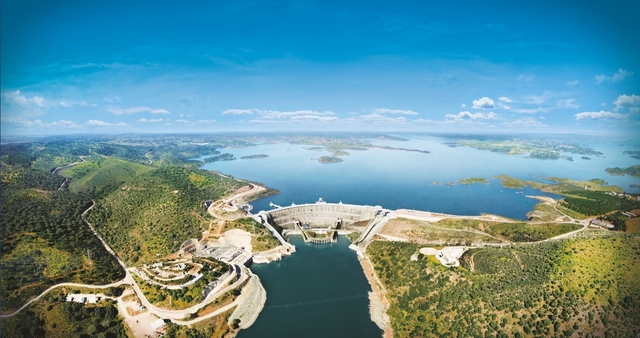

This is the largest artificial lake in Europe in the Alentejo Portugal
The Alqueva Dam is a dam in Portuguese arch, located in the Guadiana river, in the Alentejo region. Alqueva is the largest ... -
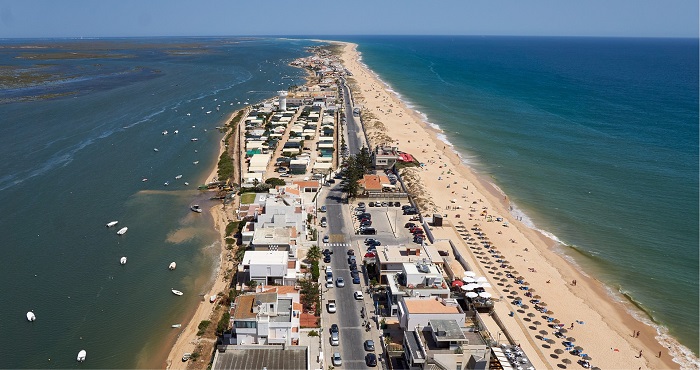
Faro Island Beach the best beach in the region and Tourists have not yet discovered
Faro Beach is the best beach in the Faro region and is easily accessible from the city via the regular bus service that also connects you to the airpo... -
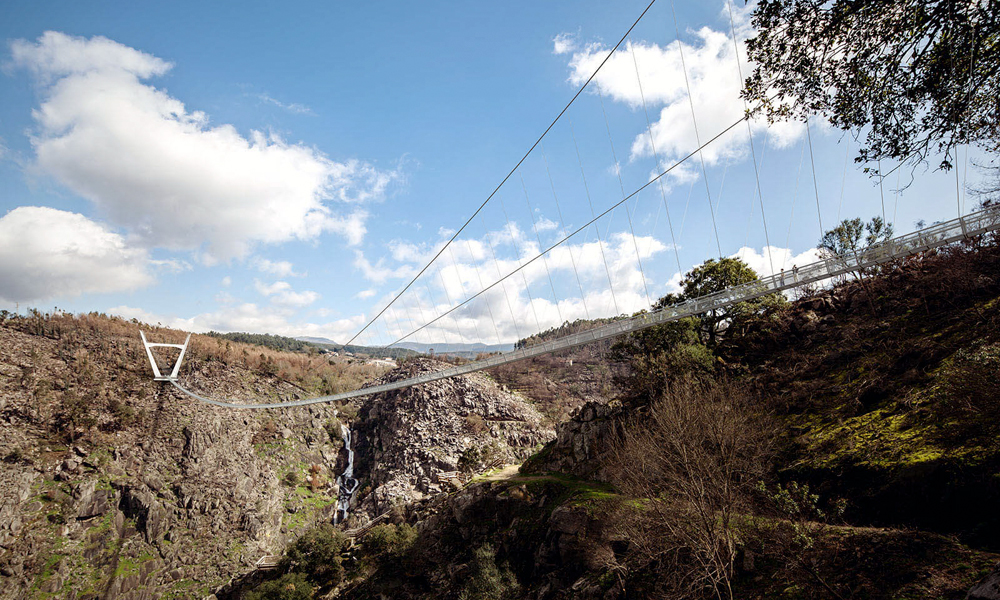
Portugal will have the largest suspension pedestrian bridge in the world we already have images
It is in the municipality of Arouca that is being born the "largest suspension pedestrian bridge in the world" and the construct... -
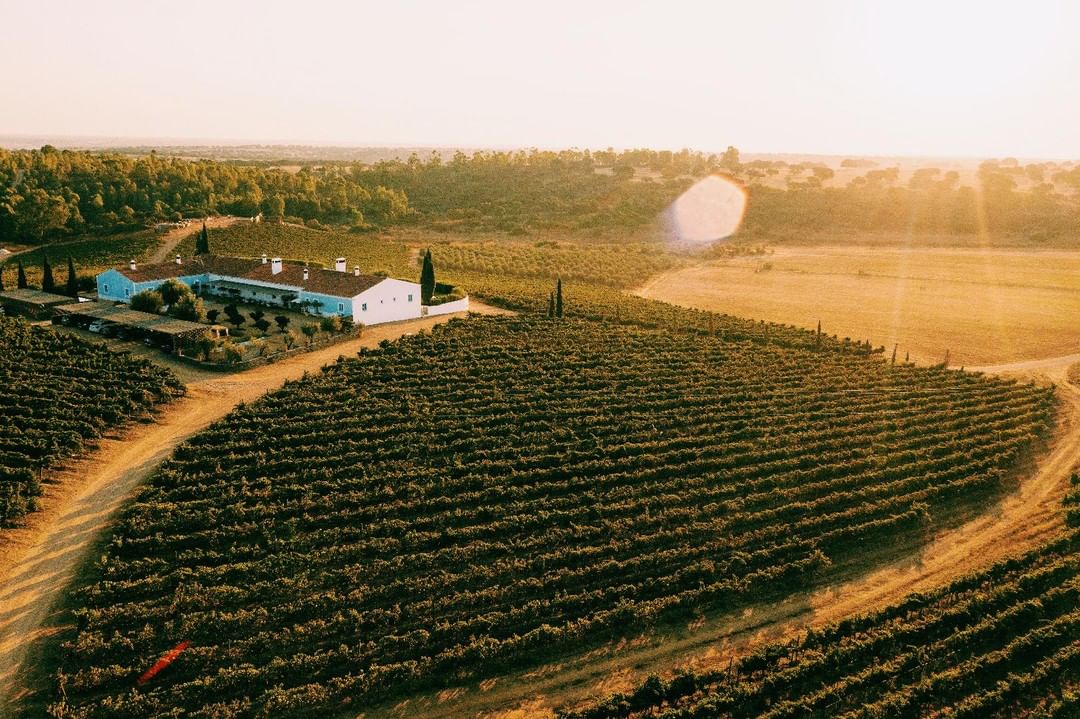
This is one of the must-see spots in rural Europe, according to The Guardian
From March, the Alentejo region of southern Portugal becomes a multicolored image: with yellow clover, wild red poppies, white daisies and purple lili... -
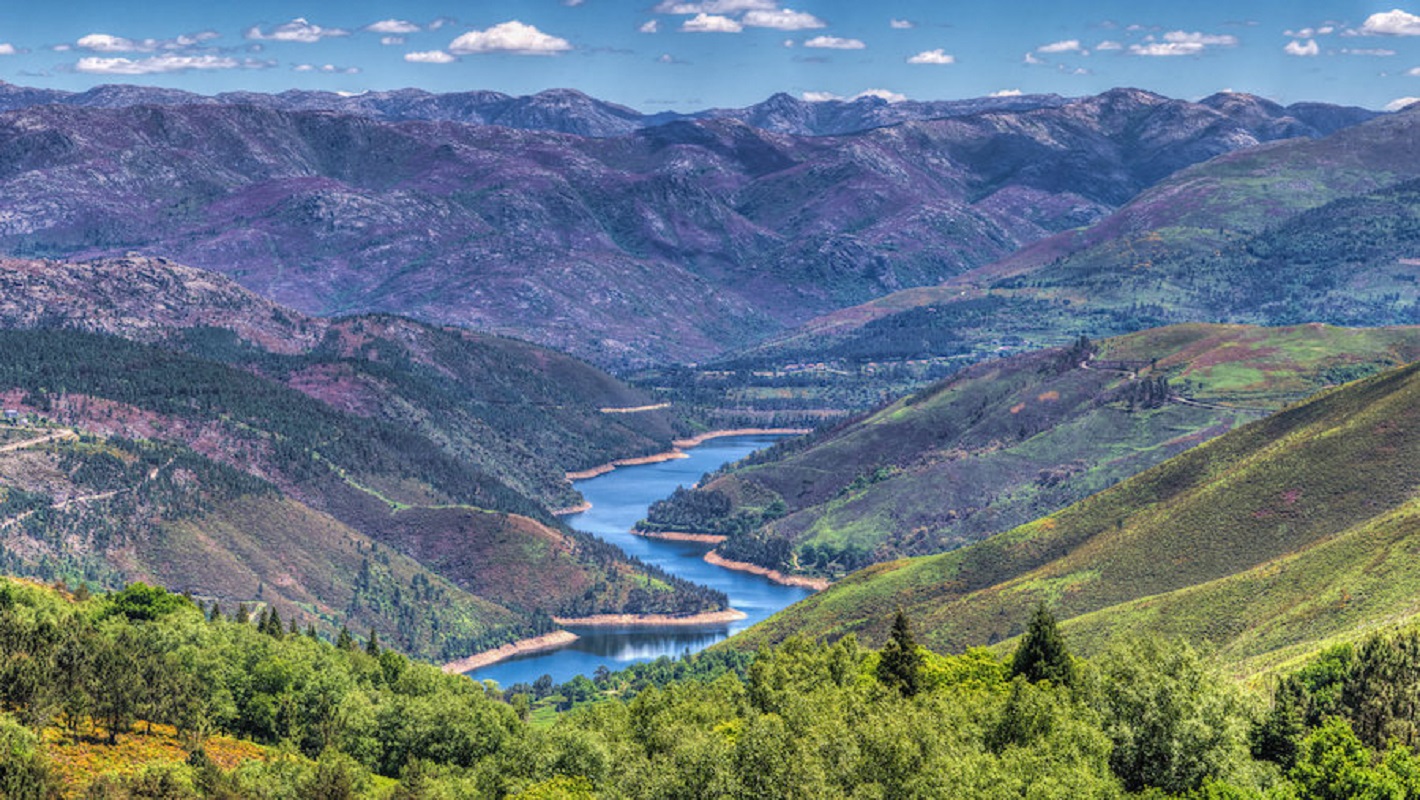
The 10 Most Beautiful Natural Parks in Portugal
In fact, the country is bathed in natural beauty and there are a plethora of unbelievable panoramas and views just waiting to be discovered. With... -
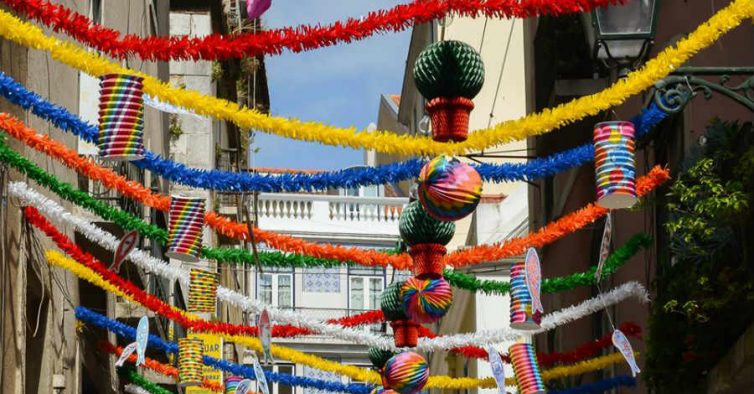
The 15 best events popolar in Lisbon (Know them here)
The grills are already on the street, the crowds mobile homes are on their way and there are stages in practically ev... -
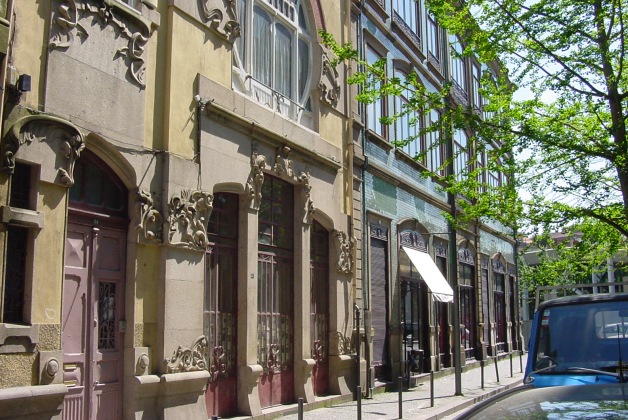
Visit the Paris Gallery Street in Porto Portugal
Opened in 1903, on the block formerly occupied by the Carmelite Convent, the buildings that flank the Rue de la Galeria de Paris are elegant and of go... -
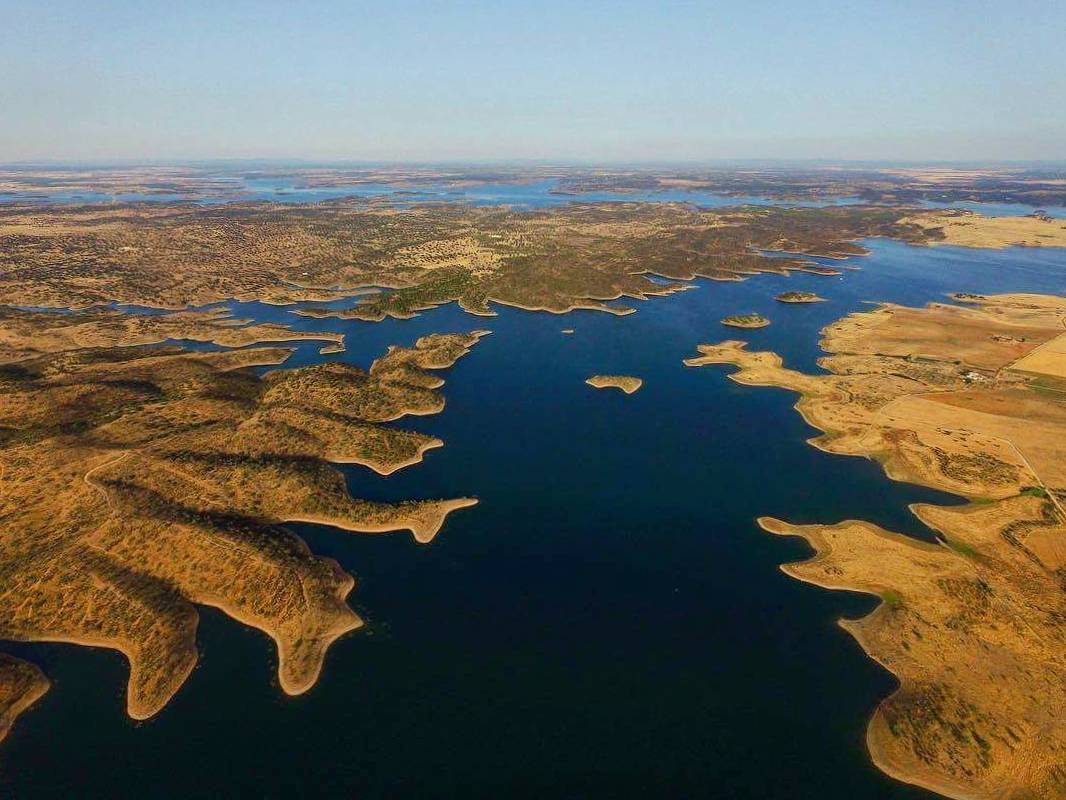
Portugals largest artificial lake in Portugal
It has a 250 square kilometer reservoir, covers five Alentejo municipalities, has many points of interest and stands out all over Europe. Discove...