
Archaeological Museum of Sanfins Citania Paços de Ferreira Portugal
The Archaeological Museum of Citânia is located in Sanfins de Ferreira, near Citânia, in a baroque building known as Casa da Igreja or Solar dos Brandões, which, with the old church and parish residence, constitute an architectural ensemble of local historical interest.
The solar has a very original organization and very marked by the site. The house was made, as inscribed by the inscription, in 1722, and later noble with stone of arms, granted in 1775. From this time, it is the noble portal that closes the courtyard of the house, in the Rococo style, where the large Guns stone.
The old church of Sanfins coexists and marked the former building.
In good granitic apparatus, it was remodeled in 1865, but conserves spaces and remains of the 16th century building, where the 16th century frescoes stand out. In its chancel are still dogs that belonged to an earlier phase of construction, medieval.
The museum was founded on October 18, 1947, occupying a room provided by the owners of the manor, was solemnly opened on January 14, 1984, after the acquisition of the City Hall of Paços de Ferreira.
Designed as a center for the study, conservation, exhibition and enhancement of Citânia de Sanfins and the councils archaeological heritage, this museum is today recognized as a dynamic institution with specialized research, pedagogical support, scientific dissemination and cultural intervention activities, which have been affirmed. of prime importance for the knowledge of our common past.
With the redesign of the Museum in 1995, financially supported by community programs, the exhibition area occupies the main building of Solar dos Brandões. The reserve and the research and administration unit are housed in the former parish residence, and the Old Church serves as an auditorium and temporary exhibition space. In the annexes is located the guards house, accommodation and other support services.
The permanent exhibition shows the collection of the Citânia de Sanfins excavations and the archaeological materials collected in the area of Paços de Ferreira, documenting numerous traces of the communities established in the region since the Neolithic.
The solar has a very original organization and very marked by the site. The house was made, as inscribed by the inscription, in 1722, and later noble with stone of arms, granted in 1775. From this time, it is the noble portal that closes the courtyard of the house, in the Rococo style, where the large Guns stone.
The old church of Sanfins coexists and marked the former building.
In good granitic apparatus, it was remodeled in 1865, but conserves spaces and remains of the 16th century building, where the 16th century frescoes stand out. In its chancel are still dogs that belonged to an earlier phase of construction, medieval.
The museum was founded on October 18, 1947, occupying a room provided by the owners of the manor, was solemnly opened on January 14, 1984, after the acquisition of the City Hall of Paços de Ferreira.
Designed as a center for the study, conservation, exhibition and enhancement of Citânia de Sanfins and the councils archaeological heritage, this museum is today recognized as a dynamic institution with specialized research, pedagogical support, scientific dissemination and cultural intervention activities, which have been affirmed. of prime importance for the knowledge of our common past.
With the redesign of the Museum in 1995, financially supported by community programs, the exhibition area occupies the main building of Solar dos Brandões. The reserve and the research and administration unit are housed in the former parish residence, and the Old Church serves as an auditorium and temporary exhibition space. In the annexes is located the guards house, accommodation and other support services.
The permanent exhibition shows the collection of the Citânia de Sanfins excavations and the archaeological materials collected in the area of Paços de Ferreira, documenting numerous traces of the communities established in the region since the Neolithic.

Outros Artigos Populares no Blogue
-


Rota Vicentina is voted one of the best trails in Europe
One of the most famous trails in the world is the Rota Vicentina, which has been recognized by Leading Quality Trails - Best of Europe certification, ... -
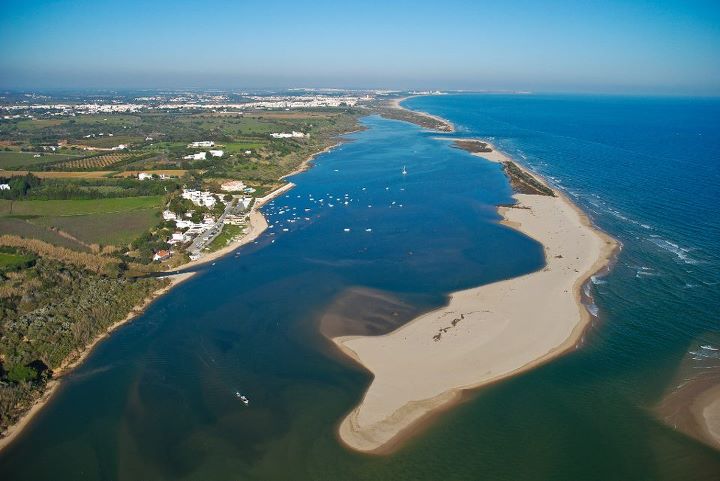
Beach in Cacela Velha is one of the 15 best in the world Portugal Algarve
Praia da Fábrica, also known as Cacela Velha Beach, was considered one of the best in the world by the Spanish edition of Condé Nas... -
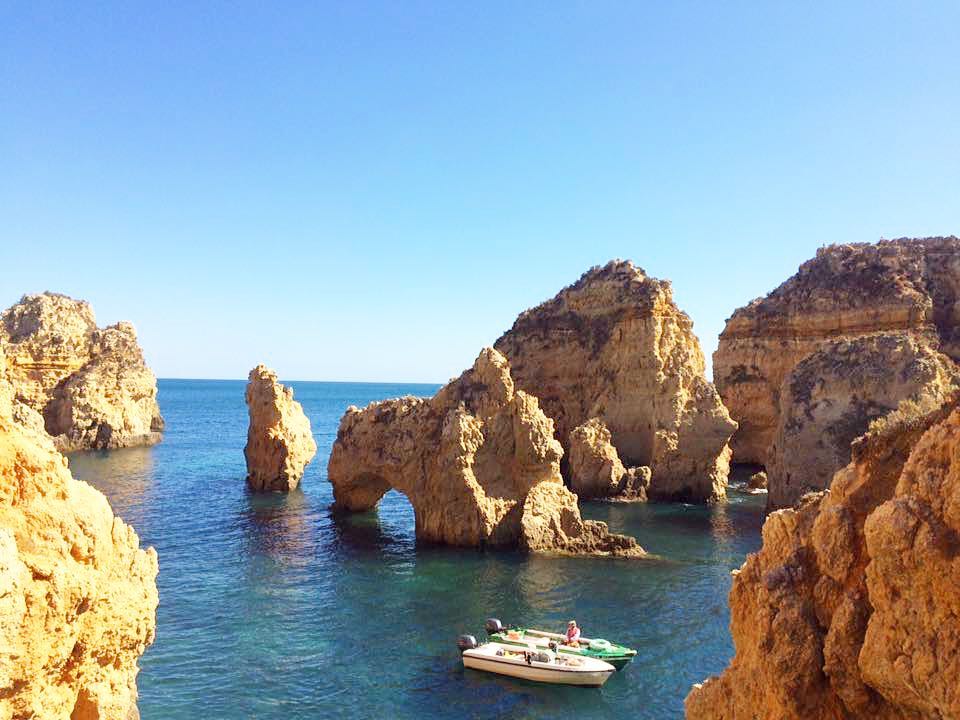
The 9 Most Beautiful Places in the Algarve
Looking for tips on things to do in the Algarve? Below are 9 amazing places to visit in the Algarve to admire the coast. 1. Ponta da Pie... -
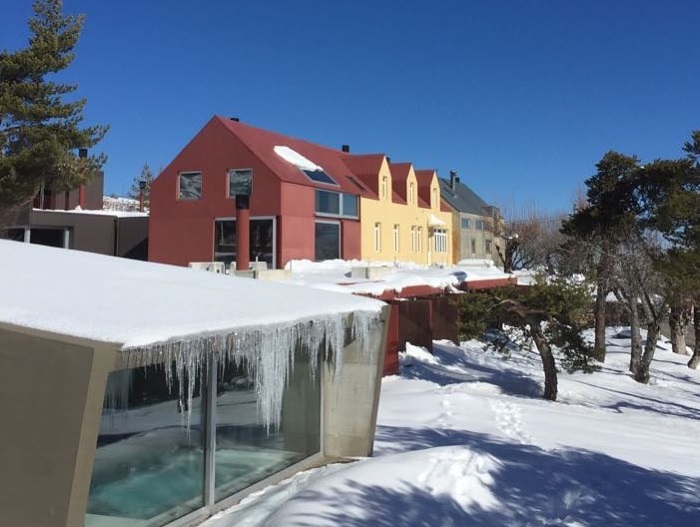
9 environmentally friendly hotels to discover in Portugal
1. Quinta da Bouça dArques - Village of Punhe, Viana do Castelo In the north of Portugal you will find a wonderful farm where sustaina... -
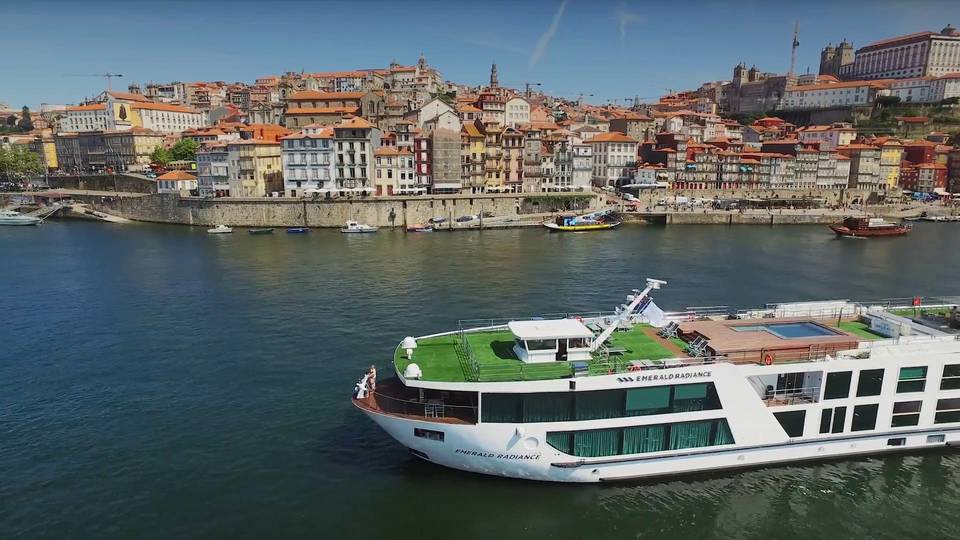
Panoramic Douro Cruise is a must-see luxury trip Portugal
Is there anything as fascinating as preparations for a long trip? There is a buzz of activity on the wharf as supplies are loaded, luggage is car... -
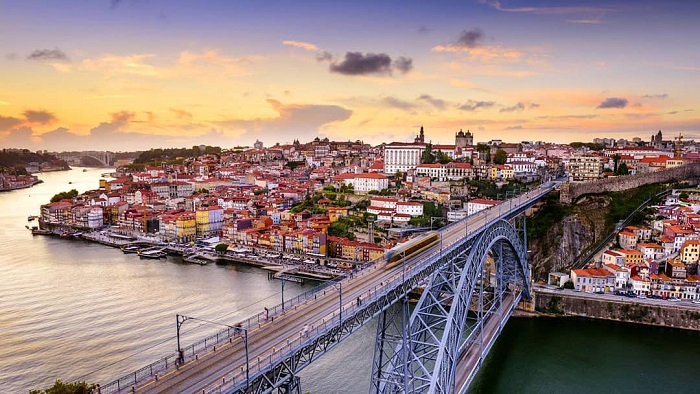
friendliest countries in the world Portugal on the list
A new report, published earlier this month by the World Economic Forum, ranked which countries throw the welcome mat to travelers and which are resp... -
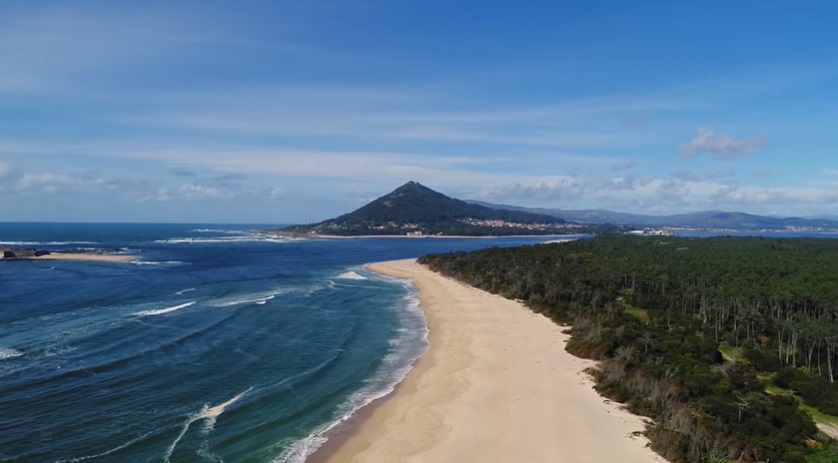
Moledo Beach Portugal hides magnificent places!
Considered by many to be the most beautiful beach in the north. Its beauty is undeniable and peculiar, the surrounding dune landscape, protected ... -
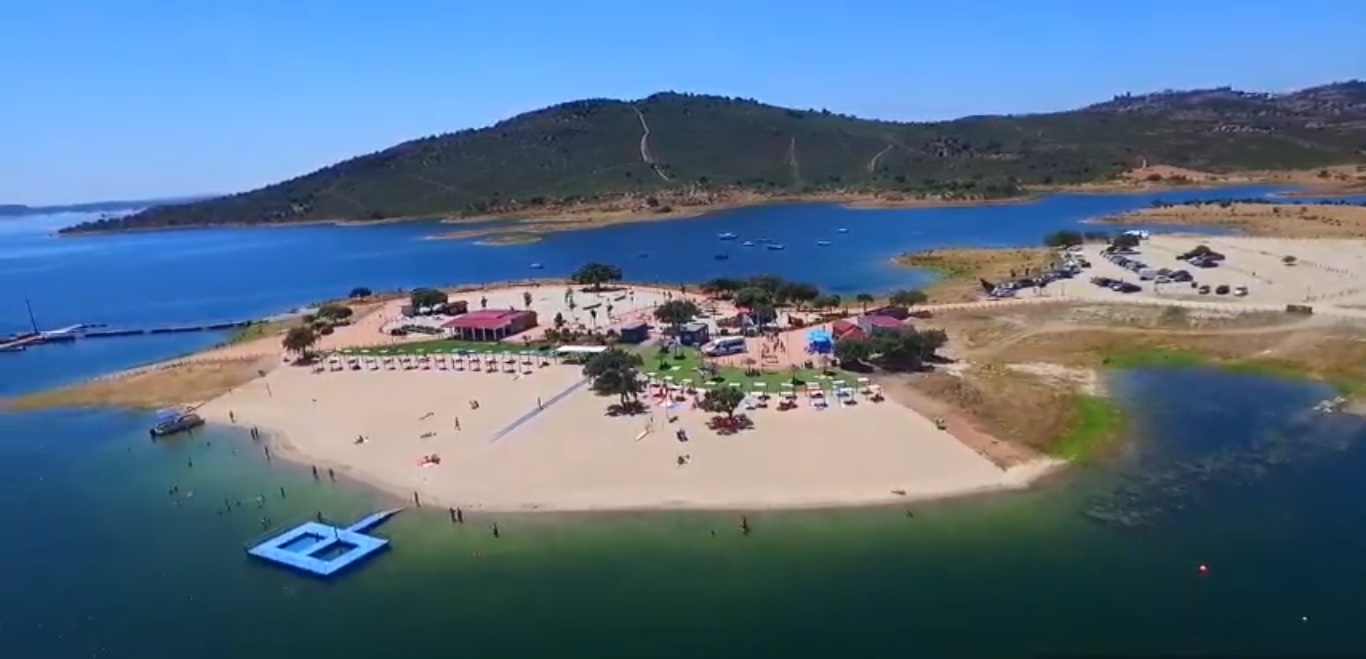
Monsaraz Alqueva beach paradise in the Alentejo Portugal
It features a floating pool for children and adults, a poolside bar and restaurant. It also has a shady grassy area for warmer days and parking. ...