
Alberto Sampaio Guimarães Museum
The Alberto Sampaio Museum is a Portuguese museum, dependent on the Institute of Museums and Conservation. It is installed in the buildings adjacent to the Church of Nossa Senhora da Oliveira, forming the former Collegiate Guimarães, classified as a National Monument since 1910 and World Heritage since 2001. It is located in the former parish of Oliveira do Castelo, currently inserted in the Union of the Parishes of Oliveira, São Paio and São Sebastião, in the city and municipality of Guimarães, Braga district.
The Alberto Sampaio Museum was created in 1928 to house the collections of the extinct Collegiate Church of Nossa Senhora da Oliveira and other churches and convents of the Guimarães region, then owned by the state.
It is located in the heart of the historic center, in the exact place where, in the tenth century, Countess Mumadona installed a monastery, around which the Vimaranense settlement was born. The spaces it occupies belonged to the Collegiate Church, and have historical and artistic value: the cloister and the surrounding medieval rooms, the former Priory House and the Cabido House.
It presents important collections of sculpture (architectural, large and tumulary), covering the medieval and Renaissance periods and extending to the eighteenth century. The collection of goldsmiths is one of the best in the country: the Romanesque chalice of D. Sancho I, the image of Santa Maria de Guimarães (13th century), the processional crosses, and the magnificent Gothic silver altarpiece of the Nativity stand out. , from the late 14th century.
Also noteworthy is the loudel that D. João I wore at the battle of Aljubarrota; the fresco of the 16th century featuring the Degolation of St. John the Baptist; the painting collection from the 16th to the 18th centuries; the mannerist and baroque carving; embroidered vestments; the tiles and earthenware.
The Alberto Sampaio Museum was created in 1928 to house the collections of the extinct Collegiate Church of Nossa Senhora da Oliveira and other churches and convents of the Guimarães region, then owned by the state.
It is located in the heart of the historic center, in the exact place where, in the tenth century, Countess Mumadona installed a monastery, around which the Vimaranense settlement was born. The spaces it occupies belonged to the Collegiate Church, and have historical and artistic value: the cloister and the surrounding medieval rooms, the former Priory House and the Cabido House.
It presents important collections of sculpture (architectural, large and tumulary), covering the medieval and Renaissance periods and extending to the eighteenth century. The collection of goldsmiths is one of the best in the country: the Romanesque chalice of D. Sancho I, the image of Santa Maria de Guimarães (13th century), the processional crosses, and the magnificent Gothic silver altarpiece of the Nativity stand out. , from the late 14th century.
Also noteworthy is the loudel that D. João I wore at the battle of Aljubarrota; the fresco of the 16th century featuring the Degolation of St. John the Baptist; the painting collection from the 16th to the 18th centuries; the mannerist and baroque carving; embroidered vestments; the tiles and earthenware.

Outros Artigos Populares no Blogue
-
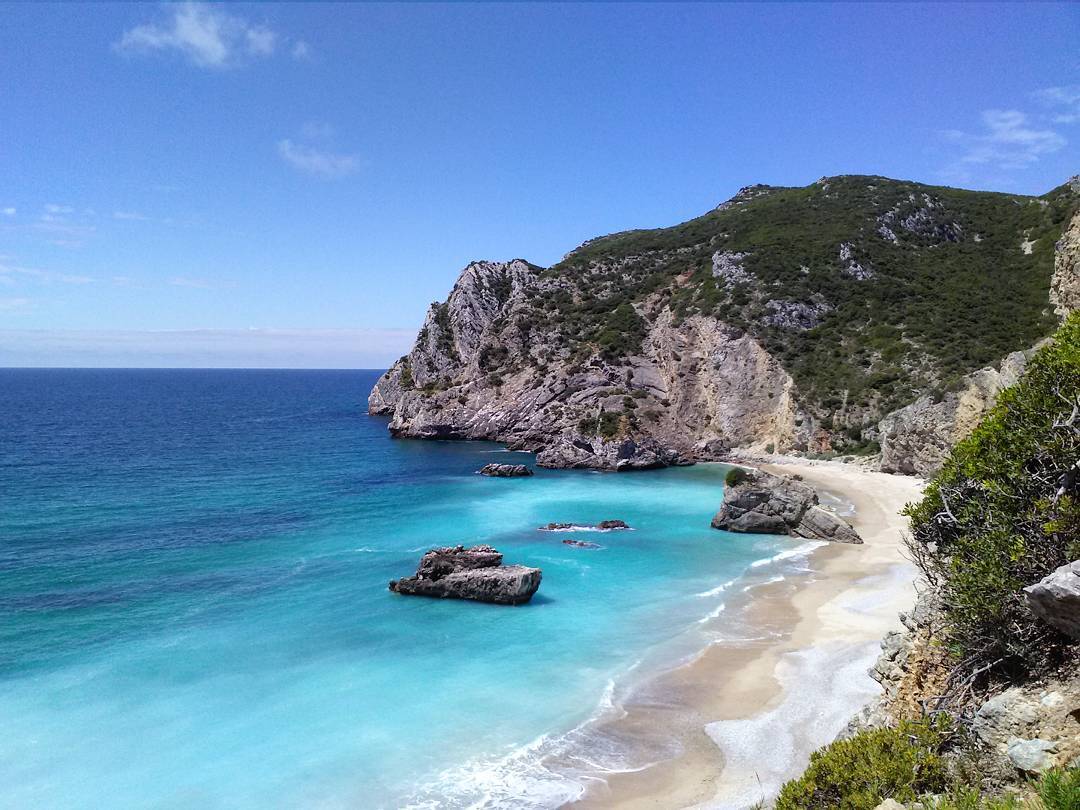

This paradise in Sesimbra Ribeira do Cavalo beach is one of Portugals best kept secrets
Ribeira do Cavalo Beach is a wild beach located very close to the village of Sesimbra in the west. Unsupervised beach with no support conditions ... -
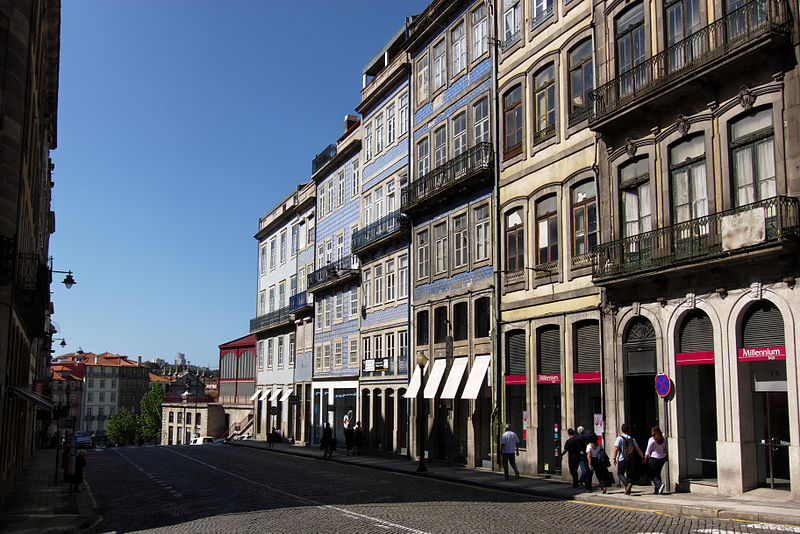
Rua da Mouzinho da Silveira visits the old city of Porto streets
One of the most important, long and wide of the old city of Porto streets near the river port is known as Rua da Mouzinho da Silveira. This stree... -
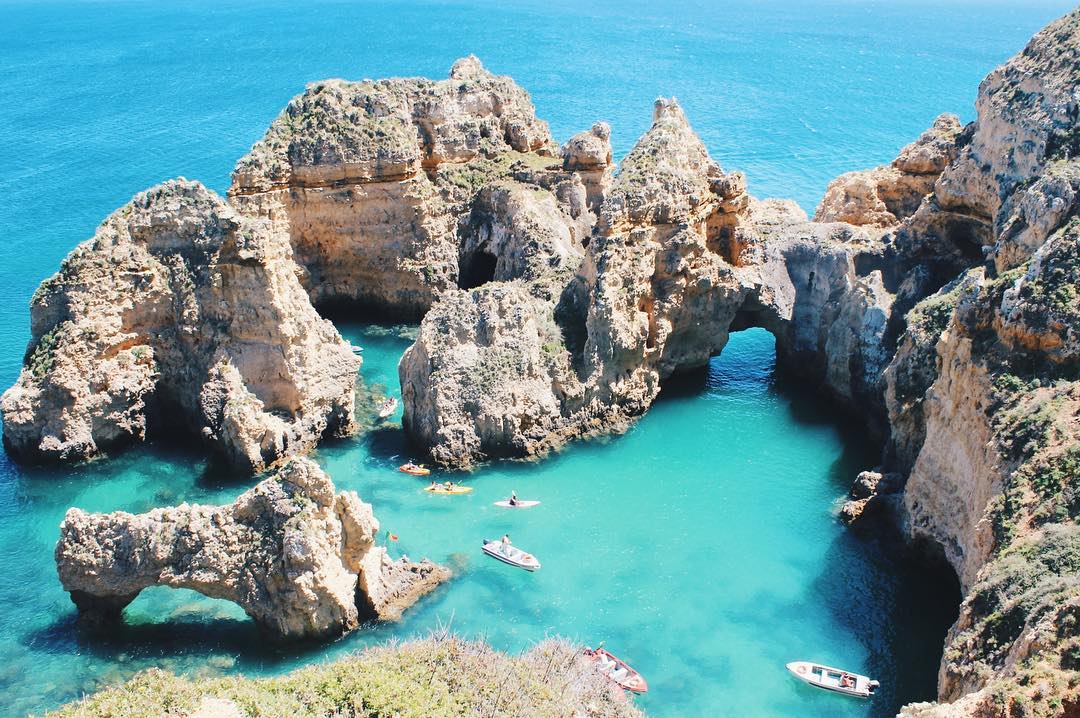
The 30 Most Stunning Beaches in Europe 3 are Portuguese
A hidden gem along the Albanian Riviera, until a famous celebrity site in France and the best beaches of the Greek islands, check below&nbs... -

Schist Villages 27 treasures to discover in Central Portugal
The only village with a tree maternity can surprise the visitor who walks its streets The village is of simple urban mesh, corresponding to an access... -

Forbes Considers the Azores as the Coolest Destination to Visit
Forbes magazine chose the 10 coolest countries to visit in 2019 and Portugal took the top spot - represented no less than by the Azores Archipelago. ... -

Rua dos Mercadores located in the neighborhood of Ribeira is a street to visit Porto Portugal
In this street, located in the Ribeira district is a very typical, narrow downhill street, since medieval times, this street was of vital importance a... -

The 10 Most Beautiful Natural Parks in Portugal
In fact, the country is bathed in natural beauty and there are a plethora of unbelievable panoramas and views just waiting to be discovered. With... -
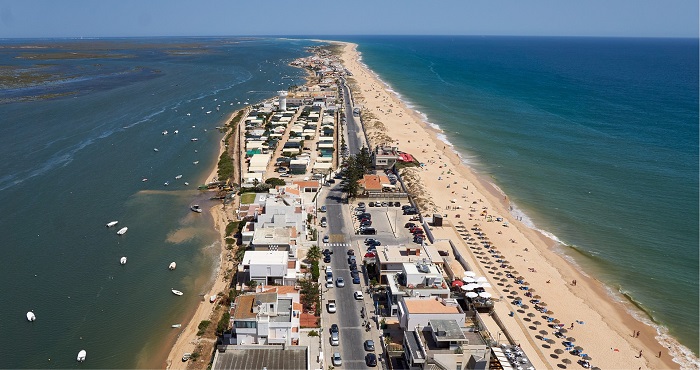
Faro Island Beach the best beach in the region and Tourists have not yet discovered
Faro Beach is the best beach in the Faro region and is easily accessible from the city via the regular bus service that also connects you to the airpo...