
Ajuda National Palace Museum Must-see place in Lisbon Portugal
The Ajuda National Palace Museum occupies the east and south wings of the Ajuda National Palace.
The construction of the present building of the Ajuda Palace began in 1802 with the introduction of neo-classical aesthetics, and the new designs of architects Francisco Xavier Fabri and José da Costa e Silva. The Ajuda National Palace was inhabited discontinuously until D. Luís I settled there permanently. It is due to his wife, D. Maria Pia de Savoy, the aesthetic requalification of the entire Palace. Joaquim Possidónio Narciso da Silva was hired, who designed new exotic and more functional spaces. After the establishment of the Republic, the Palace was closed. And partially turned into a museum in 1968.
The decorative arts collections dating from the 15th to the 20th centuries come from the former collection of the Royal Palace of Ajuda. The existing decorative and utilitarian objects recreate nineteenth-century environments throughout the Museums 32 rooms.
While we can contemplate on the ground floor the spaces where the daily life of the royal family unfolded through a visit to several rooms such as the music room, the Blue room, the winter garden, the King Luiss room, the Rosa room. as well as the Queens bed room, toilette, Queens Dining Room and Queen D. Maria Pias private chapel, opened to the public in April 2014 following a major restoration campaign.
On the other hand, in the Noble Floor, it is possible to contemplate the spaces that were used for the official ceremonies in the last days of the House of Bragança and, entering the Chinese room, it is possible to visit the spaces that the 19th century nobility used to reach the Kings in the throne room. This leads to the Old Billiards Room, from here to the Queens Portrait Room, where the 33-year-old Queen D. Maria Pia is painted by Carolus Duran. Next we have a little green room, the ladies room of the diplomatic corps and the room of the diplomatic corps. Passing the Antechamber, we arrive at the majestic throne room that is perpendicular to the D. João VI room (former ballroom), the D. João IV room and the archers room. Also noteworthy is the large dining room which features a painting on the ceiling, dating from 1825-1826 by José da Cunha Taborda, allegorical to the birth of D. João VI. This room also features furniture of 180 chairs, commissioned in 1903 on the occasion of the coming of Eduardo VII to Portugal. Still on the noble floor it is possible to enjoy the last room of King d. Luís, the library as well as his painting studio in pure neo-gothic style.
The multiple rooms try to follow the historical reconstruction according to the last years of King D. Luis and Queen D. Maria pias life and for that the iconography is resorted to. namely the watercolors of Enrique Casanova, made between 1889-1892 and acquired in 1989 by the then director.
The Museum of the National Palace of Ajuda, between 1940 and until 1968 had a period of restricted visits and opened its doors on 20 August 1968.
The construction of the present building of the Ajuda Palace began in 1802 with the introduction of neo-classical aesthetics, and the new designs of architects Francisco Xavier Fabri and José da Costa e Silva. The Ajuda National Palace was inhabited discontinuously until D. Luís I settled there permanently. It is due to his wife, D. Maria Pia de Savoy, the aesthetic requalification of the entire Palace. Joaquim Possidónio Narciso da Silva was hired, who designed new exotic and more functional spaces. After the establishment of the Republic, the Palace was closed. And partially turned into a museum in 1968.
While we can contemplate on the ground floor the spaces where the daily life of the royal family unfolded through a visit to several rooms such as the music room, the Blue room, the winter garden, the King Luiss room, the Rosa room. as well as the Queens bed room, toilette, Queens Dining Room and Queen D. Maria Pias private chapel, opened to the public in April 2014 following a major restoration campaign.
On the other hand, in the Noble Floor, it is possible to contemplate the spaces that were used for the official ceremonies in the last days of the House of Bragança and, entering the Chinese room, it is possible to visit the spaces that the 19th century nobility used to reach the Kings in the throne room. This leads to the Old Billiards Room, from here to the Queens Portrait Room, where the 33-year-old Queen D. Maria Pia is painted by Carolus Duran. Next we have a little green room, the ladies room of the diplomatic corps and the room of the diplomatic corps. Passing the Antechamber, we arrive at the majestic throne room that is perpendicular to the D. João VI room (former ballroom), the D. João IV room and the archers room. Also noteworthy is the large dining room which features a painting on the ceiling, dating from 1825-1826 by José da Cunha Taborda, allegorical to the birth of D. João VI. This room also features furniture of 180 chairs, commissioned in 1903 on the occasion of the coming of Eduardo VII to Portugal. Still on the noble floor it is possible to enjoy the last room of King d. Luís, the library as well as his painting studio in pure neo-gothic style.
The multiple rooms try to follow the historical reconstruction according to the last years of King D. Luis and Queen D. Maria pias life and for that the iconography is resorted to. namely the watercolors of Enrique Casanova, made between 1889-1892 and acquired in 1989 by the then director.
Ajuda National Palace, former royal palace and national monument, is today a magnificent museum and the only visitable palace in Lisbon that still reliably preserves the layout and decoration of the rooms to the taste of the 19th century. XIX, namely the monarchs quarters and the throne room. Perched high on the hill of Ajuda, with breathtaking views of the Tagus River, the Palace features important collections of decorative arts from the 18th and 19th centuries: jewelery, tapestry, furniture, glass and ceramics, as well as collections of painting, engraving, sculpture and photography.
Neoclassical building of the first half of the nineteenth century, was official residence of the Portuguese royal family and continuously from the reign of King Louis I (1861-1889) to the end of the Monarchy in 1910.After 1862, with Queen D Maria Pia of Savoy (1847-1911), the palace gains a renewed life. The layout and decoration of the rooms, which still remains today, by the architect Joaquim Possidónio da Silva (1806-1896), accompanied the new standards of comfort and hygiene characteristic of the second half of eight hundred. In this palace were born the princes D. Carlos

Outros Artigos Populares no Blogue
-
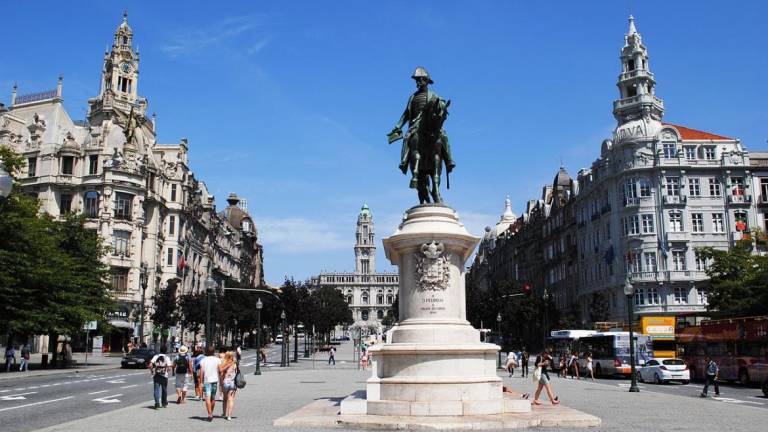

The main avenue of Avenida dos Aliados Porto Portugal
One of the main avenues One of Portos main avenues (I would say the most important) is that of the Allies. It starts at Rua Formosa (where you... -
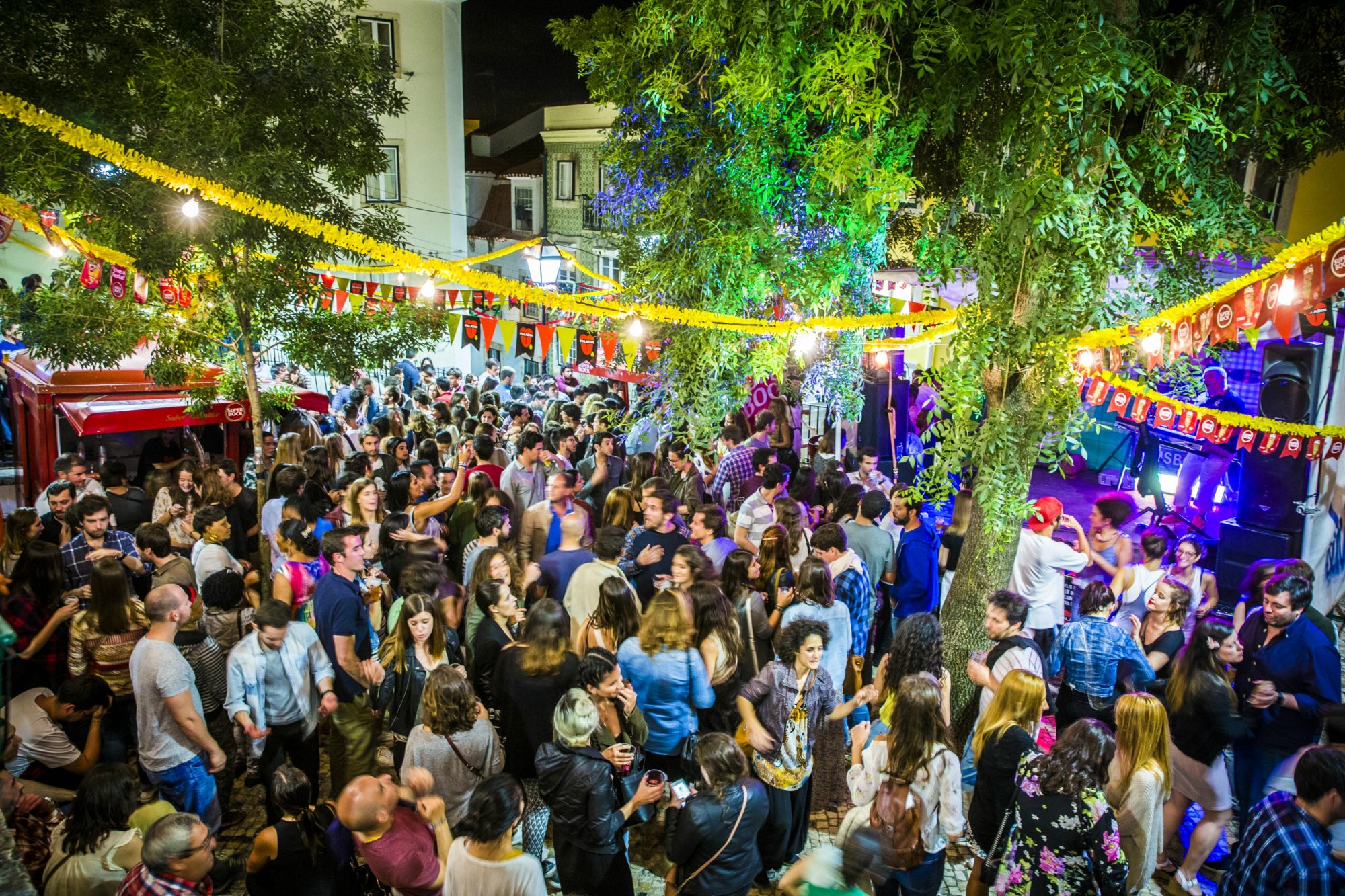
The Holidays of Lisbon begin! This year there are hundreds of free suggestions
The holidays are there and there are initiatives for all tastes. Is it too much? And what do you like? EGEAC, responsible for part of t... -

10 most beautiful places in Portugal
The Piódão Village is considered one of the most beautiful in the country, classified as “Historical Village of Portuga... -
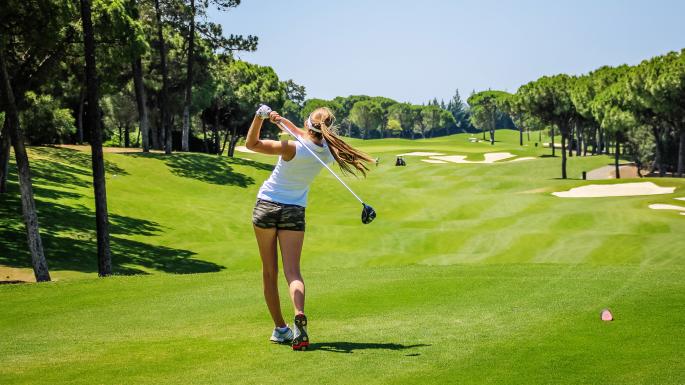
The 9 Best Golf Courses in Portugal
Gradually, Portugal is entering its name on the international golf routes. Possessing some of the most splendid courses not only in Europe, but a... -
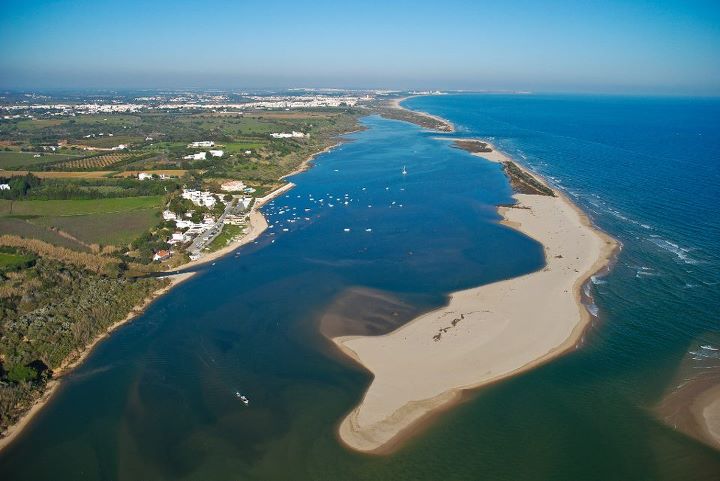
Cacela Velha Beach of the Algarve best kept secrets Portugal
The beach Cacela or beach Cacela Velha , also called factory Beach is a beach that is loca... -

Visit the best Beach Ribeira do Cavalo Portugal
Ribeira do Cavalo Beach is a wild beach located very close to the village of Sesimbra in the west. Unsupervised beach with no support condition... -
8 secret villages in Portugal that you really have to visit
Aldeias em Portugal para visitar Óbidos Terá sido tomada aos Mouros em 1148, e recebido a primeira carta de foral em 1195,... -
Roud trip 740km the largert rord of Portugal
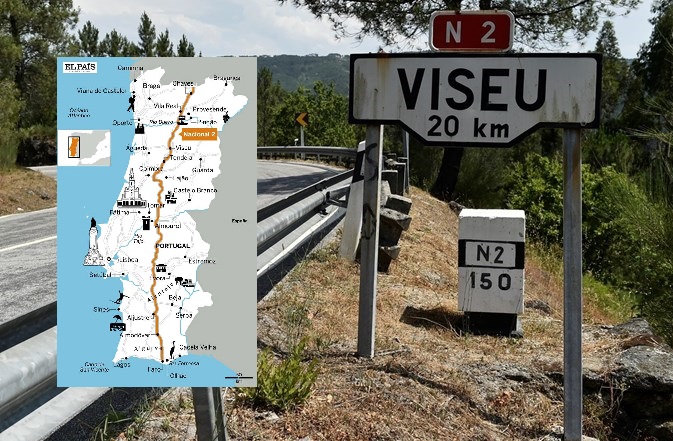
In Portugal, National Road 2 is the longest. There are 738.5 kilometers of tar that connect the city of Chaves to Faro, a route that leads from n...