
The 9 Best Neighborhoods to Visit in Lisbon
Baixa Lisbons business district, Baixa, contains a lot of Pombaline style architecture. (The term refers to the prime minister who rebuilt Lisbon after the earthquake). Many of the major Portuguese banks are headquartered here. Running south, the main street of Baixa separates Rossios Commerce Square. A triumphal arch leads from the square to Augusta Street, flanked by many clothing stores. The two most important streets of Baixa are Rua da Prata and Rua Áurea, formerly called Rua do Ouro. Goldsmiths and goldsmiths are located on these streets.
Chiado If you drive west of downtown, you will enter this shopping district. From its perch on a hill, it is crossed by Rua Garrett, named for the noted romantic writer João Batista de Almeida Garrett (1799-1854). Many of the best shops in town, such as Vista Alegre, a porcelain and porcelain house, are here. One coffee in particular, A Brasileira, has been a traditional meeting place for Portuguese scholars.
Bairro Alto Continuing the climb, you will reach Bairro Alto. This sector, reached by tram, occupies one of the seven legendary hills of Lisbon. Many of its buildings were left relatively intact by the 1755 earthquake. Containing much of Alfamas charm and color, it is the location of some of the best fado clubs (meaning "destination" and describing a type of music) in Lisbon as well. like great restaurants and bars. There are also antique shops. Regrettably, many of the side streets at night are populated by drug dealers and addicts, so be warned accordingly.
Alfama This east of Praça do Comércio is the oldest neighborhood, Alfama. Barring only part of the devastation of the 1755 earthquake, Alfama was the Moorish part of the capital. Today is the house in some parts for longshoremen, fishermen and varinas ( fishwives ). Overlooking the Alfama is St. George s Castle, or St. Georges Castle, a Visigothic fortification that was later used by the Romans. On the way to Alfama, on Rua dos Bacalhoeiros, is another landmark, Casa dos Bicos, a house from the early 19th century. XVI whose facade is covered with diamond-shaped stones. Be careful of thieves in parts of Alfama at night.
Belém In the west, on the coastal road to Estoril, lies the suburb of Belém. It contains some of Portugals finest monuments, several built during the Age of Discovery, near the point where the caravels set out to conquer new worlds. (In Belem, the Tagus reaches the sea.) Formerly, before the earthquake, Belem was an aristocratic sector filled with elegant town houses.
Two of the countrys top attractions are here: the Jeronimos Monastery, a 16th-century Manueline structure, and the National Coach Museum , the National Coach Museum , the best of its kind in the world. Belém is the land of Lisbons museums - it also contains the Museum of Popular Art and the Museum of the Navy.
Cacilhas On the south side of the Tagus, where the puce-colored smoke rises from the piles of factories, is the settlement on the left bank of Cacilhas. Mainly inhabited by the working class, it is often visited by right bank residents who come here for seafood restaurants. You can reach the settlement via a bridge or a ferry from Praça do Comércio.
The most dramatic way to cross the Tagus is on the 25 de Abril Bridge. Completed in 1966, the bridge helped open Portugal south of the Tagus. The bridge is 2.2 km long and its towers are 190 meters high. The longest suspension bridge in Europe (extending 16 km / 10 miles), the Vasco da Gama Bridge, also crosses the Tagus here. It is made areas of the north of the country and the south of the Algarve, to the east through the more accessible Alentejo plain to the south of Spain. Left Bank Guard is a monumental statue of Jesus with arms outstretched.
Chiado If you drive west of downtown, you will enter this shopping district. From its perch on a hill, it is crossed by Rua Garrett, named for the noted romantic writer João Batista de Almeida Garrett (1799-1854). Many of the best shops in town, such as Vista Alegre, a porcelain and porcelain house, are here. One coffee in particular, A Brasileira, has been a traditional meeting place for Portuguese scholars.
Alfama This east of Praça do Comércio is the oldest neighborhood, Alfama. Barring only part of the devastation of the 1755 earthquake, Alfama was the Moorish part of the capital. Today is the house in some parts for longshoremen, fishermen and varinas ( fishwives ). Overlooking the Alfama is St. George s Castle, or St. Georges Castle, a Visigothic fortification that was later used by the Romans. On the way to Alfama, on Rua dos Bacalhoeiros, is another landmark, Casa dos Bicos, a house from the early 19th century. XVI whose facade is covered with diamond-shaped stones. Be careful of thieves in parts of Alfama at night.
Belém In the west, on the coastal road to Estoril, lies the suburb of Belém. It contains some of Portugals finest monuments, several built during the Age of Discovery, near the point where the caravels set out to conquer new worlds. (In Belem, the Tagus reaches the sea.) Formerly, before the earthquake, Belem was an aristocratic sector filled with elegant town houses.
Two of the countrys top attractions are here: the Jeronimos Monastery, a 16th-century Manueline structure, and the National Coach Museum , the National Coach Museum , the best of its kind in the world. Belém is the land of Lisbons museums - it also contains the Museum of Popular Art and the Museum of the Navy.
The most dramatic way to cross the Tagus is on the 25 de Abril Bridge. Completed in 1966, the bridge helped open Portugal south of the Tagus. The bridge is 2.2 km long and its towers are 190 meters high. The longest suspension bridge in Europe (extending 16 km / 10 miles), the Vasco da Gama Bridge, also crosses the Tagus here. It is made areas of the north of the country and the south of the Algarve, to the east through the more accessible Alentejo plain to the south of Spain. Left Bank Guard is a monumental statue of Jesus with arms outstretched.

Outros Artigos Populares no Blogue
-
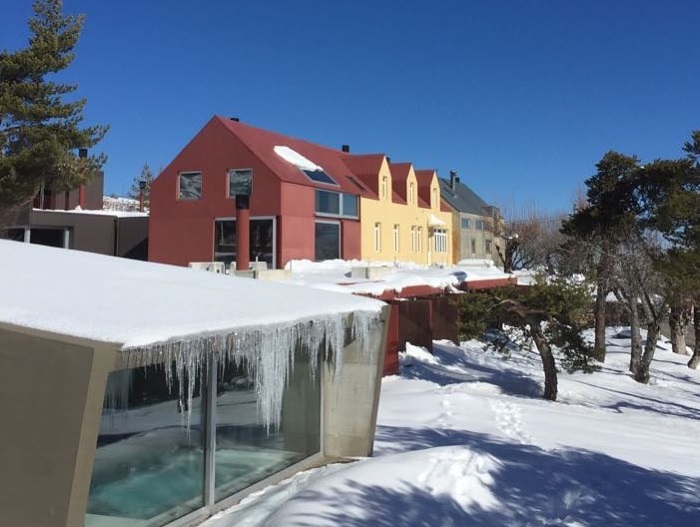

9 environmentally friendly hotels to discover in Portugal
1. Quinta da Bouça dArques - Village of Punhe, Viana do Castelo In the north of Portugal you will find a wonderful farm where sustaina... -
Travel Tips for Families in Portugal
The trick to planning an itinerary for your family is to choose attractions that entertain young people, but balance those with a few jumping museums ... -
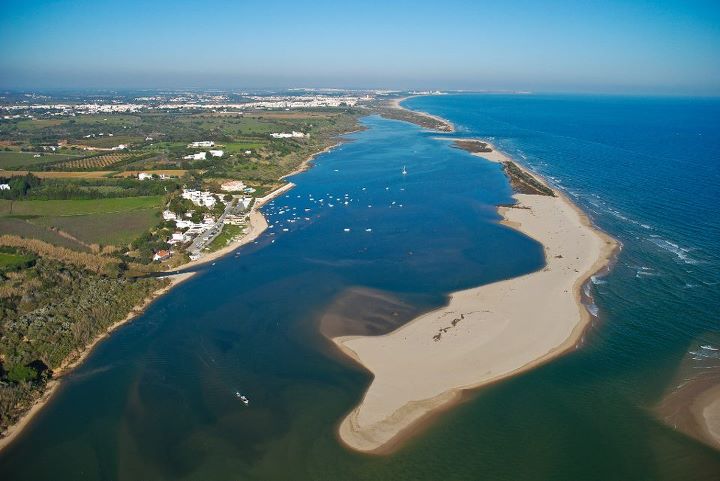
Cacela Velha Beach of the Algarve best kept secrets Portugal
The beach Cacela or beach Cacela Velha , also called factory Beach is a beach that is loca... -
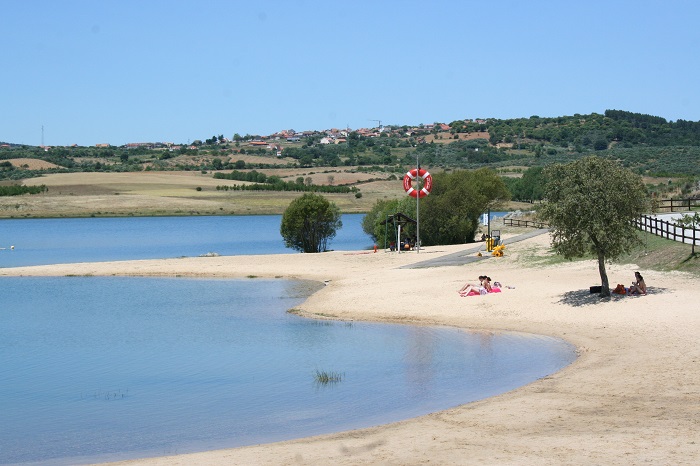
Fraga da Pegada Beach (Albufeira do Azibo) elected as Beach of the Year
Since 2004 it has been awarded the Blue Flag consecutively, which is a unique case among European river beaches. It is recognized as Accessible B... -
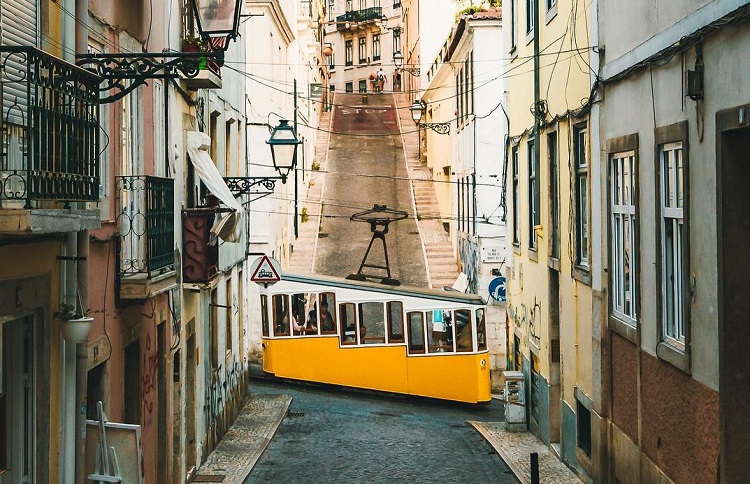
Top 7 Things to Do in Lisbon Portugal
Lending the absolute lyricism in the city, Lisbon can be defined as the European capital that always looks to distant and unknown worlds. From th... -
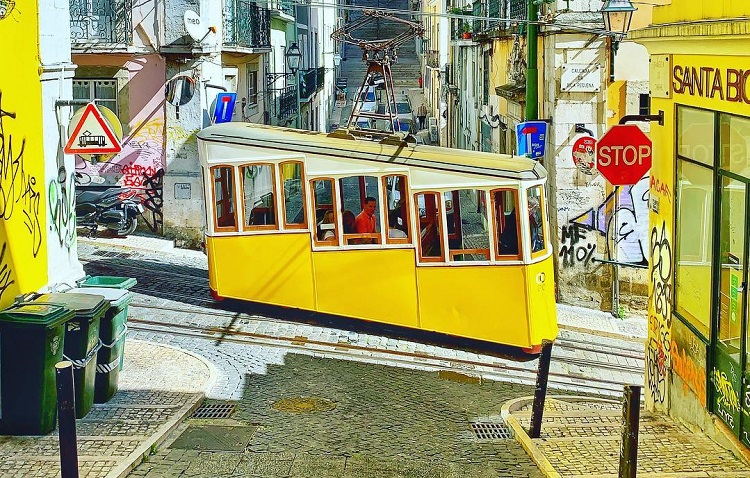
The most beautiful lift in the city Lisbon Portugal
One of the emblems of Lisbon is its electric cars, which have been in operation since the late 19th century. From this picturesque transport syst... -

Portuguese passport is 5th best in the world
Japan and Singapore have the best passport in the world. The Portuguese passport was in fifth Portugal was in fifth, along with Austria, the Neth... -
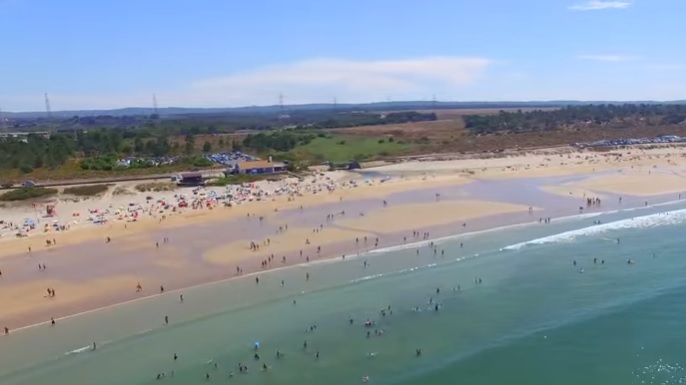
This is the hottest beach in Europe (Water at 30ºC and is in Alentejo)
São Torpes beach in Sines, Alentejo (160 km from Lisbon) has the warmest seawater in Portugal; Understand the phenomenon On the...