
Top 20 Tourist Attractions in Portugal
Visiting Portugal is discovering a remarkably diverse destination. Inextricably linked to the sea, the country boasts over 800 kilometers of seductive Atlantic Ocean coastline. Lisbon , the capital, enjoys a stunning location near the mouth of the Tagus River. From here, pioneer sailors sailed in the 15th and 16th centuries on epic voyages of discovery, and Portugal has since fed a proud maritime tradition.
Portugals interior blends the dramatic northern mountain ranges with the vast undulating plains of the countrys sun-drenched central regions. In the south, some of Europes finest beaches lie beside picturesque coves and warm, shallow waters. Dotted along stone-built villages, charming towns and cosmopolitan cities, where historic palaces and castles, museums and monasteries are waiting to be explored. And traveling to Portugal can also mean a visit to the green subtropical island of Madeira - the "Garden Isle" - or to the secluded but tranquil Azores archipelago.
Portugals interior blends the dramatic northern mountain ranges with the vast undulating plains of the countrys sun-drenched central regions. In the south, some of Europes finest beaches lie beside picturesque coves and warm, shallow waters. Dotted along stone-built villages, charming towns and cosmopolitan cities, where historic palaces and castles, museums and monasteries are waiting to be explored. And traveling to Portugal can also mean a visit to the green subtropical island of Madeira - the "Garden Isle" - or to the secluded but tranquil Azores archipelago.
1 Hieronymites Monastery, Lisbon
Belém is synonymous with the Golden Age of the Discoveries of Portugal . It is from the shores of this suburb of Lisbon that intrepid navigators sailed in the fifteenth and sixteenth centuries on long and perilous voyages to map unknown waters and map new territories. One of these sailors, Vasco da Gama, discovered the sea route to India in 1498 and to honor his achievement, King Manuel I commissioned a monument that became a lasting symbol of the countrys amazing era of conquest and expansion. Today, the Jeronimos Monastery is one of the most beloved and revered buildings in the country, and a must see on every tourists agenda.
The church and monastery embody the spirit of the time and present some of the finest examples of Manueline architecture found anywhere in Portugal; the beautifully adorned decoration found at Portal do Sul is breathtaking. Inside, the beautiful cloister is equally lush. Fittingly, the church houses the tomb of Vasco da Gama and other national figures, including Luís de Camões, Portugals greatest poet and chronicler of discoveries.
2 Lisbon Oceanarium, Lisbon
Arguably the most popular and familiar tourist attraction in Portugal, the Lisbon OceanariumIt is brilliantly designed to highlight the various oceanic habitats of the world. This is one of the best and largest oceanariums in Europe, containing a wide range of fish and marine animals. Four separate seas and landscapes recreate the ecosystems of the Atlantic, Pacific, Indian and Antarctic oceans. A huge central tank, visible from different levels, is littered with sharks, rays and many other wonders of the finned and deep-sea dwellers. The plexiglasss transparent design is such that smaller tropical species housed in separate aquariums around the main tank appear to be swimming with their larger cousins. Complementing this incredible spectacle are the outdoor landscapes where penguins, sea otters and other cute and cuddly birds and mammals coexist in carefree harmony.
5 Belem Tower, Lisbon
One of Portugals most beloved historical monuments and an icon of Lisbon, the Belém Tower is a symbol of the Age of Discovery and exploratory voyages undertaken in the 15th and 16th centuries.
6 Convent of Christ, Tomar
Dominating the charming riverside town of Tomar is an imposing castle that protects the Convent of Christ , one of Portugals main historical attractions. Founded in 1160 as the seat of the Knights Templar Order, the Convent of Christ is both inspiring and mysterious, its Masonic heritage tangible and seductive. In its center is the medieval Charola , the original Templar church, richly decorated and exuding all the strange symbolism associated with the Order of Christ. The 16th century cloisters charm the Manueline flourishes and provoke visitors with their hidden spiral stairs. And the magnificent Manueline window of the convent, designed by master sculptor Diogo de Arruda, remains one of the most architecturally attractive aspects of any building found in Portugal.
7 Good Jesus of Monte, Braga
Bom Jesus do Monte , Portugals largest religious sanctuary, is set on a wooded hillside six kilometers east of Braga and is one of the countrys most important pilgrimage sites. Consisting of a monumental Baroque staircase and the church of Bom Jesus, this spectacular complex also features several chapels adorned with sculptured scenes of the Passion of the Christ, fountains positioned at various points along the long ascent and biblical, mythological statues and symbolic figures.
Climbing the bottom of the 116-meter-long ornamental granite staircase is slowly zigzagging down a steep Via Sagrada with chapels showing the 14 stations of the Via Sacra. Halfway, the white and intertwined Five-Way Staircase portrays the five senses through finely carved sculptures. The final section is the Ladder of the Three Virtues representing Faith, Hope, and Charity that leads to the church. Your efforts will be rewarded with an inspiring panorama of the surrounding landscape. For the less active, an 1882 vintage funnel takes visitors to the top in just three minutes.
8 Hiking in Serra do Gerês
The Serra do Geres is a mountain range of stunning beauty, located in the remote region of Minho in northern Portugal. Situated in the glorious Peneda-Gerês National Park, one of the best places to visit in Portugal , the granite peaks that define the character of this vast number of national park among the highest and most spectacular in the country. As one of Portugals greatest natural attractions, from the Gerês Mountains draw hikers, hikers and outdoor lovers to one of Europes last great wilderness areas, a rugged and rugged landscape known for its verdant valleys dotted with sparkling lakes, a scattering of traditional villages, rare flora and fauna and a way of life that has all but disappeared from the rest of the mountainous regions of the country. The area is crossed by ancient granite trails, which are waymarked for hikers to follow, such as a short walk or a challenging day hike. Most tracks are 10 to 16 kilometers long and of varying degrees.
9 University of Coimbra
The University of Coimbra is the oldest educational institution in Portugal, founded in 1290 by King D. Dinis. Recognized by UNESCO as a World Heritage Site , the historic buildings of the Old University , or former University of Coimbra, surround a beautiful central square with columns, the Paço das Escolas. The universitys Alta and Sofia wings - a former royal residence - reward visitors with a host of attractions, including the astonishing Joanina Library , a lavishly installed library in 1717 by King John V. A stroll also leads to stunning 16th. -century St. Michaels Chapel . Those with a head for the heights can climb the 18th century clock tower for a great perspective on
11 Guimarães Castle
The birthplace of the nation and where the first monarch of Portugal, Dom Afonso Henriques was born, in 1110, Guimarães was once the capital of the kingdom of "Portucale". Recognized by UNESCO as a World Heritage Site for its collection of historical monuments clustered in the old city center, it is Guimarães Castle that best symbolizes the citys role in shaping the countrys culture and tradition. the Portuguese coat of arms.
Originally built in the 10th century, but substantially enlarged by Henry of Burgundy two centuries later, the fortress, on a high granite outcrop, comprises a central fortress - the Keep - surrounded by huge battlements and fortified towers. Dom Afonso was baptized in the small Romanesque chapel of St. Michael , located outside the castle walls, and visitors can peek into the tiny space to see the fountain. A walk along the walls is inspiring, but for the best views, climb the fortress.
12 Clerigos Tower, Porto
The Clérigos Tower is one of the most iconic landmarks of Porto. Situated 75 meters above the streets and overlooking the old town, this slender tower was built in the 18th century by Nicolau Nasoni and exudes a bold Baroque feel. Conceived as part of the Clerigos Church, the tower was completed in 1763 and was at the time the tallest building in Porto . To reach the top, visitors need to climb more than 200 steps, but huffing and puffing will all be forgotten as they embrace the truly magnificent views of the city and the Douro River.
13 St. Georges Castle, Lisbon
Its commanding position, crowning a hill and overlooking the bustling Lisbon downtown area, defines São Jorge Castle as the citys most visible historical monument. Extremely popular with locals and tourists alike, the foundations of this impressive castle date back to the late 12th century, when D. Afonso Henriques recaptured the Moorish city and built a palace over the ruins of its citadel on a hilltop. In 1511 the royal residence was expanded and reinforced with sturdy battlements. The great 1755 earthquake leveled much of the structure, and what remains today is largely the result of a substantial renovation.
Exploring the castle is a lot of fun. Visitors can walk along the ramparts and the castellated towers, one of which, Ulysses Tower, has a dark camera that projects city views into the inner walls. The walls surround an archaeological site with the remains of the original Alcáçova palace and ancient Moorish foundations. The observation terrace near the entrance offers the most spectacular views of Lisbon and the river.
14th Century Cathedral and Roman Temple, Evora
The Alentejo province in southern Portugal is located in Évora , one of the most charming cities in the country. The Romans settled here in 57 BC, but it was under Moorish rule that the city began to take shape, its maze of narrow alleys and alleys typical of Islamic urban design. The Christian reconquest saw the construction of the See , the impressive cathedral of Évora and one of several tourist attractions of the ancient city. Consecrated in 1204, this celebrated religious building combines Romanesque with Gothic and Baroque, and after admiring the interior, visitors can relax to the roof, which offers fantastic views of the neighborhood. Nearby is Evoras most iconic monument, the Roman Temple . Built in the 2nd or 3rd century AD, this is the most impressive Roman building in the country. In fact, the historical legacy of Évora is such that UNESCO declared the destination a World Heritage Site .
15 Alentejo on Horseback
Be following a narrow, bubbling flow; crossing a meadow dotted with flowers; or crawling along a soft sand track, one of the great things to do in Alentejo is to explore the region on horseback. The province is known for its love affair with horses; the beautiful and gentle Lusitanian breed is synonymous with this part of Portugal, especially in cities such as Alter do Chão , where the stud farm of Alter is located. Leisure trips can be enjoyed in the countryside or along the coast, led by expert guides who are practically born in the saddle. Comporta is a favorite seaside destination; inland, head to places like Alcácer do Sal , on the Sado River, and Ourique , located deep within the forest.
16 National Palace of Mafra Monastery
The majestic National Palace and Monastery of Mafra hangs over the pleasant rural town of Mafra and is an excellent example of great excess. Work began in 1717 on what was originally supposed to be a simple monastery and basilica commissioned by Dom John V to honor the birth of the kings first son. But as Brazils wealth swelled the royal coffers, the project took on a new dimension and eventually a huge baroque palace was built, richly decorated with exotic furniture and numerous works of art. A walk allows access to the monastery, palace, church and basilica. The undisputed highlight is the sumptuous marble-floored library.where over 40,000 rare and precious books line the rococo-style wooden bookshelves - one of the most important collections of manuscripts and literature in Europe.
17 St. Anthonys Church and the Municipal Museum, Lagos
The Municipal Museum of Lagos has the quirkiest of archeology and ethnography collection in the Algarve. The wonderfully eclectic exhibition of local handicrafts, curios and artifacts perfectly illustrates the regions cultural and heritage diversity and includes items such as a handmade cork altarpiece and a realistic full-scale mockup of an imaginary Algarve village. A highlight is the impressive Roman Mosaic Opus Vermiculatum, unearthed in 1933 by the museums founder, Dr. José Formosinho. The visits end with a visit to St. Anthonys Church and a stunning interior of ornate sculptures and decorative tile panels . Please note that the museum is closed for renovations until January 2019.
Like Xelb, Silves was once the capital of the Moorish Algarve , and the Arabs named the region al-Gharb . During the early 12th century, the city was known as a learning center, a place where Islamic writers, philosophers, and geographers met. To protect the inhabitants, the Moors built a mighty castle in an elevated position overlooking the city. Captured later by the Crusaders, the fortress remains today as a permanent reminder of Moorish domination and Christian Reconquest. It is the Algarves most impressive historic monument, and its huge red sandstone walls color the pleasant riverside town of Silves below with an inviting ocher glow. Visit during early August and have fun at the annual Medieval Festival situated outside the hardy battlements.
Portos fascinating mix of tourist attractions includes the citys old stock exchange building, the beautiful Palácio da Bolsa . Built by merchants in the mid-nineteenth century in a place where was the monastery of San Francisco, the palace is within the old city limits and as such enjoys the status of UNESCO World Heritage Site . The stunning interior reflects the wealth that comes into the city at that time, and a stroll through the decorated rooms and galleries reveals a grandeur and richness as extravagant as any royal palace. The synthesis of this opulence is the amazing Arab Room , the Arab Room. Inspired by the Alhambra in Granada, the magnificently gilded hall is shrouded in blue and gold Moorish-style decor that shines like Aladdins Cave.
18 Silves Castle
Like Xelb, Silves was once the capital of the Moorish Algarve , and the Arabs named the region al-Gharb . During the early 12th century, the city was known as a learning center, a place where Islamic writers, philosophers, and geographers met. To protect the inhabitants, the Moors built a mighty castle in an elevated position overlooking the city. Captured later by the Crusaders, the fortress remains today as a permanent reminder of Moorish domination and Christian Reconquest. It is the Algarves most impressive historic monument, and its huge red sandstone walls color the pleasant riverside town of Silves below with an inviting ocher glow. Visit during early August and have fun at the annual Medieval Festival situated outside the hardy battlements.
19 Transfrontier Zipline, Alcoutim
Spanning Spain and Portugal and currently the only cross-border zip line in the world, this is one of the most daring and radical tourist attractions in the country. Connecting Sanlúcar de Guadiana in the Spanish province of Huelva with Alcoutim at the northern end of the Algarve, the line measures 720 meters and joins the two countries along the winding Guadiana river. Participants, fully equipped with seat belts and helmets, begin their flight from a departure platform above the river, overlooking the quiet village of Sanlúcar. Crossing the river at speeds between 70 and 80 kilometers per hour, they literally fly in time, earning an hour because of the time difference between the two countries. Thrilling and totally original, the tour offers a totally different visitor experience from the Algarve, and its not every day that you can boast of traveling from one country to another in less than a minute!
20 Stock Exchange Palace, Porto
Portos fascinating mix of tourist attractions includes the citys old stock exchange building, the beautiful Palácio da Bolsa . Built by merchants in the mid-nineteenth century in a place where was the monastery of San Francisco, the palace is within the old city limits and as such enjoys the status of UNESCO World Heritage Site . The stunning interior reflects the wealth that comes into the city at that time, and a stroll through the decorated rooms and galleries reveals a grandeur and richness as extravagant as any royal palace. The synthesis of this opulence is the amazing Arab Room , the Arab Room. Inspired by the Alhambra in Granada, the magnificently gilded hall is shrouded in blue and gold Moorish-style decor that shines like Aladdins Cave.

Outros Artigos Populares no Blogue
-
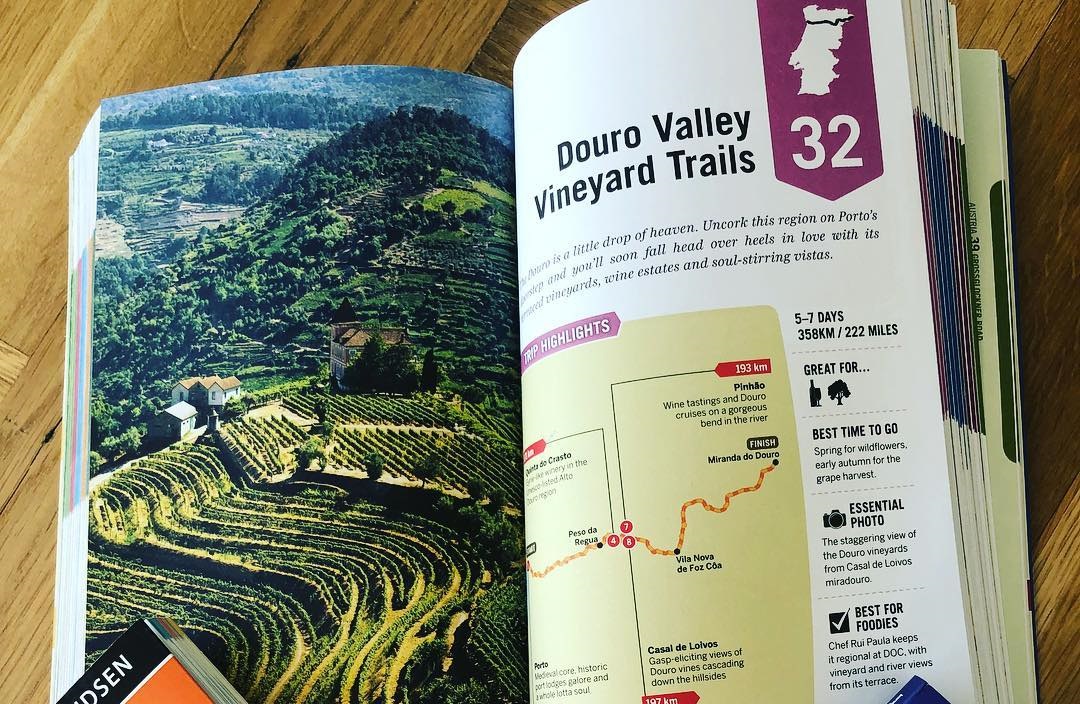

What to do in Portugal? Find out here
In addition to the cliff-lined beaches of the Algarve, Portugal is a country of bucolic landscapes and cities rich in culture. The distant strain... -
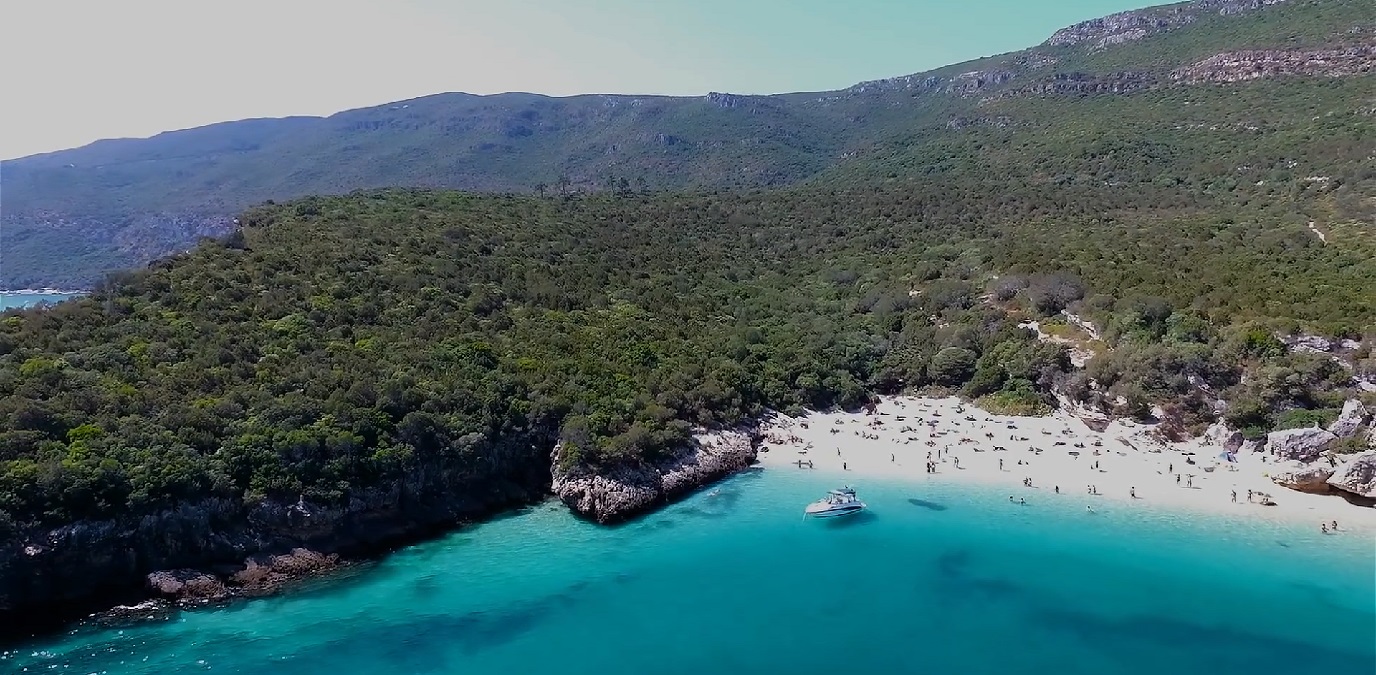
These 5 paradisiacal beaches are just 50 minutes from Lisbon Portugal
Arrabida Port Situated in the Serra da Arrábida Natural Park, Portinho Beach is one of the most beautiful in Portugal. Its fine white san... -

The oldest bookstore in the world is Portuguese
How many stories does the oldest bookstore in the world keep? No one knows, nor can know. Because there are countless memories of a house al... -
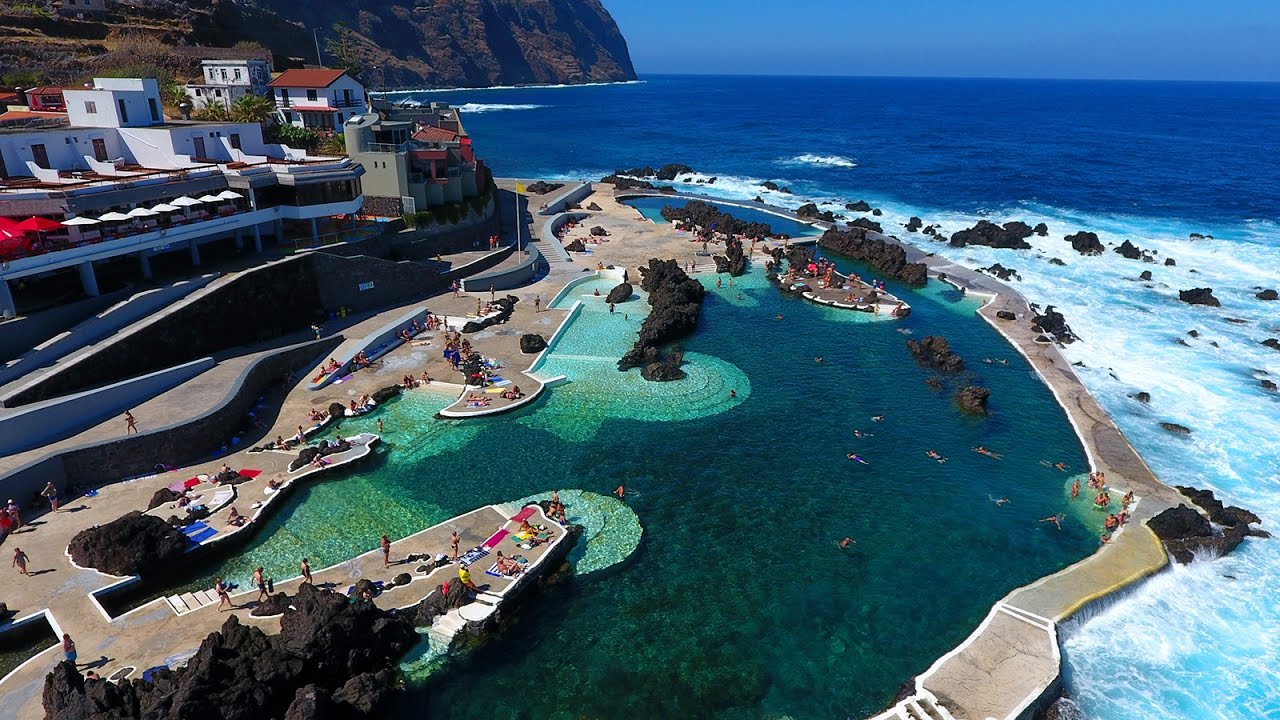
This pool is on the list of the best in the world and is Portuguese Madeira Island
CNN has elected the best tidal and seaside pools in the world. Formed over thousands of years by cooling volcanic lava, Porto Moniz natural pools... -

The 9 Best Neighborhoods to Visit in Lisbon
Baixa Lisbons business district, Baixa, contains a lot of Pombaline style architecture. (The term refers to the prime minister who reb... -
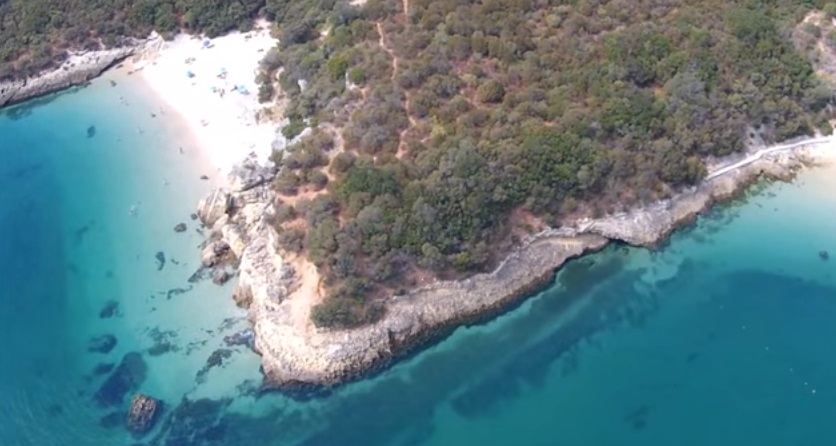
Is considered the most beautiful wild beach of Portugal a paradise of crystal clear waters
This wild beach is located in a small cove at the foot of the Arrábida mountain range. Access is by rail. Parking is limited and visitors... -
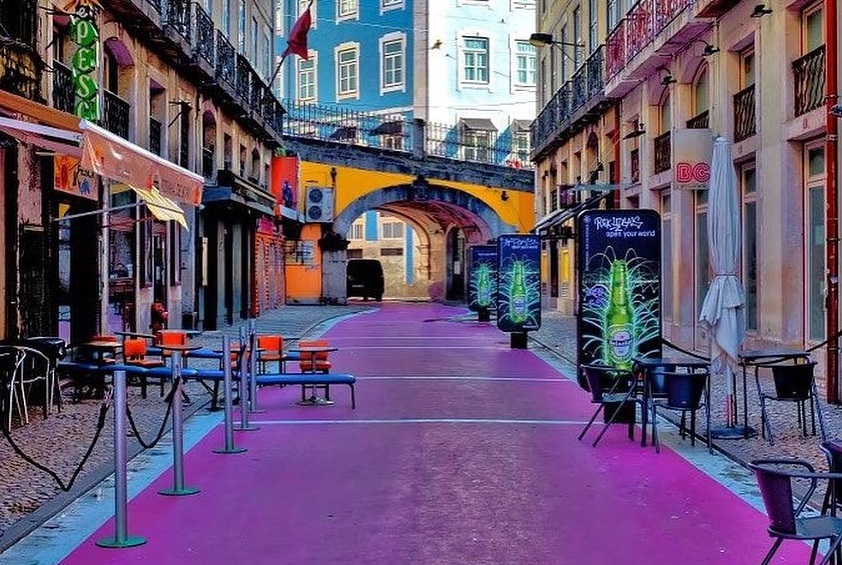
This is one of the 12 best streets in Europe is in Lisbon Rua da Rosa
The Rua Nova do Carvalho was voted one of the 12 favorite streets of the old continent by the New York Times. They are accompanied by ... -

10 most beautiful places in Portugal
The Piódão Village is considered one of the most beautiful in the country, classified as “Historical Village of Portuga...