
Lisbon Belem National Archaeological Museum Portugal
The National Archaeological Museum (MNA) is the main national archaeological museum in Portugal. Located in Lisbon, the museum was founded in 1893 at the initiative of José Leite de Vasconcelos. The museum is located in the western wing of the Jeronimos Monastery, where the former dormitory of the Monastery was located, in the 19th century neo-Manueline style premises, granted by government decision of November 20, 1900, beginning its transfer in 1903 and opening doors. in 1906.
The MNA results from the effort of José Leite de Vasconcelos (1858-1941) to create a Portuguese Museum of Man. With the patronage of Bernardino Machado, he was created, by royal decree of December 20, 1893, as an Ethnographico Portuguese Museum. As a centenary institution, it has been subordinated to various entities over the years and its name has been changed four times, since 1989 it has been named the National Archaeological Museum of Dr. Leite de Vasconcelos.
In more than a century of existence, this Museum has been the reference institution of Portuguese Archeology with regular correspondence with museums, universities and research centers around the world.
The National Museum of Archeology has been awarded the International Prize "Genius Protector of Colony Augusta Emeritau", awarded by the Roman Studies Foundation and the Friends of the National Museum of Roman Art of Merida, Spain.
Centennial institution, the current National Museum of Archeology (MNA) was founded, in December 1893, by proposal of Leite de Vasconcelos (hence the most complete official designation of the Museum, as published in 1989, in the “Diário da República”: Museu National Archeology, Doctor Leite de Vasconcelos).
The Royal Order, promulgated by King D. Carlos, was signed by two ministers of the government of Hintze Ribeiro, namely João Chagas, Minister of the Kingdom and Bernardino Ribeiro, Minister of Public Works, Commerce and Industry, and political patron of the idea. The relationship of friendship and collaboration between Bernardino Machado and José Leite de Vasconcelos predates the date of the creation of the Museum and will continue until the death of the latter.
In more than a century of existence this Museum has been the reference institution of Portuguese Archeology, with regular correspondence with museums, universities and research centers around the World. The Museums collection brings together the initial collections of the Founder and Estácio da Veiga. To these were added numerous others, some by integration from other state departments (eg archeology collections of the former Portuguese Royal House,
The MNA results from the effort of José Leite de Vasconcelos (1858-1941) to create a Portuguese Museum of Man. With the patronage of Bernardino Machado, he was created, by royal decree of December 20, 1893, as an Ethnographico Portuguese Museum. As a centenary institution, it has been subordinated to various entities over the years and its name has been changed four times, since 1989 it has been named the National Archaeological Museum of Dr. Leite de Vasconcelos.
The National Museum of Archeology has been awarded the International Prize "Genius Protector of Colony Augusta Emeritau", awarded by the Roman Studies Foundation and the Friends of the National Museum of Roman Art of Merida, Spain.
Centennial institution, the current National Museum of Archeology (MNA) was founded, in December 1893, by proposal of Leite de Vasconcelos (hence the most complete official designation of the Museum, as published in 1989, in the “Diário da República”: Museu National Archeology, Doctor Leite de Vasconcelos).
The Royal Order, promulgated by King D. Carlos, was signed by two ministers of the government of Hintze Ribeiro, namely João Chagas, Minister of the Kingdom and Bernardino Ribeiro, Minister of Public Works, Commerce and Industry, and political patron of the idea. The relationship of friendship and collaboration between Bernardino Machado and José Leite de Vasconcelos predates the date of the creation of the Museum and will continue until the death of the latter.

Outros Artigos Populares no Blogue
-


50 things to do in Portugal (at least) once in a lifetime
Today we will discover what are in our opinion the 40 things to do and visit in Portugal (at least) once in a lifetime. Participate in a half maratho... -
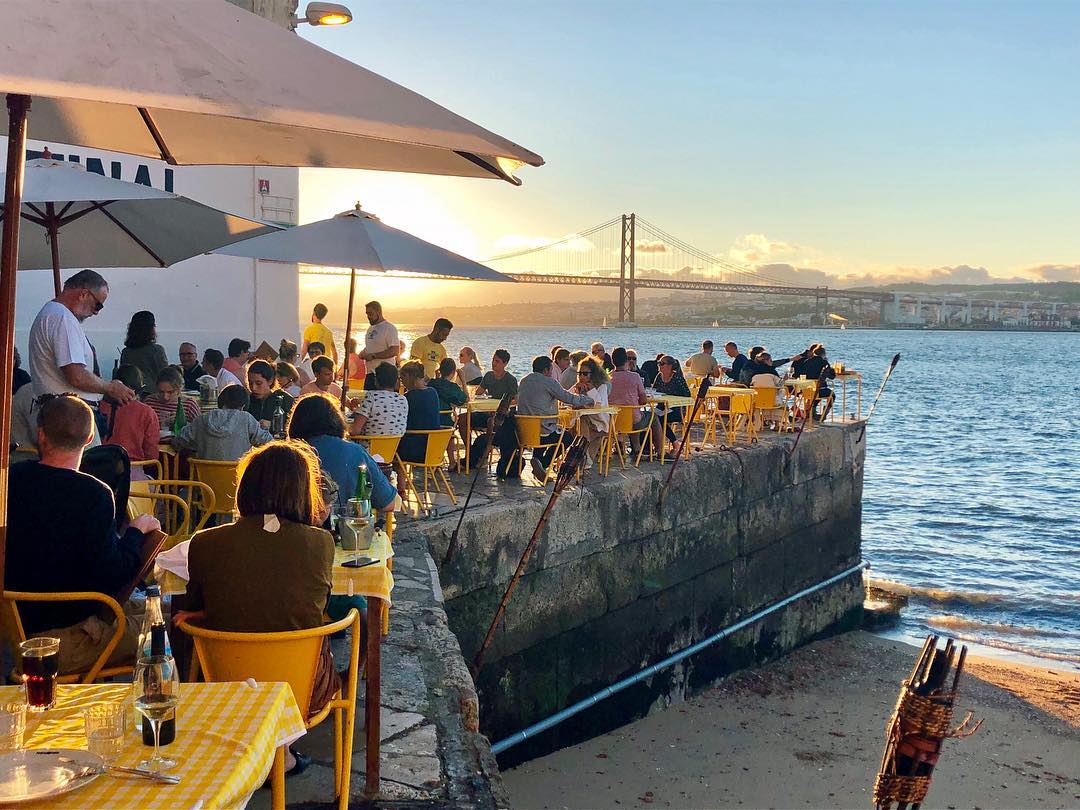
This restaurant has the best sunset in Portugal located in Almada Lisbon
The restaurants terrace has fantastic views over Lisbon, where you can see the monuments and gardens that stretch between Belém and Parque das ... -
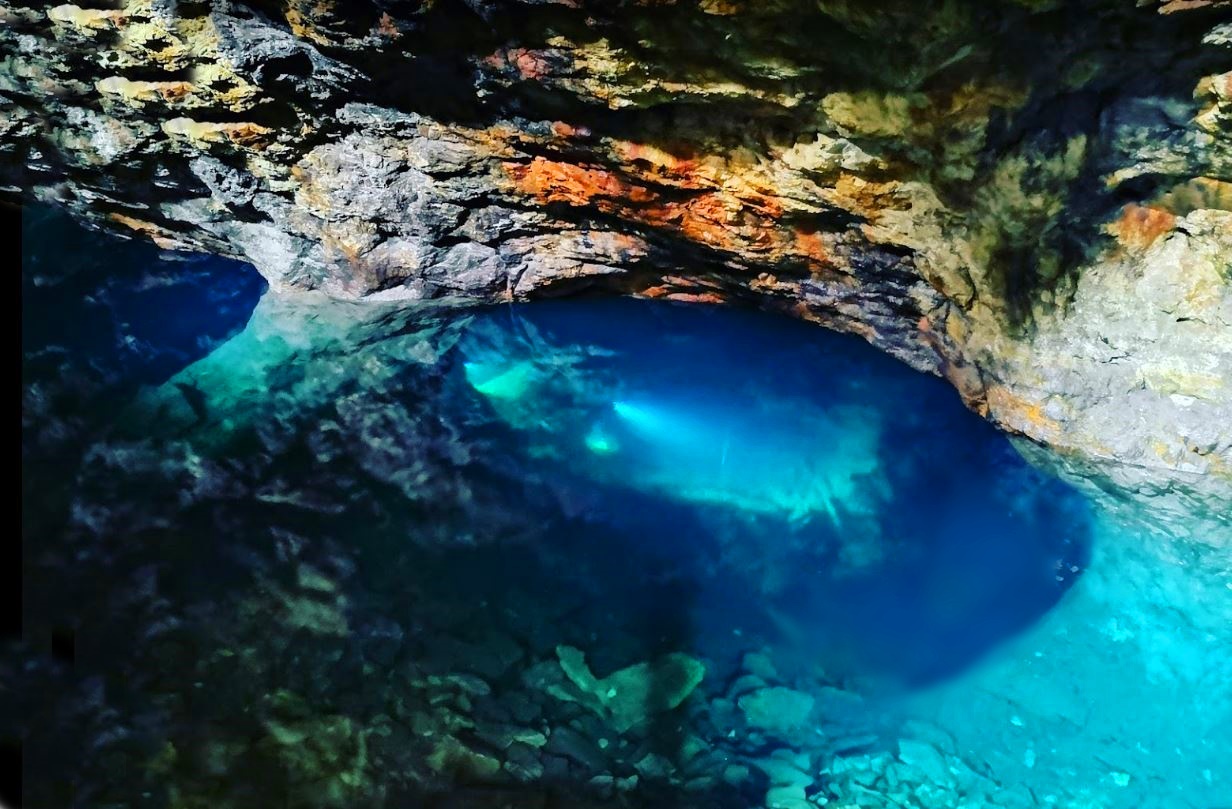
There is a secret cave and a blue lagoon in Portugal which is a true paradise to discover
Composed of the villages of Queiriga, Lousadela, Minas de Lagares and Quintas das Valas, the parish of Queiriga is 6km south of the county. It ha... -

Rota Vicentina is voted one of the best trails in Europe
One of the most famous trails in the world is the Rota Vicentina, which has been recognized by Leading Quality Trails - Best of Europe certification, ... -

São Bento Station: one of the most beautiful in the world
Considered one of the most beautiful in the world, the São Bento station in Porto was inaugurated 100 years ago, on October 5, 1916. Reason to ... -

Get to know Ilha da breatra, one of the most beautiful attractions in the Algarve Portugal
Integrated in the Ria Formosa Natural Park, Culatra Island is one of the barrier islands that separate the sea from the Ria. Being only accessibl... -

These are the 10 best beaches in the Algarve in 2019
Tres Irmaos Beach, Algarve Seen from above, Três Irmãos Beach is shown as a small corner of green... -
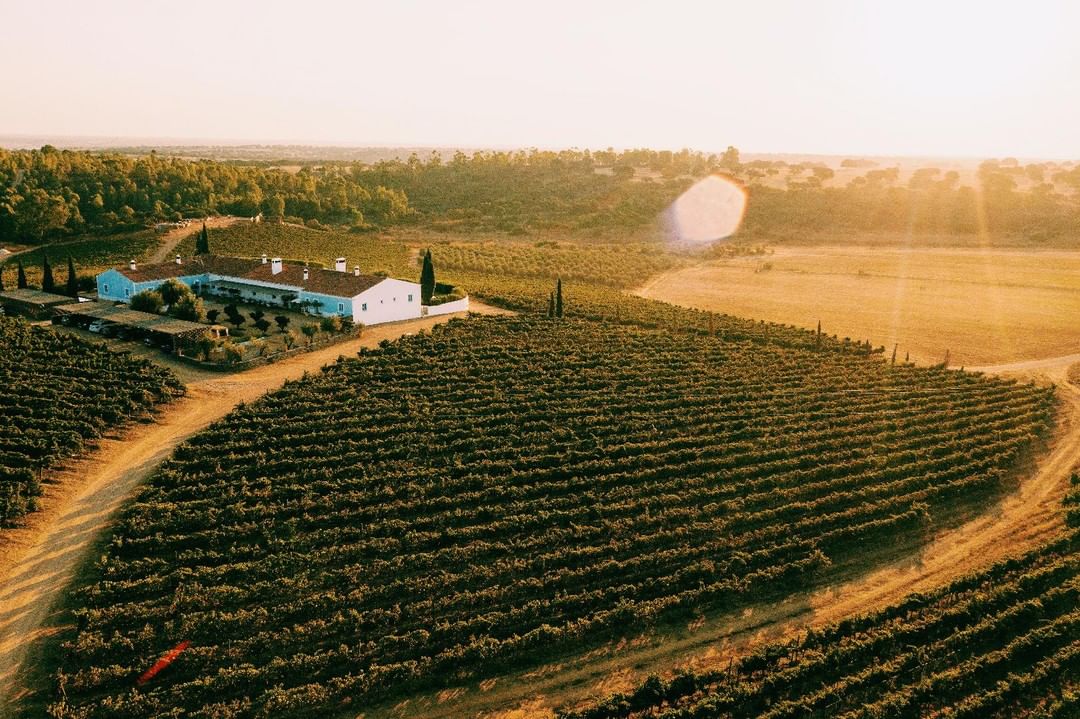
This is one of the must-see spots in rural Europe, according to The Guardian
From March, the Alentejo region of southern Portugal becomes a multicolored image: with yellow clover, wild red poppies, white daisies and purple lili...