
Archaeological Museum of Sanfins Citania Paços de Ferreira Portugal
The Archaeological Museum of Citânia is located in Sanfins de Ferreira, near Citânia, in a baroque building known as Casa da Igreja or Solar dos Brandões, which, with the old church and parish residence, constitute an architectural ensemble of local historical interest.
The solar has a very original organization and very marked by the site. The house was made, as inscribed by the inscription, in 1722, and later noble with stone of arms, granted in 1775. From this time, it is the noble portal that closes the courtyard of the house, in the Rococo style, where the large Guns stone.
The old church of Sanfins coexists and marked the former building.
In good granitic apparatus, it was remodeled in 1865, but conserves spaces and remains of the 16th century building, where the 16th century frescoes stand out. In its chancel are still dogs that belonged to an earlier phase of construction, medieval.
The museum was founded on October 18, 1947, occupying a room provided by the owners of the manor, was solemnly opened on January 14, 1984, after the acquisition of the City Hall of Paços de Ferreira.
Designed as a center for the study, conservation, exhibition and enhancement of Citânia de Sanfins and the councils archaeological heritage, this museum is today recognized as a dynamic institution with specialized research, pedagogical support, scientific dissemination and cultural intervention activities, which have been affirmed. of prime importance for the knowledge of our common past.
With the redesign of the Museum in 1995, financially supported by community programs, the exhibition area occupies the main building of Solar dos Brandões. The reserve and the research and administration unit are housed in the former parish residence, and the Old Church serves as an auditorium and temporary exhibition space. In the annexes is located the guards house, accommodation and other support services.
The permanent exhibition shows the collection of the Citânia de Sanfins excavations and the archaeological materials collected in the area of Paços de Ferreira, documenting numerous traces of the communities established in the region since the Neolithic.
The solar has a very original organization and very marked by the site. The house was made, as inscribed by the inscription, in 1722, and later noble with stone of arms, granted in 1775. From this time, it is the noble portal that closes the courtyard of the house, in the Rococo style, where the large Guns stone.
The old church of Sanfins coexists and marked the former building.
In good granitic apparatus, it was remodeled in 1865, but conserves spaces and remains of the 16th century building, where the 16th century frescoes stand out. In its chancel are still dogs that belonged to an earlier phase of construction, medieval.
The museum was founded on October 18, 1947, occupying a room provided by the owners of the manor, was solemnly opened on January 14, 1984, after the acquisition of the City Hall of Paços de Ferreira.
Designed as a center for the study, conservation, exhibition and enhancement of Citânia de Sanfins and the councils archaeological heritage, this museum is today recognized as a dynamic institution with specialized research, pedagogical support, scientific dissemination and cultural intervention activities, which have been affirmed. of prime importance for the knowledge of our common past.
With the redesign of the Museum in 1995, financially supported by community programs, the exhibition area occupies the main building of Solar dos Brandões. The reserve and the research and administration unit are housed in the former parish residence, and the Old Church serves as an auditorium and temporary exhibition space. In the annexes is located the guards house, accommodation and other support services.
The permanent exhibition shows the collection of the Citânia de Sanfins excavations and the archaeological materials collected in the area of Paços de Ferreira, documenting numerous traces of the communities established in the region since the Neolithic.

Outros Artigos Populares no Blogue
-


18 ways to order coffee in Portugal
Shot down In fact, its just a long coffee with more water, served in a large cup, just like a sock of milk. Coffee, spout or cymbalino It i... -

10 Things All Tourists Must Know About Lisbon Portugal
Why are garbage men "Almeidas"? We call the men who collect the garbage "Almeidas" because the first to do this work came from Almeida, in Gu... -

12 fabulous and free things to do in Lisbon
Belem Tower Gardens In the place of this garden it worked until the middle of the century. XX the “Belém Gas Factory&rdq... -
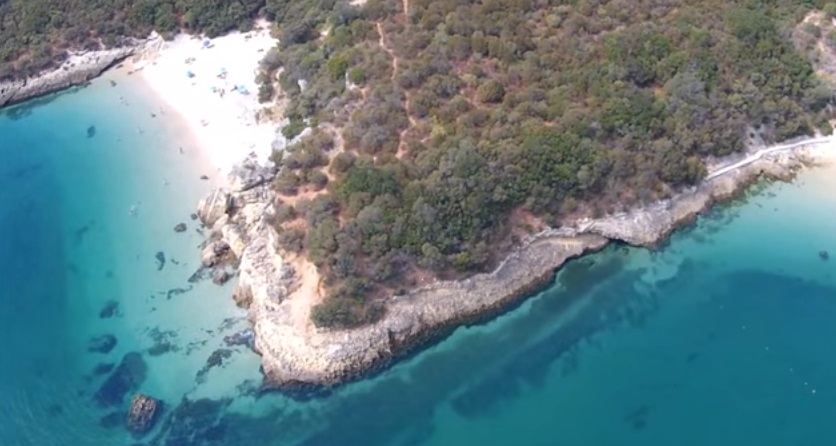
Is considered the most beautiful wild beach of Portugal a paradise of crystal clear waters
This wild beach is located in a small cove at the foot of the Arrábida mountain range. Access is by rail. Parking is limited and visitors... -
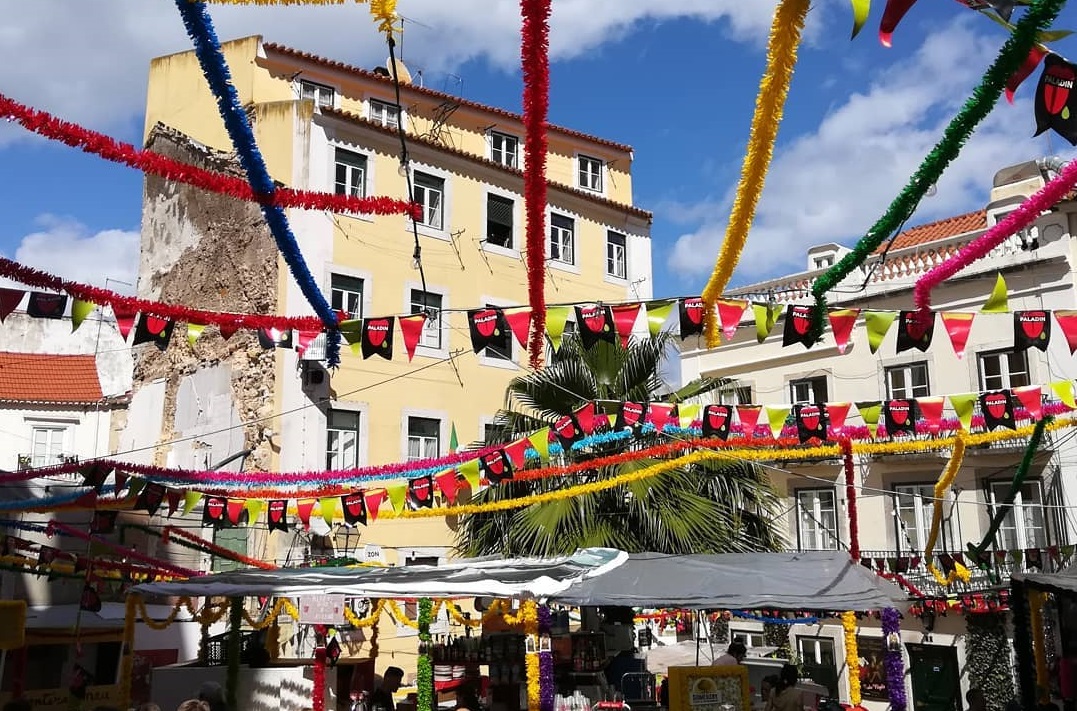
Popular Saints Feasts of the Year are Coming in Lisbon Portugal
The festivals of Saint Anthony, patron saint of blessings of Lisbon, are the first of the calendar and take place on June 12 and 13. These are th... -
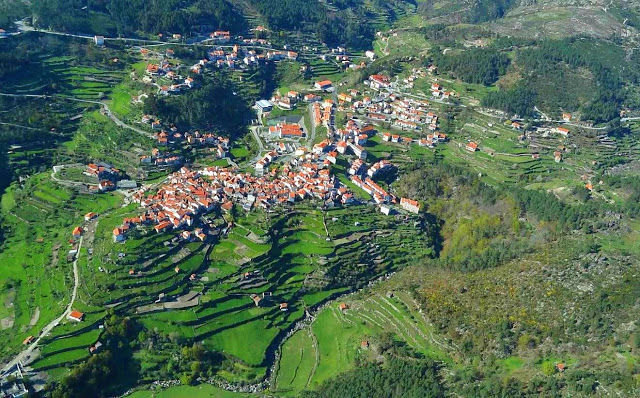
Loriga Village Portuguese Switzerland
Vila de Loriga is located in Serra da Estrela, about 770 meters high, as if protected by two watchful and haughty sentries that seem to touch the sky,... -

Azores awarded the best European holiday destination
The Azores have won the Quality Coast Gold Award as the best sustainable holiday destination in Europe. With the main objective of promotin... -
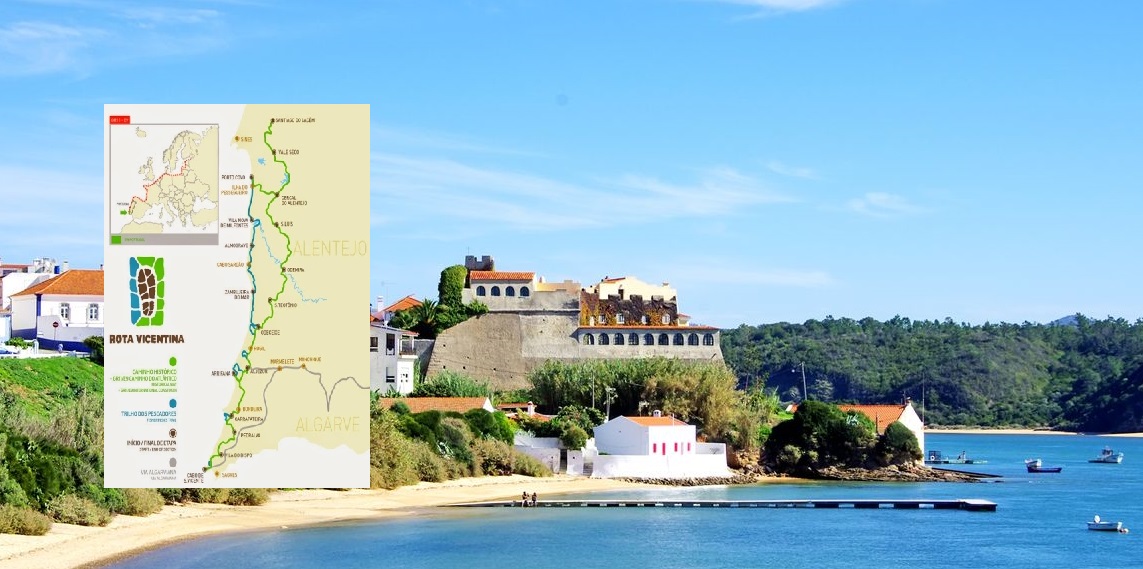
Vicentina Route in Portugal the best walking trails in Europe complete guide
This is the first time a Western European rail has been awarded Leading Quality Trails - Best of Europe certification. The Vincentina Route Historic ...