
The 5 most beautiful cathedrals in Portugal
Jeronimos Monastery www.mosteirojeronimos.pt ): More than any other ecclesiastical building in Portugal, this complex represents the wealth that poured into Lisbon from the colonies during the Age of Discovery. Begun in 1502 in Belém, the seaport near the gates of Lisbon, it is the most distinguished Manueline church in the world. Richly adorned and unlike any other building in Europe, it has, among other features, columns carved in patterns inspired by the rigging of Portuguese caravels loaded with riches from Brazil and India.
Mafra National Palace www.ippar.pt This convent was originally intended to house only about a dozen monks, but after the king of Portugal was blessed with an heir, he became obsessed with its architecture and greatly expanded its scale. Construction began in 1717 and financing came from gold imported from Portuguese settlements in Brazil. About 50,000 workers worked over 13 years to complete the convent. Today, the buildings cover 4 hectares (9 acres) and include a royal palace, as well as accommodation for 300 monks. A park whose outer wall measures 19 km (12 miles) surrounds the complex.
Santa Maria Monastery More closely associated with Portuguese wars against the Moors than almost any other place on the Iberian Peninsula, this monastery was a gift from the first Portuguese king (Afonso Henríques) to the Cistercian in 1153. As part of one of the most dramatic projects In improving Portuguese history, a community of ascetic monks cleared the surrounding forests, planted, dug irrigation ditches, and built a towering church (completed in 1253) that Critics cite as one of the purest and most skillfully simple in Europe.
Santa Maria da Vitória Monastery In 1385, the Spanish and Portuguese, led by a young man who had been crowned only a week earlier, fought one of the most crucial battles in Iberian history. The result ensured Portugals independence for over 200 years. It was celebrated with the construction of the Batalha monastery, whose style is a triumph of the Manueline and flamboyant Gothic style.
Convent of the Order of Christ Built in 1160 along the most disputed Muslim-Christian border of the Iberian Peninsula, this convent was originally intended as a monastic fortress. Successive building programs lasted half a century, creating a museum of various architectural styles. Some of the interior windows, adorned with stone carvings, corals, frigates, algae, cables and cork oaks, are the most splendid examples of Manueline decoration in the world.
Mafra National Palace www.ippar.pt This convent was originally intended to house only about a dozen monks, but after the king of Portugal was blessed with an heir, he became obsessed with its architecture and greatly expanded its scale. Construction began in 1717 and financing came from gold imported from Portuguese settlements in Brazil. About 50,000 workers worked over 13 years to complete the convent. Today, the buildings cover 4 hectares (9 acres) and include a royal palace, as well as accommodation for 300 monks. A park whose outer wall measures 19 km (12 miles) surrounds the complex.
Santa Maria Monastery More closely associated with Portuguese wars against the Moors than almost any other place on the Iberian Peninsula, this monastery was a gift from the first Portuguese king (Afonso Henríques) to the Cistercian in 1153. As part of one of the most dramatic projects In improving Portuguese history, a community of ascetic monks cleared the surrounding forests, planted, dug irrigation ditches, and built a towering church (completed in 1253) that Critics cite as one of the purest and most skillfully simple in Europe.
Santa Maria da Vitória Monastery In 1385, the Spanish and Portuguese, led by a young man who had been crowned only a week earlier, fought one of the most crucial battles in Iberian history. The result ensured Portugals independence for over 200 years. It was celebrated with the construction of the Batalha monastery, whose style is a triumph of the Manueline and flamboyant Gothic style.
Convent of the Order of Christ Built in 1160 along the most disputed Muslim-Christian border of the Iberian Peninsula, this convent was originally intended as a monastic fortress. Successive building programs lasted half a century, creating a museum of various architectural styles. Some of the interior windows, adorned with stone carvings, corals, frigates, algae, cables and cork oaks, are the most splendid examples of Manueline decoration in the world.

Outros Artigos Populares no Blogue
-
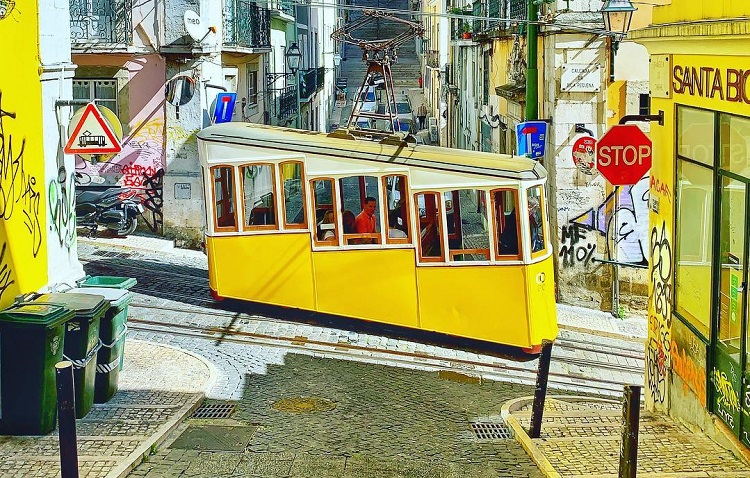

The most beautiful lift in the city Lisbon Portugal
One of the emblems of Lisbon is its electric cars, which have been in operation since the late 19th century. From this picturesque transport syst... -
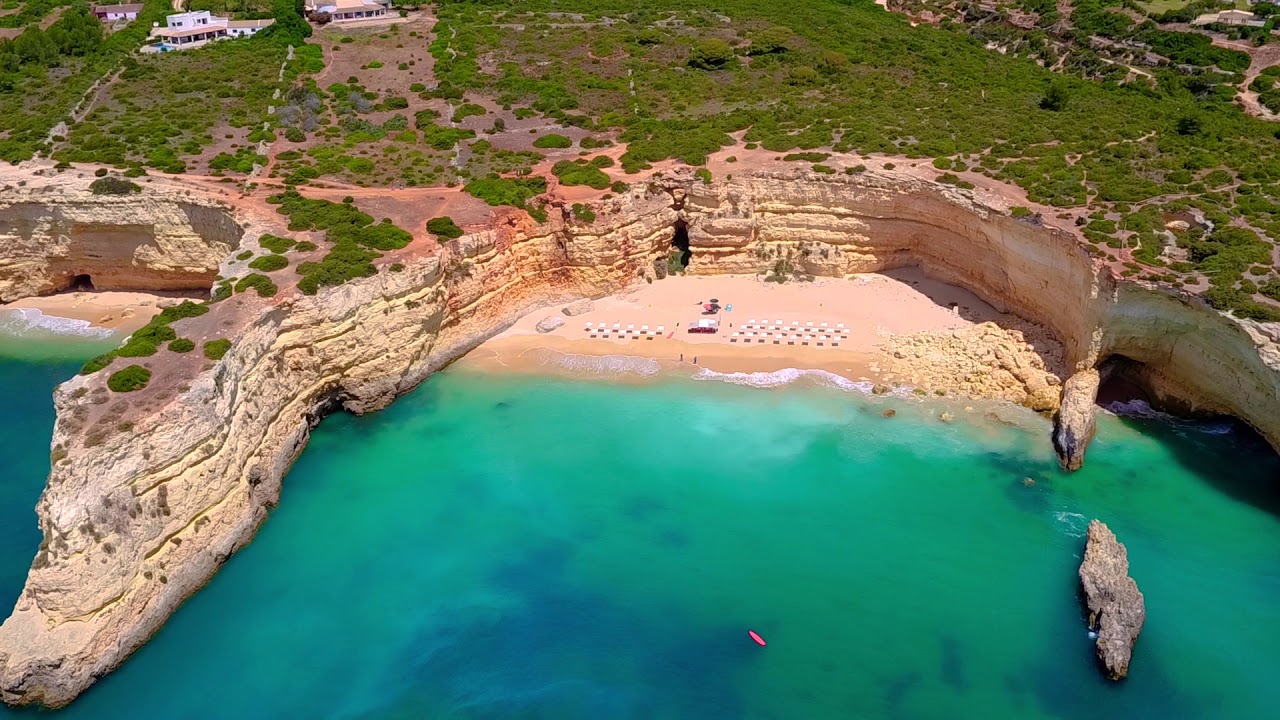
7 Valleys Trail on the cliffs of Lagoa elected the best in Europe Algarve Portugal
The Seven Hanging Valleys of Lagoa, Algarve, were voted “The Best Hiking Destination in Europe” in a ranking promoted by European Best Des... -
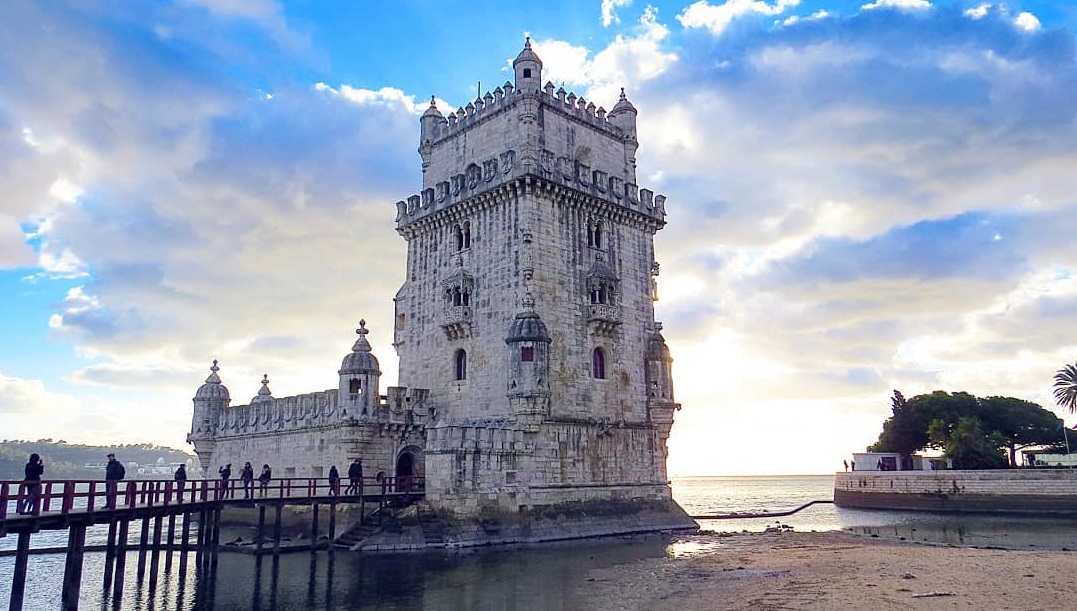
A week in Portugal what to do and visit
The very title of this tour is a mistake. There is no way to see all of Portugal in 1 week, just some of its highlights. But you can have a ... -

The 9 Best Golf Courses in Portugal
Gradually, Portugal is entering its name on the international golf routes. Possessing some of the most splendid courses not only in Europe, but a... -
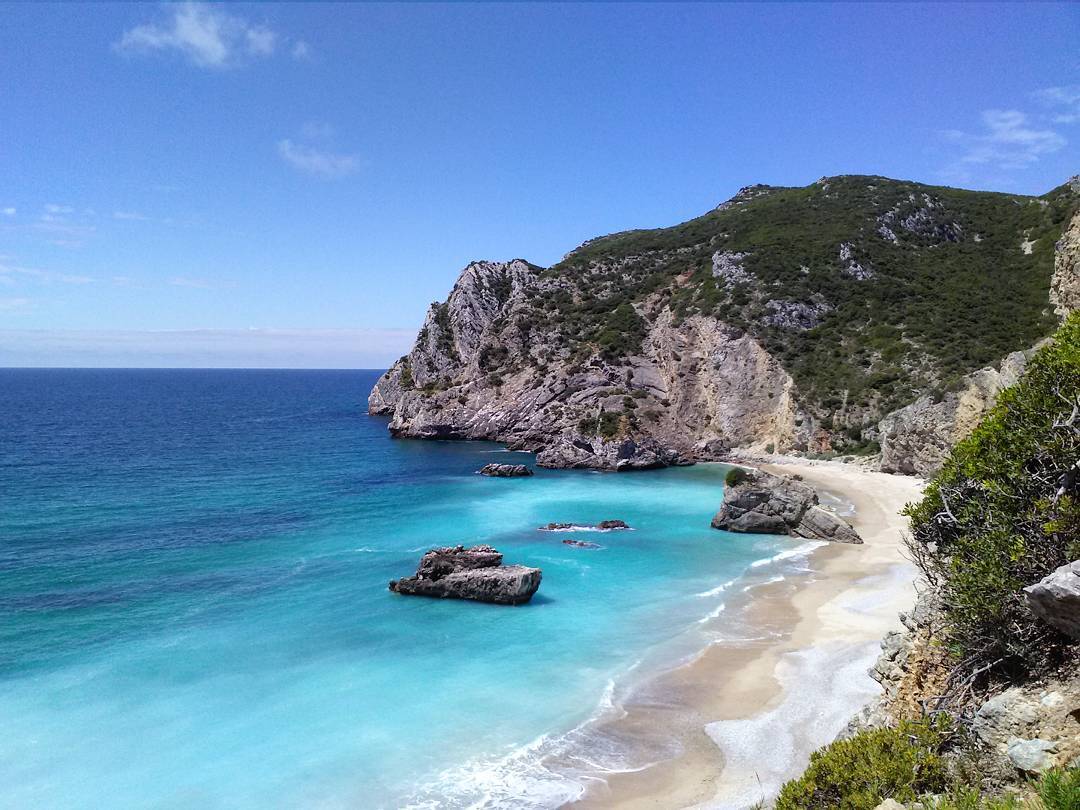
This paradise in Sesimbra Ribeira do Cavalo beach is one of Portugals best kept secrets
Ribeira do Cavalo Beach is a wild beach located very close to the village of Sesimbra in the west. Unsupervised beach with no support conditions ... -
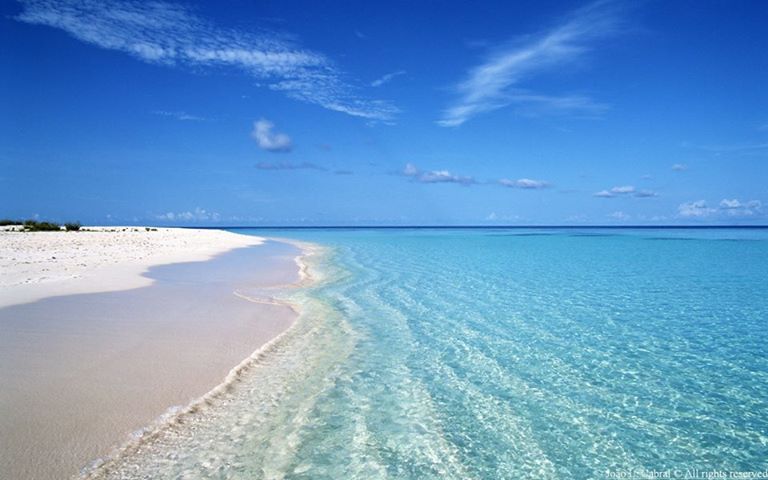
Comporta On the Alentejo coast in Portugal, a beach with white sand and a blue sea, simply paradise
Inserted within the limits of the Sado Estuary Nature Reserve, which allows it to preserve all its natural beauty. From the dunes, sand, seaw... -
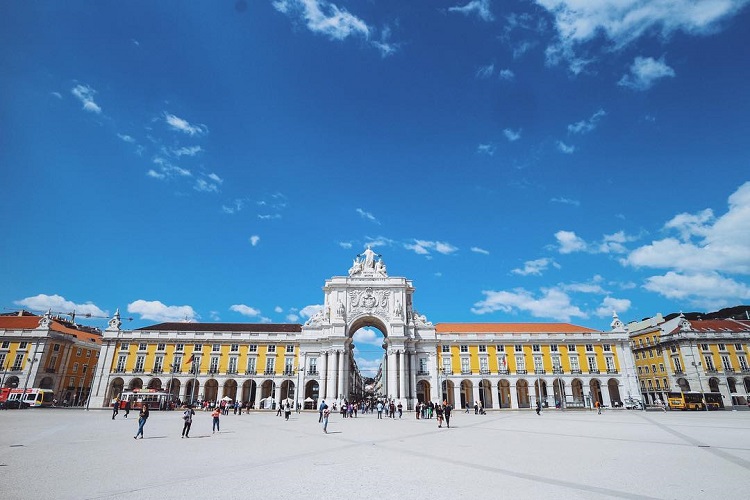
Top 15 attractions and things to do in Lisbon Portugal
If you like to eat sweets in Belém or listen to fado in Bairro Alto, there is plenty to do on a break in the city of Lisbon &nb... -
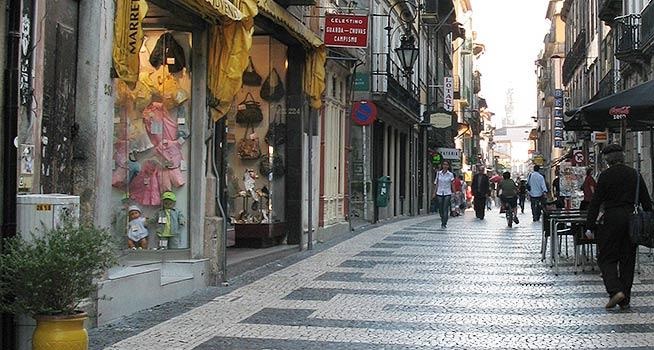
Cedofeita Street the street you have to visit in Porto Portugal
The street takes its name from the Church of São Martinho de Cedofeita, whose foundation is thought to date back to the sixth century, in full ...