
10 most beautiful places in Portugal
The Piódão Village is considered one of the most beautiful in the country, classified as “Historical Village of Portugal” . Located in the center of the country, belonging to the municipality of Arganil, on the slope of the beautiful Serra do Açor. Its typical slate and slate houses, with painted blue wood windows, gracefully descend the hillside, forming an amphitheater in this steep mountain, and is often called the “crib village”. Piódão is a mountain village, rural in character, and difficult accesses, an excellent example of how humans have adapted over the centuries to the most inhospitable places.
Tourist icon of the region, the Monsanto Historical Village is a peculiar experience for those who visit. D. Afonso Henriques, D. Sancho I, D. Sancho II and D. Manuel were granted the charter. The oldest part is at the highest point, where the Templars built a fence with a keep. To this structure is later added another one, paced by towers, with two uneven floors. The first includes a cistern and the Church of St. Mary. In the lower part, the main gate of the fence is torn. Outside the walls, the primitive settlement around S. Miguel Chapel, a small treasure trove of Romanesque architecture, is defended by a low fence. Overlooking the cluster, now in ruins, stands the Tower of Pião. The May Feast procession of the Divine Holy Cross ascends to the castle as a symbolic place,
Algar de Benagil is an incredible geological formation, this marine cave is located in Benagil on the council of Lagoa - Algarve - Portugal and is accessible only by sea. This is an impressive cave with the particularity of having a hole in the top and hiding a beach inside, is also known as “Cathedral”. This corner of the almost primitive nature, is protected by a high cliff, and can still be found the most beautiful caves of the Portuguese coast. It is sought for the high quality and transparency of its waters, as well as for its richness and marine biodiversity.
Loriga is a Portuguese village and parish in Seia municipality, Guarda district. Loriga is known as the “Portuguese Switzerland” due to its extraordinary landscape and geographical location. Surrounded by mountains, of which Penha dos Abutres (1828m altitude) and Penha do Gato (1771m) stand out, it is embraced by two waterways: Ribeira de Loriga or “Courelas or“ Nave ”, and Ribeira de St. Benedict. The Ribeira de Loriga, is one of the largest tributaries of the Alva River. The terraces and their complex irrigation network are one of the great ex-libris of Loriga, a work built over hundreds of years that turned a rocky valley into a fertile valley. It is a work that still marks the landscape, being part of the historical heritage of the village and is demonstrative of the genius of its inhabitants.
Azenhas do Mar is a village on the coast of Sintra, Colares. Developing along a river / waterline that runs to the Atlantic and breaks the cliffs of the coast, and where there were azenhas (hence the name), it has at its base a beach on which there is an oceanic pool. In addition to the picturesque natural landscape, there are several buildings of interest in Azenhas do Mar, particularly in the Portuguese Soft Style, namely with tiled facades, such as the school and the residence for the teacher. Presence in all the tourist itineraries of Portugal, it is currently the second dwelling place of many, and its resident population is 800 inhabitants. Traditionally, in addition to the milling activity, the main activities were agriculture,
The village of Monsaraz, still surrounded by its medieval walls, stands on a stony dominating escarpment of a vast region that includes the Guadiana Valley and the Alqueva reservoir in the Alentejo , a privileged situation conducive to a very remote human presence. there is no certainty about a castric or even Roman occupation. The only certainty is that the settlement already existed during the period of Muslim occupation and must date from then on its first fortifications. Occupied by the Christians after the conquest of Évora , by Geraldo Sem-Dread, the Templar order would later be donated and, after its extinction, would become the possession of the Order of Christ, the successor of that one in the national territory.
On the south bank of Albufeira do Alto Rabagão is Vilarinho de Negrões, one of the most picturesque villages in the whole region, for its still relatively preserved houses and, above all, for its location on a narrow and beautiful peninsula - a small piece of land saved from rising waters.
Piódão
Monsanto
Algar de Benagil
Algar de Benagil is an incredible geological formation, this marine cave is located in Benagil on the council of Lagoa - Algarve - Portugal and is accessible only by sea. This is an impressive cave with the particularity of having a hole in the top and hiding a beach inside, is also known as “Cathedral”. This corner of the almost primitive nature, is protected by a high cliff, and can still be found the most beautiful caves of the Portuguese coast. It is sought for the high quality and transparency of its waters, as well as for its richness and marine biodiversity.
Loriga
Loriga is a Portuguese village and parish in Seia municipality, Guarda district. Loriga is known as the “Portuguese Switzerland” due to its extraordinary landscape and geographical location. Surrounded by mountains, of which Penha dos Abutres (1828m altitude) and Penha do Gato (1771m) stand out, it is embraced by two waterways: Ribeira de Loriga or “Courelas or“ Nave ”, and Ribeira de St. Benedict. The Ribeira de Loriga, is one of the largest tributaries of the Alva River. The terraces and their complex irrigation network are one of the great ex-libris of Loriga, a work built over hundreds of years that turned a rocky valley into a fertile valley. It is a work that still marks the landscape, being part of the historical heritage of the village and is demonstrative of the genius of its inhabitants.
Azenhas do Mar
Azenhas do Mar is a village on the coast of Sintra, Colares. Developing along a river / waterline that runs to the Atlantic and breaks the cliffs of the coast, and where there were azenhas (hence the name), it has at its base a beach on which there is an oceanic pool. In addition to the picturesque natural landscape, there are several buildings of interest in Azenhas do Mar, particularly in the Portuguese Soft Style, namely with tiled facades, such as the school and the residence for the teacher. Presence in all the tourist itineraries of Portugal, it is currently the second dwelling place of many, and its resident population is 800 inhabitants. Traditionally, in addition to the milling activity, the main activities were agriculture,
Monsaraz
The village of Monsaraz, still surrounded by its medieval walls, stands on a stony dominating escarpment of a vast region that includes the Guadiana Valley and the Alqueva reservoir in the Alentejo , a privileged situation conducive to a very remote human presence. there is no certainty about a castric or even Roman occupation. The only certainty is that the settlement already existed during the period of Muslim occupation and must date from then on its first fortifications. Occupied by the Christians after the conquest of Évora , by Geraldo Sem-Dread, the Templar order would later be donated and, after its extinction, would become the possession of the Order of Christ, the successor of that one in the national territory.
Village of Negrões
On the south bank of Albufeira do Alto Rabagão is Vilarinho de Negrões, one of the most picturesque villages in the whole region, for its still relatively preserved houses and, above all, for its location on a narrow and beautiful peninsula - a small piece of land saved from rising waters.

Outros Artigos Populares no Blogue
-
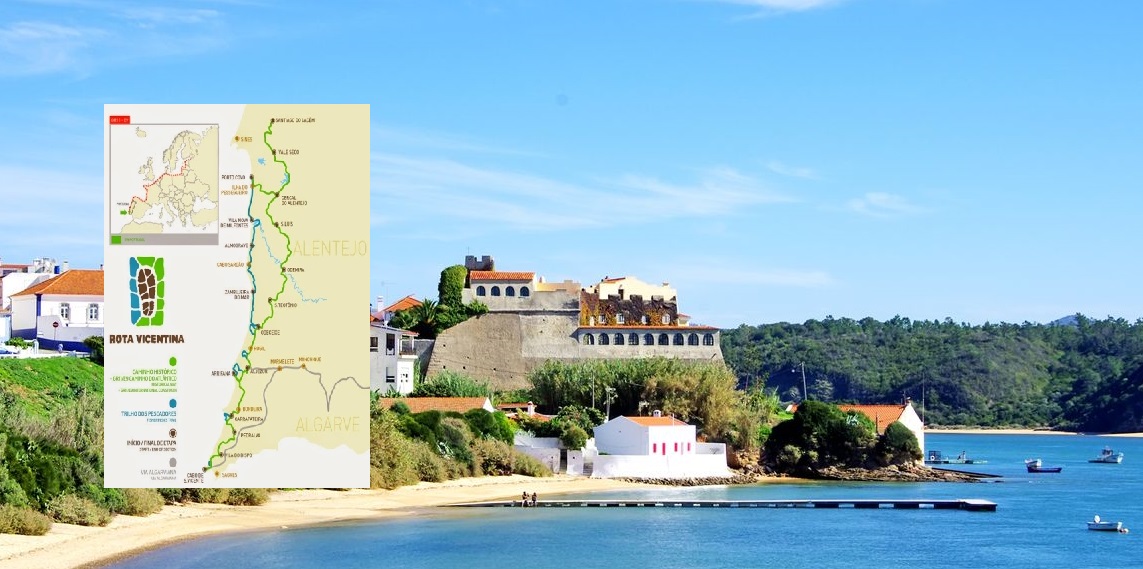

Vicentina Route in Portugal the best walking trails in Europe complete guide
This is the first time a Western European rail has been awarded Leading Quality Trails - Best of Europe certification. The Vincentina Route Historic ... -

Porto voted the best city in Europe to visit in 2019
Porto was voted the best European city to visit in 2019 - and the second in the world by Culture Trip experts and users. Culture Trip... -
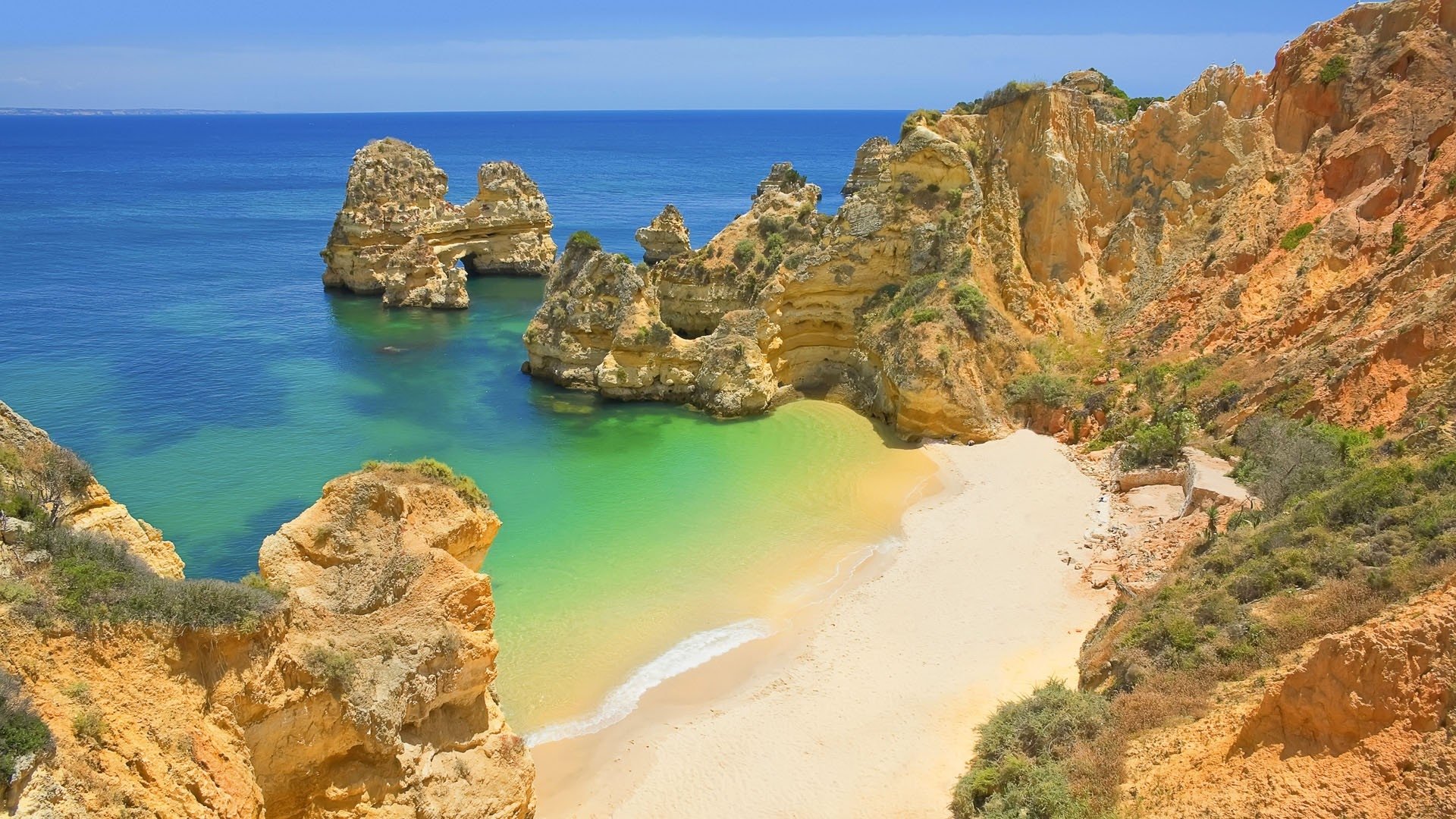
Galapinhos Beach in the list of the most stunning in Europe and Dona Ana Beach in Lagos
With spring in sight and summer no longer seeming to be unbeatable, the British newspaper Evening Standart has brought together the most beautiful bea... -
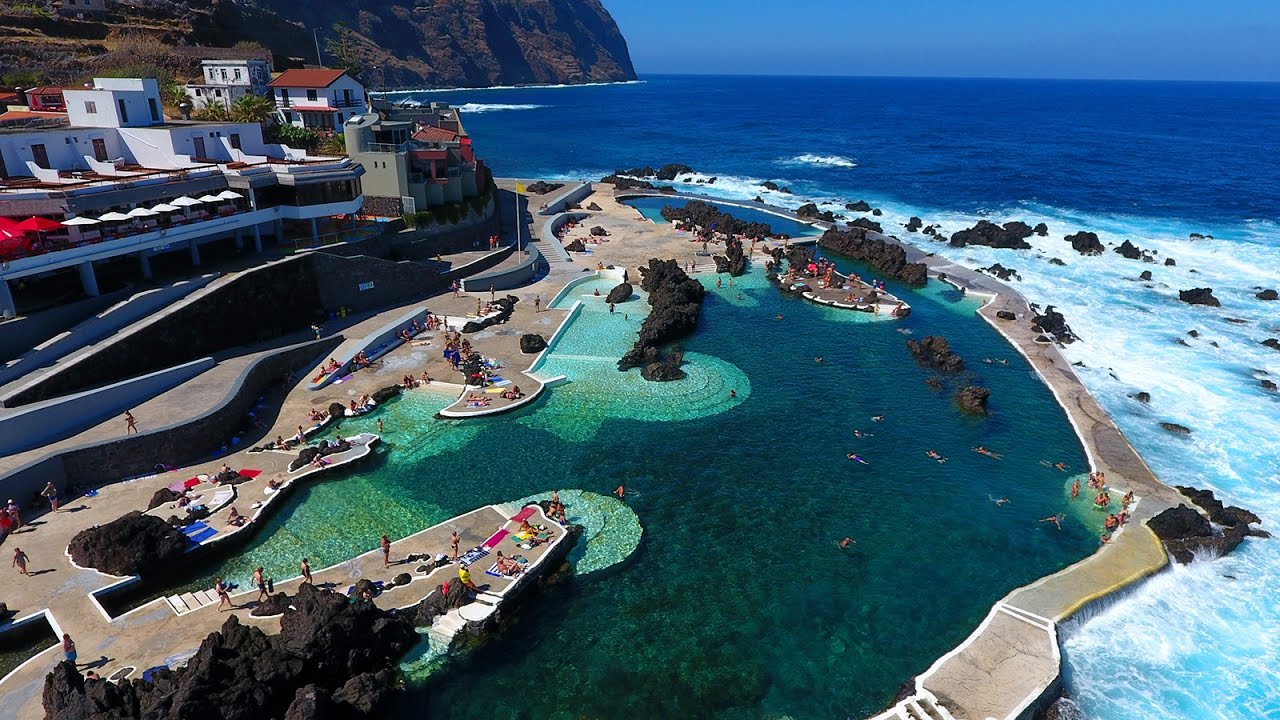
This pool is on the list of the best in the world and is Portuguese Madeira Island
CNN has elected the best tidal and seaside pools in the world. Formed over thousands of years by cooling volcanic lava, Porto Moniz natural pools... -

12 fabulous and free things to do in Lisbon
Belem Tower Gardens In the place of this garden it worked until the middle of the century. XX the “Belém Gas Factory&rdq... -
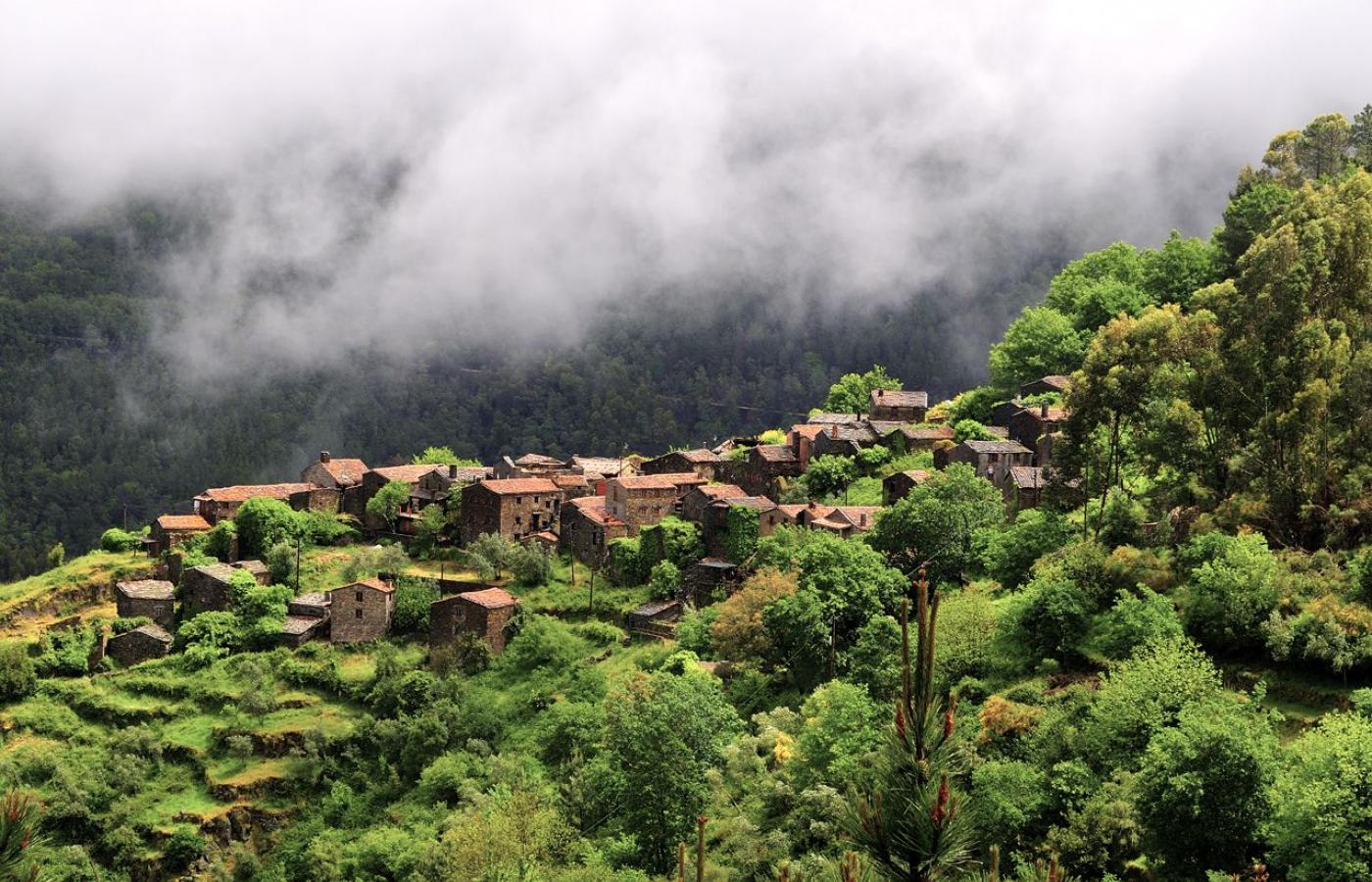
Talasnal village one of the most beautiful in schist Portugal
This has long been the Serra da Lousã Schist Village that has given more visibility and charisma to the whole. For its size and layout, bu... -

It is one of the most secret beaches in the Algarve and only to go by boat
Praia do Mato has a small, shell-shaped beach surrounded by cliffs. In the West, there are three caves: two with large entrance arches and one sm... -

One of the best beaches of Madeira Island
The beach area of Praia da Calheta is located at Avenida D. Manuel I, Calheta Municipality, in the west of Madeira, about 30 minutes drive from Funcha...