
14 places not to be missed in Porto Portugal
Portos charms abound, and the laid-back vibe of the city gives travelers to Europe a much-needed relief from the museums-filled cities and faster sites nearby. In Porto, you can enjoy the stunning views of the Douro River from a stroll over Dom Luís I Bridge , admire the beach landscape on the citys west coast and drink in the liveliness of the Ribeira District, a UNESCO World Heritage Site. Speaking of booze, get ready to savor and stroll around Vila Nova de Gaia to sample the regions famous port at its finest wine shops . Those who seek to enrich their minds with a bit of history and culture will enjoy visiting the Cathedral of Port , the Railway São Bento train station and the Palace of the Stock Exchange . In the meantime, artists can view paintings, sculptures and more at the Soares dos Reis National Museum or the Serralves Foundation Museum of Contemporary Art .
Best things to do in Porto
Dom Luis I Bridge
This iconic arched iron bridge crosses the Douro River, connecting Porto with Vila Nova de Gaia. Although Porto is known for having some bridges, the Dom Luis I Bridge is especially famous because it was designed by a student of Gustave Eiffel, the brain behind the Eiffel Tower in Paris . Also, at the time of its completion in 1886, this bridge was the longest iron arch in the world. The bridge accommodates cars at its lower level and the Porto subway at its upper level; Pedestrians can walk along the bridge on both levels. Stroll across the upper deck of the bridge and you will be rewarded with spectacular views of the buildings built on the cliffs bordering the river.
Admiring the bridges composition and the views it offers is something that all visitors to Porto should do, according to recent travelers. "This bridge has to be one of the most amazing pieces of architecture," said a TripAdvisor reviewer . "Be sure to walk the upper and lower levels, if you can, the views are great!" A visit here would go well with a stop at some of Portos neighboring wineries , just across the bridge in Vila Nova de Gaia. Another option would be to embark on a Douro River cruise or a boat trip that would allow you to see all six bridges at once.
You will find the Dom Luís I Bridge entrance points at the southeastern end of Porto and the north end of Vila Nova de Gaia. The nearest metro stops are São Bento in Porto and Jardim do Morro in Vila Nova de Gaia, both on line D (yellow).
Porto Cathedral
Perched high on a hill overlooking the city, Porto Cathedral (known as the Sé) was originally built between the 12th and 13th centuries, and features a variety of architectural styles, including Romanesque, Baroque and Gothic. The fortress-like church is the citys largest and one of Portos oldest monuments; It is flanked by twin towers and has a fairly simple stone facade. But inside the See you will find a beautiful pink stained glass, a collection of centuries-old sculptures and a silver altarpiece that was once used as the bishops office. Meanwhile, the cloister boasts white and cobalt ceramic tiles depicting different scenes from religious history. Most travelers say visiting the church and cloister is absolutely worth an hour or two, noting that the exterior is remarkable but the interior is exquisite.
The Sé is located in Terreiro da Sé, in central Porto, and can be reached most easily via the São Bento stop on the Porto D (yellow) metro line. The cathedral is open daily from 9am to 12:30 pm and from 2:30 pm to 7pm from April to October, and closes at 6pm between November and March. While you dont have to pay to walk around the cathedral, it costs € 3 to explore the cloister area.
Crystal Palace Gardens
The best way to get to the Crystal Palace Gardens is by subway to the Allies stop on the D (yellow) line or Carolina Michaelis stop, which serves A, B, C, E and F (blue, red, green, purple and orange) lines. You can also take bus no. 200 towards Bolhão or bus no. 207 towards Campanha on Rua do Campo Alegre and get off at the Palácio stop; bus 12M also serves the Palace stop en route from Porto to Vila Nova de Gaia. The gardens are open daily until dusk and are free to explore.
Aliados Avenue (Aliados Avenue)
Portos main avenue, Avenida dos Aliados, features a handful of cafes, hotels, banks and boutiques, all located in architecturally impressive buildings. Located in the heart of Porto, southeast of the famous Bolhao Market , this wide avenue is named after the Allies of World War I. Most buildings have an intricate design on their domes and cornices. Points of interest include Portos Granite and Marble Town Hall (which is at the northern end of Avenida dos Aliados), General Humberto Delgado Square (marked by some trees and located in the center of Avenida) and Praça da Liberdade. anchor to the avenue and is marked by a statue of King D. Pedro IV riding a horse). The central part of the avenue often hosts artists, street performers and festivals.
The best way to enjoy the Avenida dos Aliados is strolling down the street to revel in the bustling atmosphere and choose a cozy place to order a coffee (coffee). "The architecture surrounding this square allows for some great photography - go on a sunny day!" said a TripAdvisor reviewer . "In the far north, small chairs ... let you relax and people watch."
Walking down Avenida dos Aliados wont cost you a penny, and you can do it at any time of the day. The area is most easily reachable via the D (yellow) metro line to the Aliados stop.
Port Wine Tasting and Tours
A visit to Porto would not be complete without stopping to taste the citys most outstanding export wine - Port. Youll find dozens of wineries scattered around Porto, and theres even a Port Wine Museum dedicated to teaching the history of the Port wine trade and the development of production. But if youre more interested in absorbing, head to one (or several) of Portos top wineries.
Sogrape Vinhos owns the Ferreria, Sandeman and Offley cellars, and all three of the northern locations of Vila Nova de Gaia are within walking distance. It starts at Ferreira , the westernmost winery, which was built in 1751 and has long played an important role in Portos wine history thanks to its family of notable winemakers. Head east along Ramos Pinto Avenue and arrive at your next stop, Sandeman Porto Cellars . Sandeman is one of the regions most recognized wine cellars, situated along the picturesque banks of the Douro River and bearing a huge white letter indicating the name of the winery. This winery also features various paintings, photographs, antique bottles and other trinkets that describe the history of the Sandeman brand. South of Sandeman will find Offley Cellars ; Built in 1737, the Offley winery is the oldest of the Sogrape Vinhos brand. A unique tour and wine tasting tour at one of Sogrape Vinhos cellars costs between 3 and 35 euros (about 4-50 dollars) depending on the type of experience you are looking for. (Some packages include tastings with a wide variety of wines, some have a more intimate experience and some include tapas sampling as well.) However, if you are hoping to do a wine tour and basic tasting in all three wineries, you can do for € 10 euros
Another popular port winemaker, Taylors , is on the corner of Offley Cellars. Just south of Offley on Choupelo Street, Taylors winery educates visitors about the history of port wine and the companys own four-century production. Taylors tours cost € 5.00 and include tastings of three port wines.
Times vary by winery and tours are available in English. All four locations are located in front of the Douro River from the center of Porto, in Vila Nova de Gaia; The closest subway station to the four wineries is Jardim do Morro, on line D (yellow).
Sao Bento Railway Station
Built on the former site of a Benedictine monastery, São Bento Train Station opened in 1916; Today, trains pass through here taking travelers between Porto and many of its northern suburbs. But you probably wont be visiting here to catch a train anywhere. What is remarkable about this landmark are its 20,000-some painted blue and white tile panels (known as azulejos ) that highlight the history of Portugal. Portuguese artist Jorge Colaço is the mentor of this tile piece ; its tiles were assembled over a decade - from 1905 to 1916. Some of the most striking scenes include King John I and Queen Filipa standing near the citys cathedral in 1387 and a depiction of the Battle of Arches of Valdevez.
While it may seem unusual to see such detailed artwork on a train station, a TripAdvisor user even says that a visit to Porto is not complete until you enter. "The architecture and the beautifully painted tiles speak of the heavy religious influences in Porto. Enjoy your time and enjoy ... the clock and the intricate steel structure that is already in there too."
You will find São Bento Train Station southeast of Avenida dos Aliados , so planning to visit these two places together makes the most sense. (You should schedule your visit outside of typical rush hour to avoid crowds.) The train station is accessible via the São Bento subway stop on line D (yellow), and admission is free. Find more information about São Bento Train Station, including train schedules and tickets, by visiting the website .
Bolhão Market
Sweet fruit aromas, freshly baked bread and aromatic cheeses welcome visitors as soon as they enter the Bolhão Market. This open-air market is reminiscent of many youll find in Europe, with vendors selling a variety of fresh and home-made products at very affordable prices. The market, which dates back to 1850, is housed behind a neoclassical facade in a two-story building in the heart of Porto. While some recent visitors say the building is in need of some renovation, they note the bustling energy of the market and delicious treats offset the aging facility.
City Market Bolhao is open from Monday to Friday, from 7h to 17h, and on Saturdays, from 7h to 13h. Admission is free, but you should bring some money to spend on fresh food that you might like. You can reach the market via metro line A, B, C, E or F (blue, red, green, purple or orange) to Bolhão stop. For more information, visit the Porto tourism council website .
Beaches
Portos location along Portugals northwest coast gives the city access to a first-rate beach. If you are experiencing a sunny day, visiting the northwest coast of Portugal is a great way to pass the time. In Foz, located east of the city center along Avenida do Brasil, you will find a handful of small beaches, such as Praia do Molhe and Gondarém Beach. Although picturesque, the terrain off the coast is a bit rocky, so swimming is not advisable. But you can still bring a towel to lie on the sand, soak up the sun and soak your feet in the cool Atlantic for a little refreshment. Speaking of refreshment, this area of Porto is also full of beachfront bars, restaurants and cafés - its a popular place to enjoy the outdoors day and night.However, in the city south of Porto city center, in Vila Nova de Gaia, you will find soft white sand beaches and better swimming conditions. The beaches of Vila Nova de Gaia are known for their impeccable water quality, environmental awareness and safety - awarded and recognized with blue flags - making them one of the most impressive in Portugal. Madalena, Lavadores, Willows and Miramar are some examples of beaches to which you can travel to Porto. Both active types and those looking for a bit of R&R will find a day at one of these nice beaches: The beaches here feature amenities such as volleyball nets, bike paths and shaded cabanas.
The best way to reach Foz and Vila Nova de Gaia beaches is by bus or taxi. To get to Foz, you can take bus no. 200 along Rua do Campo Alegre, in the center of Porto; Head towards Castelo do Queijo and get off at the Carmelitas Church stop. You can also take the 1M bus at Rua do Campo Alegre towards Matosinhos and get off at the Praia da Luz stop; or take bus no. 500 along Rua do Ouro towards Matosinhos and get off at Praia da Luz. To get to Vila Nova de Gaia beaches from central Porto, take bus 902 at Rua do Campo Alegre towards take Lavadores and take it to the end of the line, or get off at 906 at the São Bento metro stop towards Madalena and get off at the Cerro stop. If you want to save some money, bring a picnic cooler to quench your hunger and thirst while youre at the beach.
Church of St. Francis
Everyone knows the old saying, "Dont judge a book by its cover" - the notion could not be truer in the case of the Church of St. Francis. This church looks quite simple on the outside, boasting a stone façade with Gothic and Baroque elements, but come in and be greeted with gold: many and many. An abundance of gilded wood carvings (supposedly over 800 pounds of gold) make up the columns, vaulted ceilings and walls of this UNESCO World Heritage church, which began to take shape in 1245. A favorite traveler amidst the gleaming Tree of Jesse, a huge family tree sculpture that traces the genealogy of Christ and dates back to 1718.
São Francisco Church is located next to the Bolsa Palace, in the heart of Porto; It is easily accessible from the São Bento subway station on line D (yellow). The church is open daily from 9am to 5:30 pm from November to February; from 9am to 7pm from March to October; and from 9 am to 8 pm from July to September. Admission costs € 3.50 for adults and € 2.50 for children Services are no longer held here regularly, although the church does not host classical music concerts and some religious ceremonies such as weddings and baptisms, so leave some flexibility in your schedule to come back later if needed.
Lello & Irmão Bookstore (Lello Bookstore)
A bookstore may not seem like one of the most necessary things to see in a new city, but when its constantly called one of the most beautiful in the world, its worth a look. Set amidst the cafes and shops along Rua das Carmelitas, in central Porto, Lello Bookstore is easily distinguished by its white chalk neo-Gothic façade with intricate carvings and two painted ladies (representing science and art). Come in and be even more impressed. The interior of the bookstore is adorned with rich wood paneling and colorful stained glass, and boasts a majestic ruby red staircase. As for books, you can read an assortment of Portuguese fiction and nonfiction, as well as a selection of books in English and French.
Travelers are often impressed by the allure of Lello Bookstore and say visitors should take a peek inside. Most visitors praise the enchanting atmosphere and exceptional art evident in Lello Bookstore architecture, but also warn that photos are not allowed. You can buy professional photos on the site for about € 5.00, or stay for a while to have a coffee, enjoy the beauty of this bookstore and memorize the image.
Lello Bookstore can be accessed from the Aliados or São Bento subway stations on line D (yellow). The bookstore, which is free to visit, welcomes visitors Monday through Saturday from 10am to 7:30 pm; on Saturdays the doors close at 7pm
Stock Exchange Palace
One of Portos most visited sites, Palácio da Bolsa is known for its exquisite neoclassical façade and ornate golden Arabian Hall. This huge building - located in Portos historic center - functioned as the citys stock exchange, attracting European bankers and investors. Today, you can visit the interior with a guide and see the Courtyard of Nations and the beautifully gilded Arab Hall, which was designed to mimic the Alhambra Palace in Granada, Spain. like the numerous portraits that adorn the walls.
Travel and publishing experts consistently praise the Stock Exchange Palace as a must-see stop in Porto, but recent visitors offer mixed reviews. Some travelers say the price of the tour is a little high and not being able to take pictures is daunting. But others notice the sheer splendor of the interior and learning the history behind the building is worth the price.
While you can admire the exterior of the palace for free, the only way is through the half-hour guided tours, which are offered in Portuguese, English, French and Spanish. Tickets cost 7 euros per adult and 4 euros for students and seniors; Children under 12 can enter for free. The Stock Exchange Palace is open from 9:00 to 18:30 every day from April to October, and from 9:00 to 17:30 every day (with a brief midday closing between 12:30 and 14: 00) from November to March. Palácio da Bolsa is located at Ferreira Borges Street and can be accessed via the São Bento stop on the subway line D (yellow); the palace is about half a mile southwest of the subway. For more information about the Stock Exchange Palace, visit the site .
Serralves Foundation Complex
Serralves Foundation is made up of a park, a villa and a museum of contemporary art, all set on 45 hectares of land in western Porto. Considered as a cultural institution, the foundation aims to "make the general public aware of contemporary art and the environment". The villa and park were the first to open (in the 1930s); The villa is often cited by architecture experts and historians as the most outstanding example of an art deco building in Portugal and was declared a national monument in 2012. Inside, the villa is designed as a private residence (as it was originally) and hosts temporary art exhibitions throughout the year. Situated on one of the highest points in the complex, the villa overlooks the park, which features lush gardens, exotic plants, winding paths and even a farm. Permanent sculptures spice up the premises as well. However, the Serralves Museum opened in 1999 and has 14 exhibition galleries on three floors. Today, the museum features rotating art exhibitions, music and dance performances, and educational programs.
Although a bit away from other major attractions around Porto, the Serralves Foundation is well worth a visit for its beautiful gardens and interesting art, say the most recent travelers. Also, if you are visiting in late May or early June, you can attend the museums annual festival, Serralves em Festa , which offers a plethora of contemporary art and free cultural events and performances.
Serralves Foundation is located about 5 km west of Porto city center, next to the beach area. from Foz to the east. You can reach the complex by bus number 201 from Avenida dos Aliados or 502 along Avenida do Boavista to Vodafone Serralves stop, or by bus number 203 from Marqués subway station to Serralves stop. From October to March, the museum and villa are open from Tuesday to Friday from 10am to 5pm and on Saturdays, Sundays and holidays from 10am to 7pm, while the park is open from Tuesday to Sunday from 10am to 7pm. until september, the museum is open an hour later on weekends, while the village closes an hour earlier. The park also offers long weekend hours during the summer months and is open on Mondays (10am to 7pm) from July to September. Admission to the museum and park costs € 8.50 and admission to the park is € 4. Discounts are available for children and adults with the Porto Card. For more information, visit the Serralves Foundation website .
Soares dos Reis National Museum (Soares dos Reis National Museum)
Founded in 1833, the Soares dos Reis National Museum was the first public art museum in Portugal. Art lovers will appreciate the expansive collection housed here, as well as the ornate building itself. Occupying a former royal residence, the museum features much of the work of its namesake, António Soares dos Reis, including its famous marble sculpture, "O Desterrado". Inside the museum you will find a wide selection of Portuguese paintings and sculptures from the 16th to the 20th centuries, created by various artists. The museum also features furniture, jewelry, fabrics and glassware. Recent visitors have noted that they were pleasantly surprised by the beauty of the extensive collections and the royal building, calling the museum "a real gem".
Tickets for admission to the Soares dos Reis National Museum cost € 5.00 for adults and € 2.50.00 for children, seniors and Porto Card holders. The museum is open on Tuesdays from 14:00 to 18:00 and from Wednesday to Sunday from 10:00 to 18:00. The museum is located on D. Manuel II Street, less than a mile northwest of the city. the São Francisco Church and the Stock Exchange Palace . Aliados station on line D (yellow) is the nearest metro stop; From the subway, it is just under a mile southwest to reach the museum. For more information about the Soares dos Reis National Museum, visit the installations website .
Dragons Stadium
Although Portugal is not as well known for having avid football fans as Spain or England, the Portuguese still love their football . Portos home team, FC Porto, is one of the countrys "Big Three" - the three most successful multi-sport clubs in Portugal - and plays at Estádio do Dragão. You can take a tour of the stadium: a guide will accompany you to see the presidential box, locker rooms and players benches. Or skip the tour and explore the on-site museum, which highlights FC Portos history and features trophies such as the UEFA Cup and the European Super Cup. But if you really want to experience the stadium, get a ticket to a football match.
While game tickets can be expensive, most travelers say its worth the cost to see passionate fans and talented players. "This stadium is full of magic. The design is magnificent and the atmosphere is spectacular," said a TripAdvisor reviewer . "Everyone should go there."
Stadium tours cost € 8.00 and museum tickets cost € 12.00, but you can buy a combined ticket for € 15.00 which covers the cost of both the guided tour and museum entrance. Tickets for the games vary, but can range from € 25 to over € 200, depending on your choice of seat and opponent. Dragão Stadium is located in the northeast of Porto, and can be reached via metro lines A, B, E or F (blue, red, purple or orange) to the Dragão Stadium stop. For information on times, tickets and more, visit the FC Porto website .

Outros Artigos Populares no Blogue
-
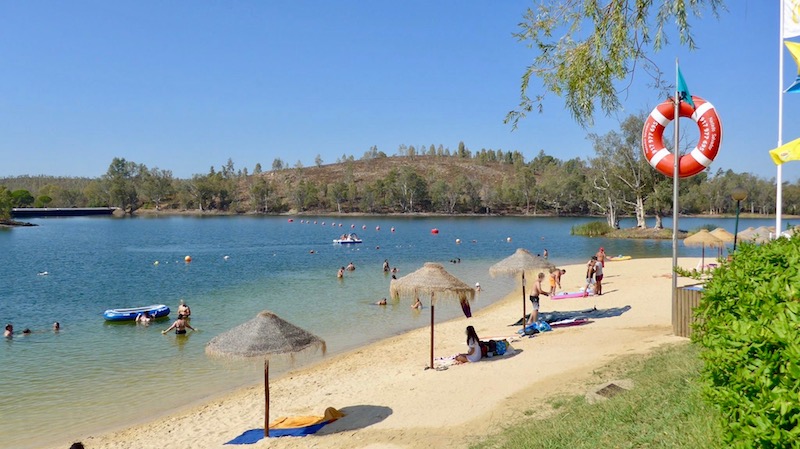

Alentejo River Beach voted the best in Europe
Tapada Grande River Beach in the São Domingos Mine, Mértola municipality, was elected for the first time the best European destination i... -
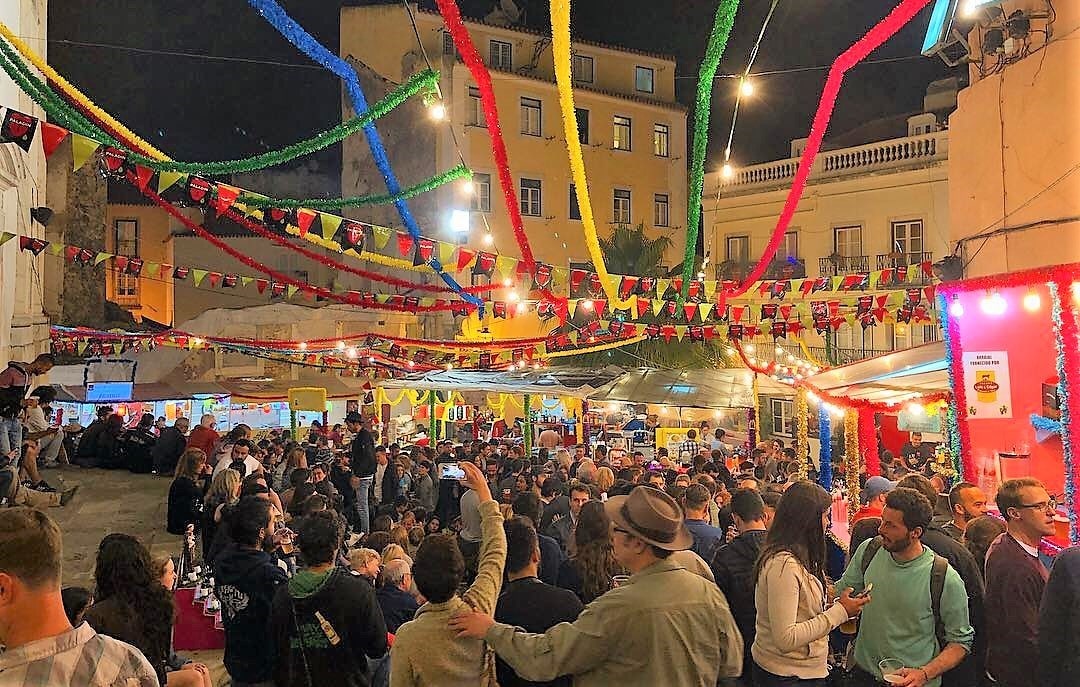
The Festas de Lisboa will have hundreds of free programs. Know them here
Lisbon parties! The most lively June show in the city is about to begin and promises hundreds of free, open-air suggestions every June. &n... -
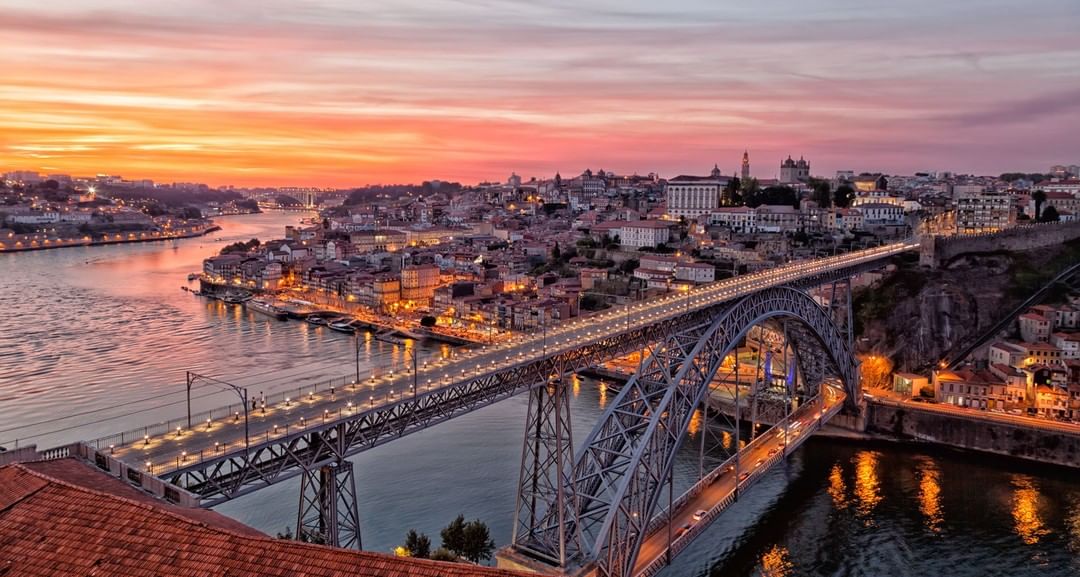
Porto is one of the most passionate and friendly cities in the world.
What are the best cities in the world to live in? The most exciting, fun and affordable? Yes, there are many cities vy... -
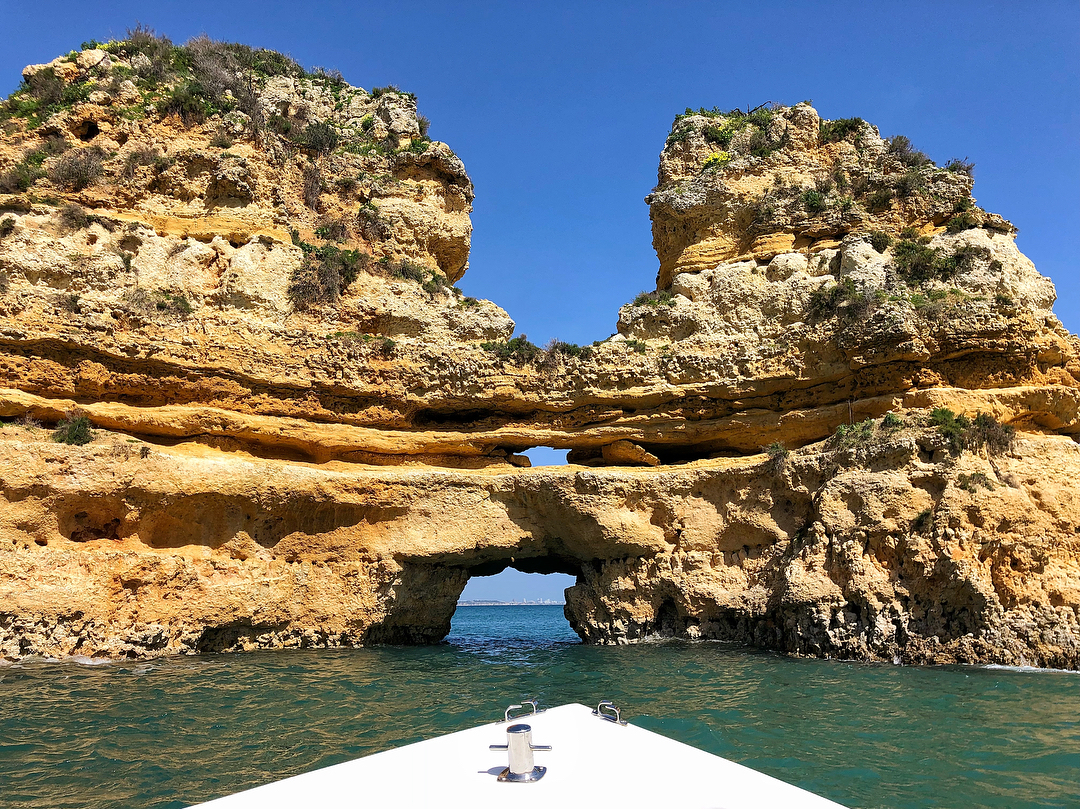
Activities in Portugal, Golf Fishing Water Sports
Fishing - The northern part of Portugal receives abundant rainfall and contains rugged hills and some of the best-supplied streams in the I... -

Imagens da beleza da cidade de Bragança pintada de branco
Imagens de rara beleza da cidade de Bragança pintadade branco. O norte do país está pintado de branco esta quinta-feir... -
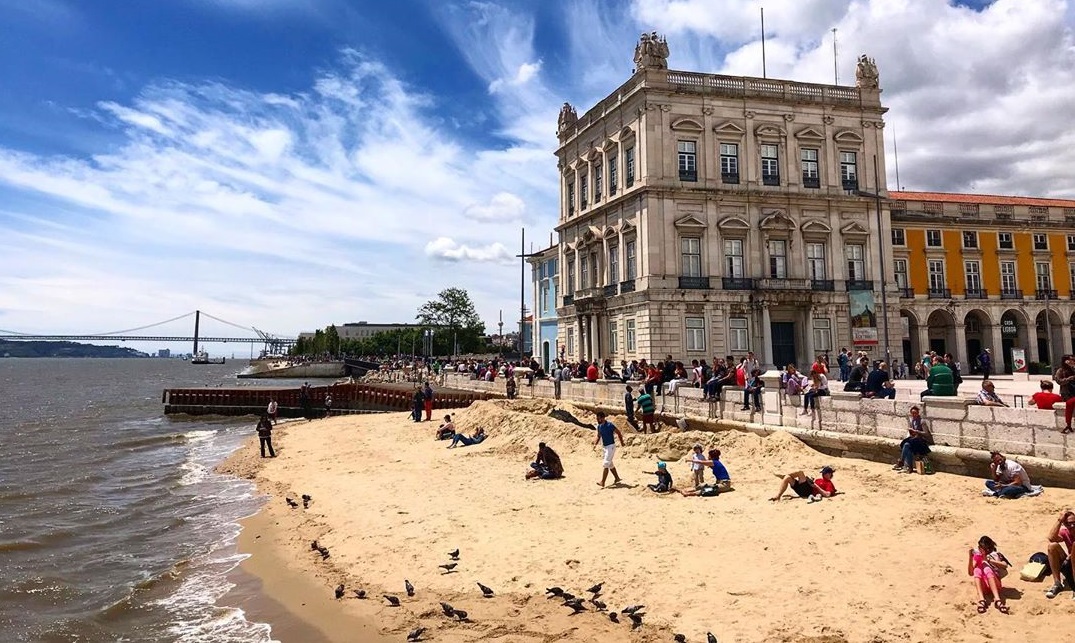
Lisbon is the only capital of europe that has a beach
Ribeira da Naus is one of the most interesting places in Lisbon. Recently rehabilitated, the former Portuguese shipbuilding yard is today a surpr... -
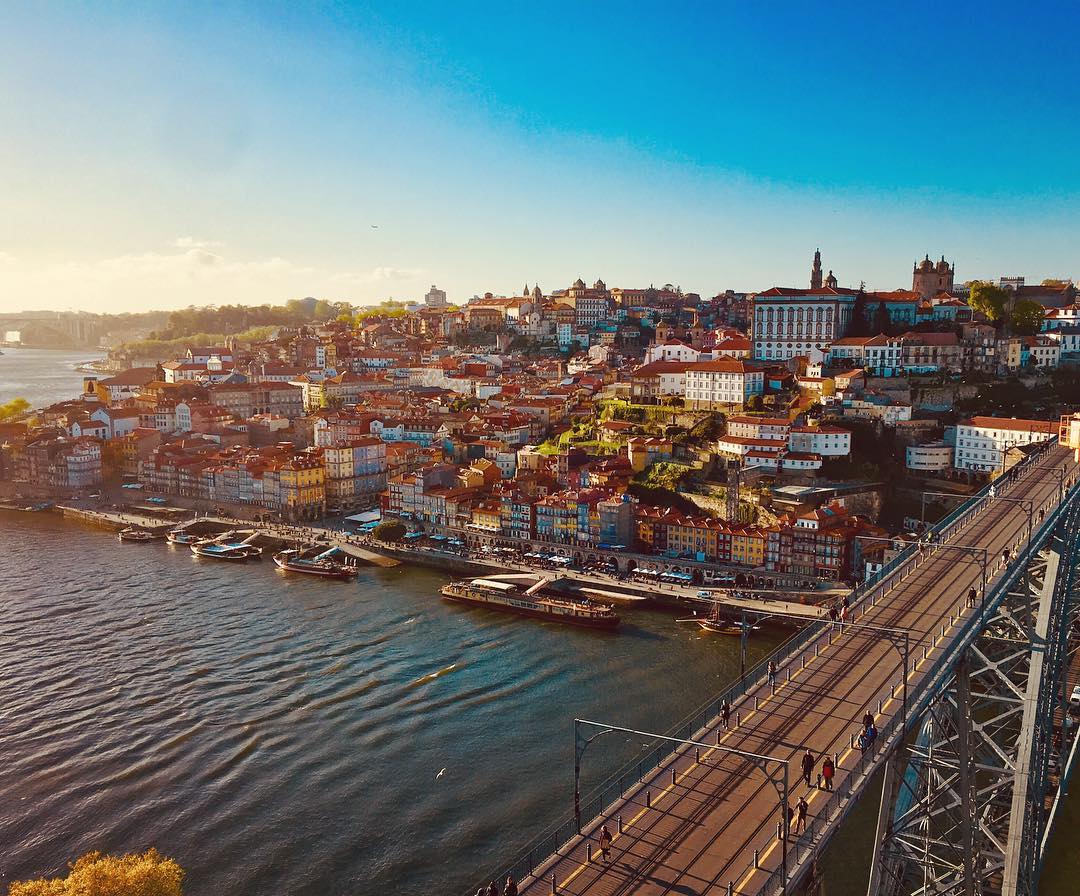
The 8 Most Visited Cities by the Portuguese to Travel for Easter
Are you thinking of traveling during Easter, but still do not know what the best destination to visit in Portugal this holiday season? Find out w... -
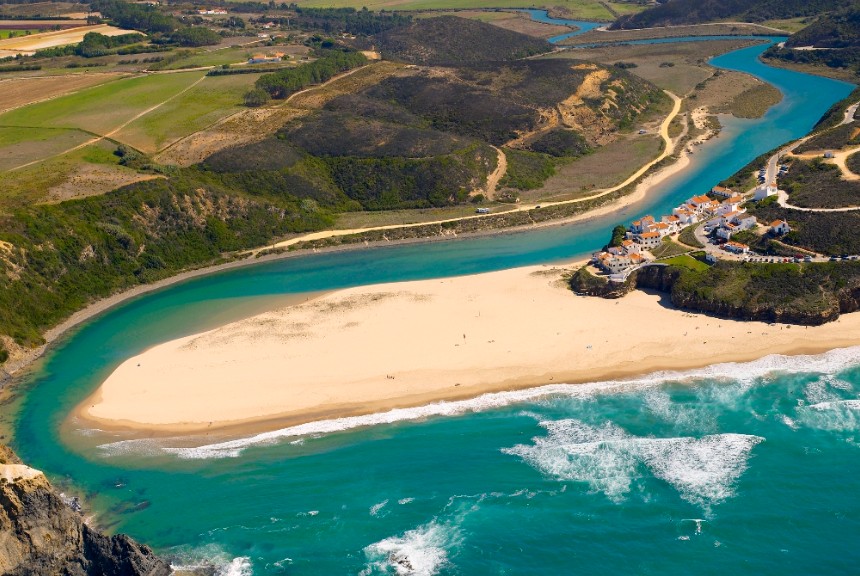
There is a Portuguese beach among the 15 hidden treasures of Europe
European Best Destinationss list of Europes best hidden gems 2019 has proposals for every taste - from houses under rock in Andalusia, to a “hid...