
National Museum of Ancient Art Lisbon Portugal
The National Museum of Ancient Art is the most important art museum of the 12th to 19th centuries in Portugal, hosting the most relevant public collection of ancient art in the country. Its collections - some 40,000 species - include painting, sculpture, drawing and European decorative arts, as well as collections of Asian (u00cdndia, China, Japan) and African (Afro-Portuguese ivory) art representative of the relations that have been established between the Europe and the East following the voyages of discovery - begun in the 15th century and of which Portugal was a pioneer nation.
The museum is located in a late 17th century palace, built by D. Francisco de Tavora, first count of Alvor. The Palace is known as the Palace of Alvor-Pombal because, in 1759, after the Távoras Process, the building was purchased at auction by Paulo de Carvalho and Mendonça, brother of Marquês de Pombal, who, by the death of the former, became the owner. of the palace. In 1879 the palace was rented, and later acquired, by the Portuguese state to install the National Museum of Bellas Arts and Archeology, officially inaugurated on May 11, 1884.
Created in 1884, inhabited for almost 130 years, Alvor Palace and fulfilling more than a century of its current designation, the MNAA-National Museum of Ancient Art houses the most relevant Portuguese public collection, including painting, sculpture, goldsmiths and decorative arts, Europe, Africa and the East.
Composed of over 40,000 items, the MNAA collection comprises the largest number of works classified by the state as “national treasures”. It also encompasses, in the various domains, reference works of the world artistic heritage.
Heritage of History (with emphasis on the incorporation of ecclesiastical goods and those from the royal palaces), the collection of the National Museum of Ancient Art was being enhanced by generous donations and important purchases, illustrating, in a level of objective excellence, the best of all. it was produced or accumulated in Portugal, in the domains mentioned above, between the Middle Ages and the dawn of contemporaneity.
An unavoidable partner in international museum activity, the MNAA historically belongs to the dignity of a normal national museum: this defines the norm, the good practices, once again in line with international standards, whether in conservation and museography. , either within the scope of its education service, pioneer in the country. arteantiga museum
The museum is located in a late 17th century palace, built by D. Francisco de Tavora, first count of Alvor. The Palace is known as the Palace of Alvor-Pombal because, in 1759, after the Távoras Process, the building was purchased at auction by Paulo de Carvalho and Mendonça, brother of Marquês de Pombal, who, by the death of the former, became the owner. of the palace. In 1879 the palace was rented, and later acquired, by the Portuguese state to install the National Museum of Bellas Arts and Archeology, officially inaugurated on May 11, 1884.
Composed of over 40,000 items, the MNAA collection comprises the largest number of works classified by the state as “national treasures”. It also encompasses, in the various domains, reference works of the world artistic heritage.
Heritage of History (with emphasis on the incorporation of ecclesiastical goods and those from the royal palaces), the collection of the National Museum of Ancient Art was being enhanced by generous donations and important purchases, illustrating, in a level of objective excellence, the best of all. it was produced or accumulated in Portugal, in the domains mentioned above, between the Middle Ages and the dawn of contemporaneity.
An unavoidable partner in international museum activity, the MNAA historically belongs to the dignity of a normal national museum: this defines the norm, the good practices, once again in line with international standards, whether in conservation and museography. , either within the scope of its education service, pioneer in the country. arteantiga museum

Outros Artigos Populares no Blogue
-
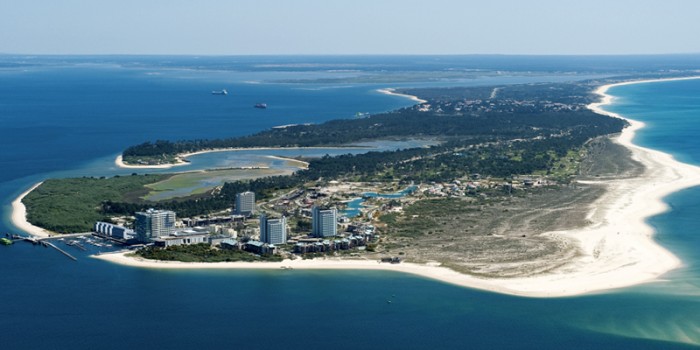

Discover Troia, one of Portugals top golf destinations
The isolated and secluded golf break has never been so close. Just an hours drive from Lisbon, Portugal is TROIA, the laid-back beach retreat off... -

This village was considered one of the most beautiful villages in Portugal
The mythical land of Templars, Dornes, on the banks of the river Zêzere, is full of nooks, crannies and secrets to discover. It is one of t... -
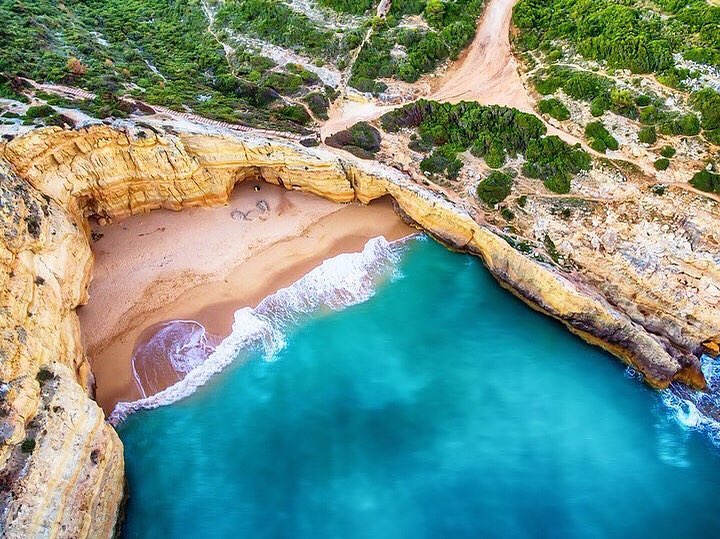
These are the 375 Portuguese gold quality beaches this summer.
Portugal has, in 2019, 375 beaches with gold quality, 15 less than in 2018. The Tagus and West region has the most distinctions. See the full lis... -
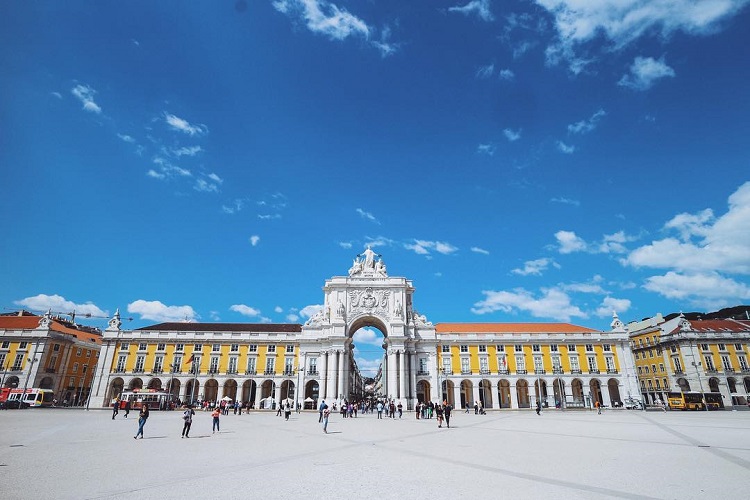
Portugal was elected, for the third consecutive year, the Best European Tourist Destination
Portugal wins 39 awards including Best European Destination for the 3rd consecutive year. Portugal was elected, for the third consecutive yea... -

Santa Luzia Dam River Beach one of the best kept secrets in the north Portugal
This is a magical place, one of the most stunning landscape areas in the municipality of Pampilhosa da Serra and the whole territory of the Schist Vil... -

Braga elected the third city in Europe with the best quality of life Portugal
The northern city has risen 12 positions in the ranking in the last three years. Health, education and housing are the areas that most satisfy th... -
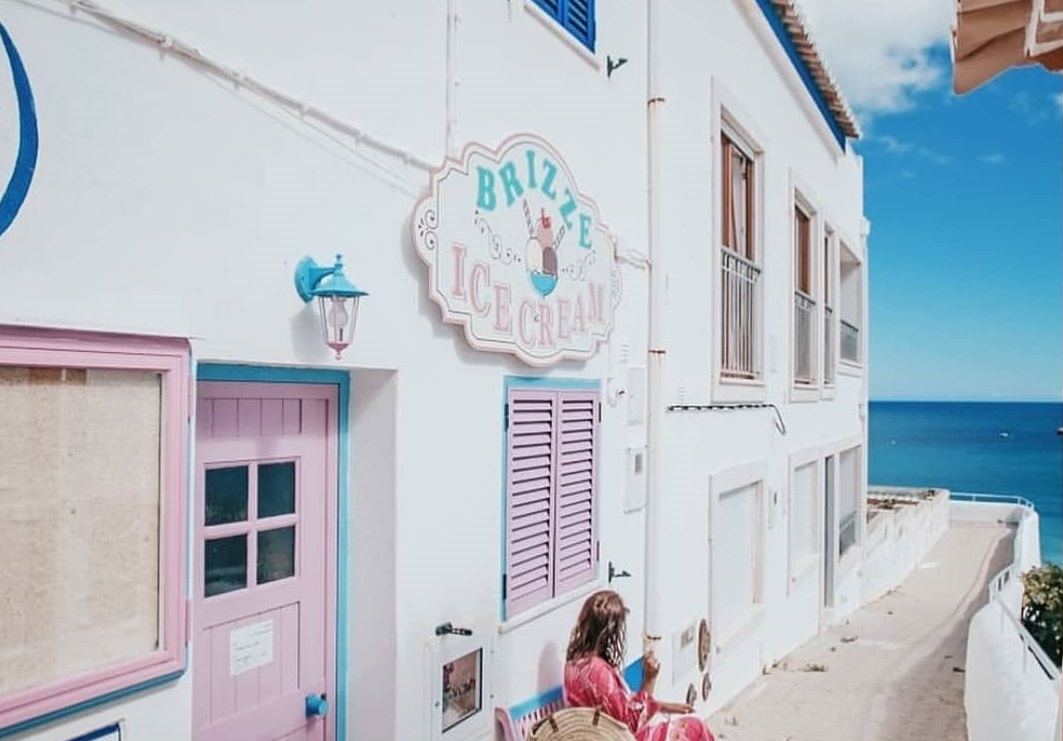
Burgau the Portuguese Santorini the best kept secret ever Algarve
Santorini is probably one of the most idyllic images we all have of Greece or the definition of a dream vacation: a huge cliff full of white and blue ... -

Schist Villages 27 treasures to discover in Central Portugal
The only village with a tree maternity can surprise the visitor who walks its streets The village is of simple urban mesh, corresponding to an access...