
Lisbon Belem National Archaeological Museum Portugal
The National Archaeological Museum (MNA) is the main national archaeological museum in Portugal. Located in Lisbon, the museum was founded in 1893 at the initiative of José Leite de Vasconcelos. The museum is located in the western wing of the Jeronimos Monastery, where the former dormitory of the Monastery was located, in the 19th century neo-Manueline style premises, granted by government decision of November 20, 1900, beginning its transfer in 1903 and opening doors. in 1906.
The MNA results from the effort of José Leite de Vasconcelos (1858-1941) to create a Portuguese Museum of Man. With the patronage of Bernardino Machado, he was created, by royal decree of December 20, 1893, as an Ethnographico Portuguese Museum. As a centenary institution, it has been subordinated to various entities over the years and its name has been changed four times, since 1989 it has been named the National Archaeological Museum of Dr. Leite de Vasconcelos.
In more than a century of existence, this Museum has been the reference institution of Portuguese Archeology with regular correspondence with museums, universities and research centers around the world.
The National Museum of Archeology has been awarded the International Prize "Genius Protector of Colony Augusta Emeritau", awarded by the Roman Studies Foundation and the Friends of the National Museum of Roman Art of Merida, Spain.
Centennial institution, the current National Museum of Archeology (MNA) was founded, in December 1893, by proposal of Leite de Vasconcelos (hence the most complete official designation of the Museum, as published in 1989, in the “Diário da República”: Museu National Archeology, Doctor Leite de Vasconcelos).
The Royal Order, promulgated by King D. Carlos, was signed by two ministers of the government of Hintze Ribeiro, namely João Chagas, Minister of the Kingdom and Bernardino Ribeiro, Minister of Public Works, Commerce and Industry, and political patron of the idea. The relationship of friendship and collaboration between Bernardino Machado and José Leite de Vasconcelos predates the date of the creation of the Museum and will continue until the death of the latter.
In more than a century of existence this Museum has been the reference institution of Portuguese Archeology, with regular correspondence with museums, universities and research centers around the World. The Museums collection brings together the initial collections of the Founder and Estácio da Veiga. To these were added numerous others, some by integration from other state departments (eg archeology collections of the former Portuguese Royal House,
The MNA results from the effort of José Leite de Vasconcelos (1858-1941) to create a Portuguese Museum of Man. With the patronage of Bernardino Machado, he was created, by royal decree of December 20, 1893, as an Ethnographico Portuguese Museum. As a centenary institution, it has been subordinated to various entities over the years and its name has been changed four times, since 1989 it has been named the National Archaeological Museum of Dr. Leite de Vasconcelos.
The National Museum of Archeology has been awarded the International Prize "Genius Protector of Colony Augusta Emeritau", awarded by the Roman Studies Foundation and the Friends of the National Museum of Roman Art of Merida, Spain.
Centennial institution, the current National Museum of Archeology (MNA) was founded, in December 1893, by proposal of Leite de Vasconcelos (hence the most complete official designation of the Museum, as published in 1989, in the “Diário da República”: Museu National Archeology, Doctor Leite de Vasconcelos).
The Royal Order, promulgated by King D. Carlos, was signed by two ministers of the government of Hintze Ribeiro, namely João Chagas, Minister of the Kingdom and Bernardino Ribeiro, Minister of Public Works, Commerce and Industry, and political patron of the idea. The relationship of friendship and collaboration between Bernardino Machado and José Leite de Vasconcelos predates the date of the creation of the Museum and will continue until the death of the latter.

Outros Artigos Populares no Blogue
-
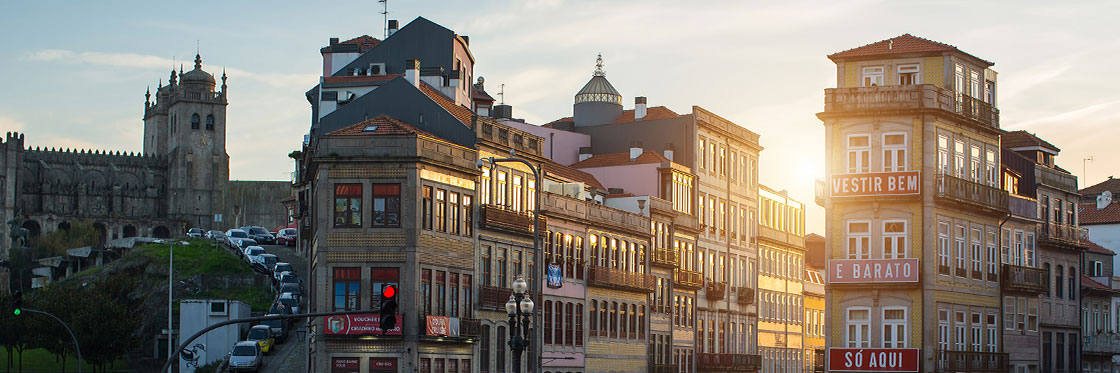

Santa Catarina Street the most beautiful of Porto
Santa Catarina Street Possibly the most emblematic and best known street for trade in Porto. It is home to the famous Majestic café, th... -
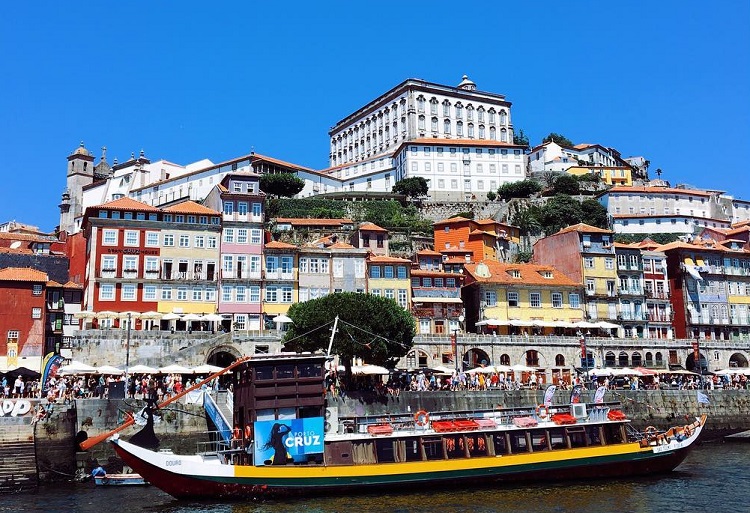
The 8 Best Easter Holidays in Portugal
The celebration of Easter very much marks the traditions of Christian countries, namely Catholics. This is what happens in Portugal, a country of... -
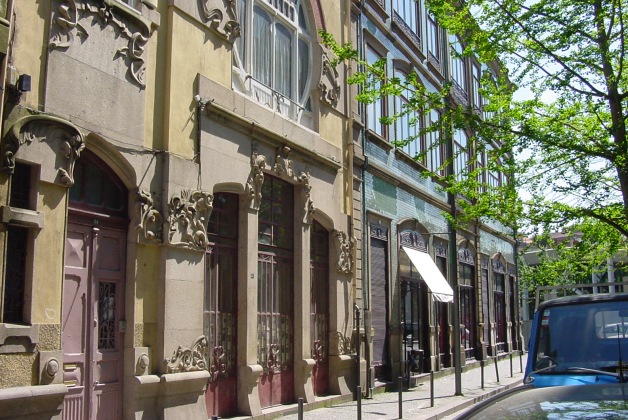
Visit the Paris Gallery Street in Porto Portugal
Opened in 1903, on the block formerly occupied by the Carmelite Convent, the buildings that flank the Rue de la Galeria de Paris are elegant and of go... -
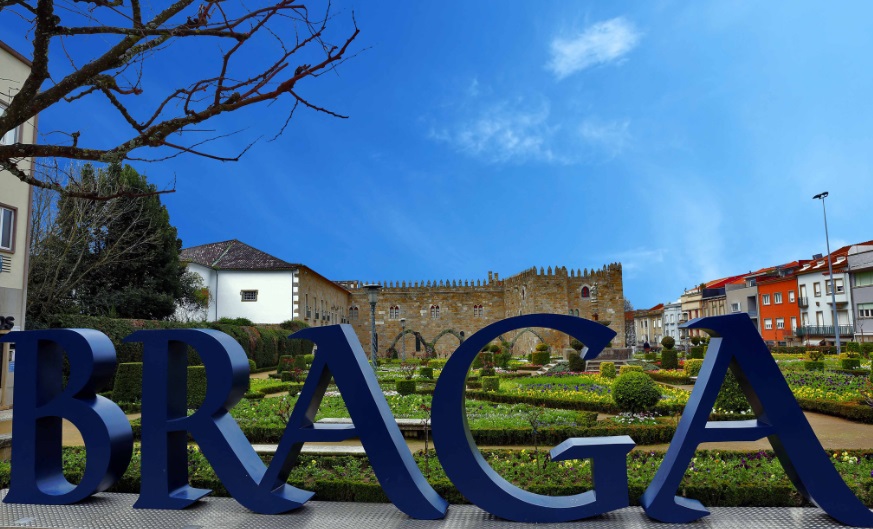
Tourism in Braga Portugal what to visit
With over 2000 years of rich history , Braga is a city of enormous beauty and rich heritage, combining tradition with innovation... -
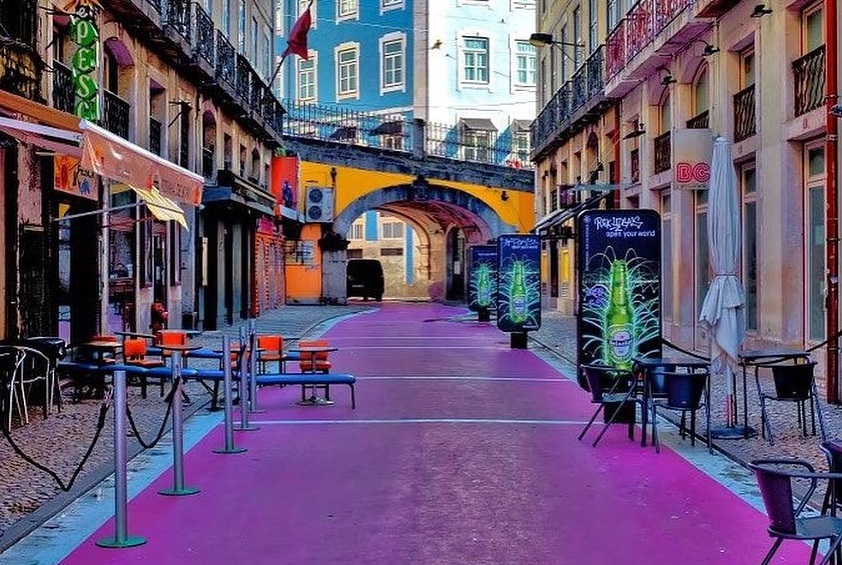
This is one of the 12 best streets in Europe is in Lisbon Rua da Rosa
The Rua Nova do Carvalho was voted one of the 12 favorite streets of the old continent by the New York Times. They are accompanied by ... -

The oldest bookstore in the world is Portuguese
How many stories does the oldest bookstore in the world keep? No one knows, nor can know. Because there are countless memories of a house al... -
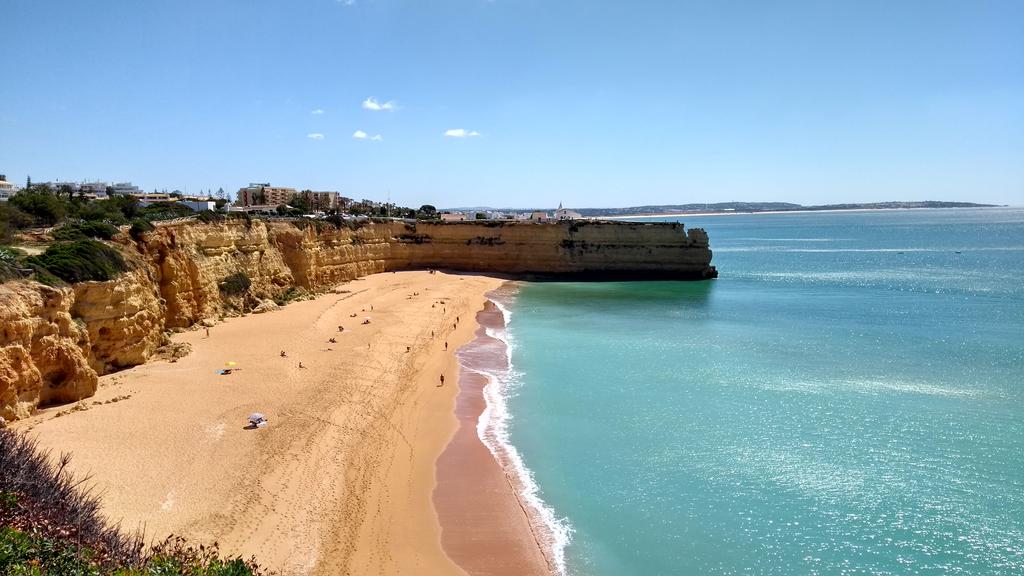
7 fantastic beaches Algarve the perfect trip Portugal
Still wondering where to go for your sun, sea and sand correction this summer? With its spectacular beaches, rugged cliffs and crystal clear wate... -
Everyone is familiar with the modern car, the train or the plane. However, there are some places in the world that depend on other rather unusual...