
Archaeological Museum of Sanfins Citania Paços de Ferreira Portugal
The Archaeological Museum of Citânia is located in Sanfins de Ferreira, near Citânia, in a baroque building known as Casa da Igreja or Solar dos Brandões, which, with the old church and parish residence, constitute an architectural ensemble of local historical interest.
The solar has a very original organization and very marked by the site. The house was made, as inscribed by the inscription, in 1722, and later noble with stone of arms, granted in 1775. From this time, it is the noble portal that closes the courtyard of the house, in the Rococo style, where the large Guns stone.
The old church of Sanfins coexists and marked the former building.
In good granitic apparatus, it was remodeled in 1865, but conserves spaces and remains of the 16th century building, where the 16th century frescoes stand out. In its chancel are still dogs that belonged to an earlier phase of construction, medieval.
The museum was founded on October 18, 1947, occupying a room provided by the owners of the manor, was solemnly opened on January 14, 1984, after the acquisition of the City Hall of Paços de Ferreira.
Designed as a center for the study, conservation, exhibition and enhancement of Citânia de Sanfins and the councils archaeological heritage, this museum is today recognized as a dynamic institution with specialized research, pedagogical support, scientific dissemination and cultural intervention activities, which have been affirmed. of prime importance for the knowledge of our common past.
With the redesign of the Museum in 1995, financially supported by community programs, the exhibition area occupies the main building of Solar dos Brandões. The reserve and the research and administration unit are housed in the former parish residence, and the Old Church serves as an auditorium and temporary exhibition space. In the annexes is located the guards house, accommodation and other support services.
The permanent exhibition shows the collection of the Citânia de Sanfins excavations and the archaeological materials collected in the area of Paços de Ferreira, documenting numerous traces of the communities established in the region since the Neolithic.
The solar has a very original organization and very marked by the site. The house was made, as inscribed by the inscription, in 1722, and later noble with stone of arms, granted in 1775. From this time, it is the noble portal that closes the courtyard of the house, in the Rococo style, where the large Guns stone.
The old church of Sanfins coexists and marked the former building.
In good granitic apparatus, it was remodeled in 1865, but conserves spaces and remains of the 16th century building, where the 16th century frescoes stand out. In its chancel are still dogs that belonged to an earlier phase of construction, medieval.
The museum was founded on October 18, 1947, occupying a room provided by the owners of the manor, was solemnly opened on January 14, 1984, after the acquisition of the City Hall of Paços de Ferreira.
Designed as a center for the study, conservation, exhibition and enhancement of Citânia de Sanfins and the councils archaeological heritage, this museum is today recognized as a dynamic institution with specialized research, pedagogical support, scientific dissemination and cultural intervention activities, which have been affirmed. of prime importance for the knowledge of our common past.
With the redesign of the Museum in 1995, financially supported by community programs, the exhibition area occupies the main building of Solar dos Brandões. The reserve and the research and administration unit are housed in the former parish residence, and the Old Church serves as an auditorium and temporary exhibition space. In the annexes is located the guards house, accommodation and other support services.
The permanent exhibition shows the collection of the Citânia de Sanfins excavations and the archaeological materials collected in the area of Paços de Ferreira, documenting numerous traces of the communities established in the region since the Neolithic.

Outros Artigos Populares no Blogue
-
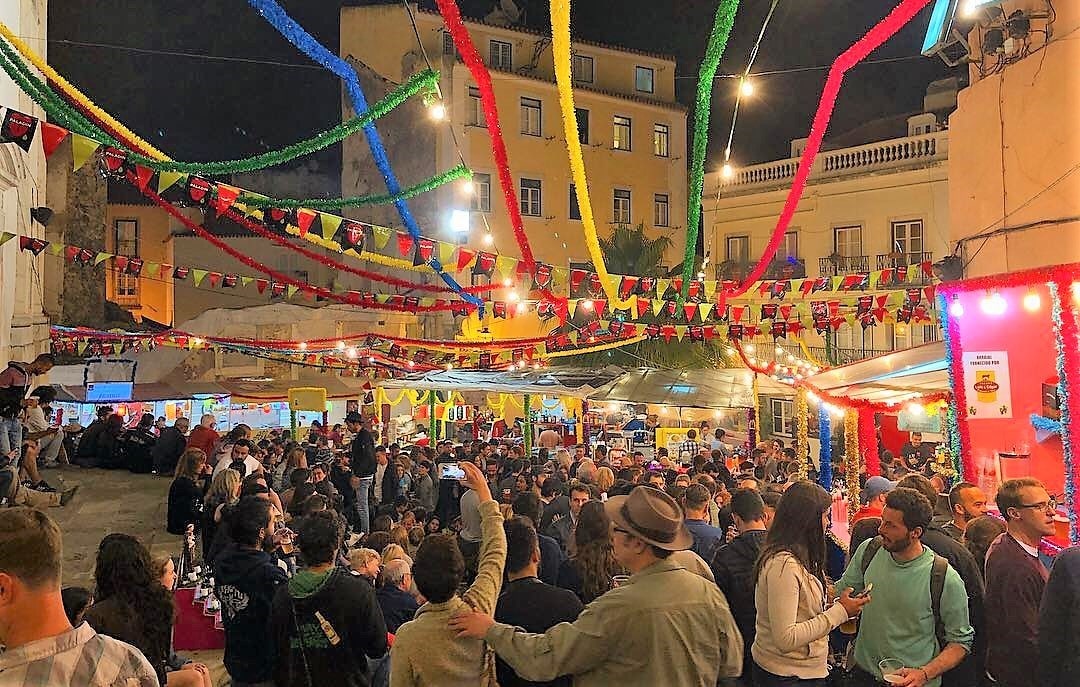

The Festas de Lisboa will have hundreds of free programs. Know them here
Lisbon parties! The most lively June show in the city is about to begin and promises hundreds of free, open-air suggestions every June. &n... -
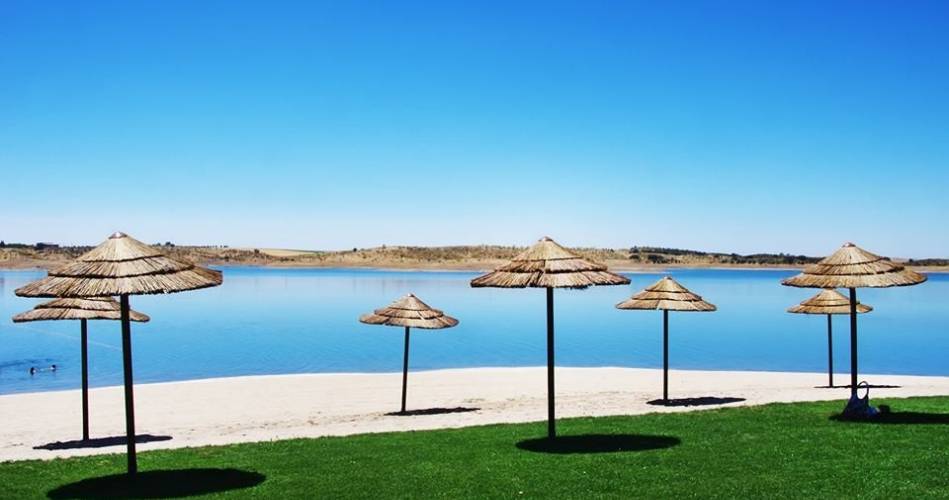
Portugal has one more Amieira beach in Alqueva Alentejo
Praia da Amieira is the third river beach to be born in Alqueva, has a 4,500 square meters lawn and 18,000 square meters of sand, as well as various s... -
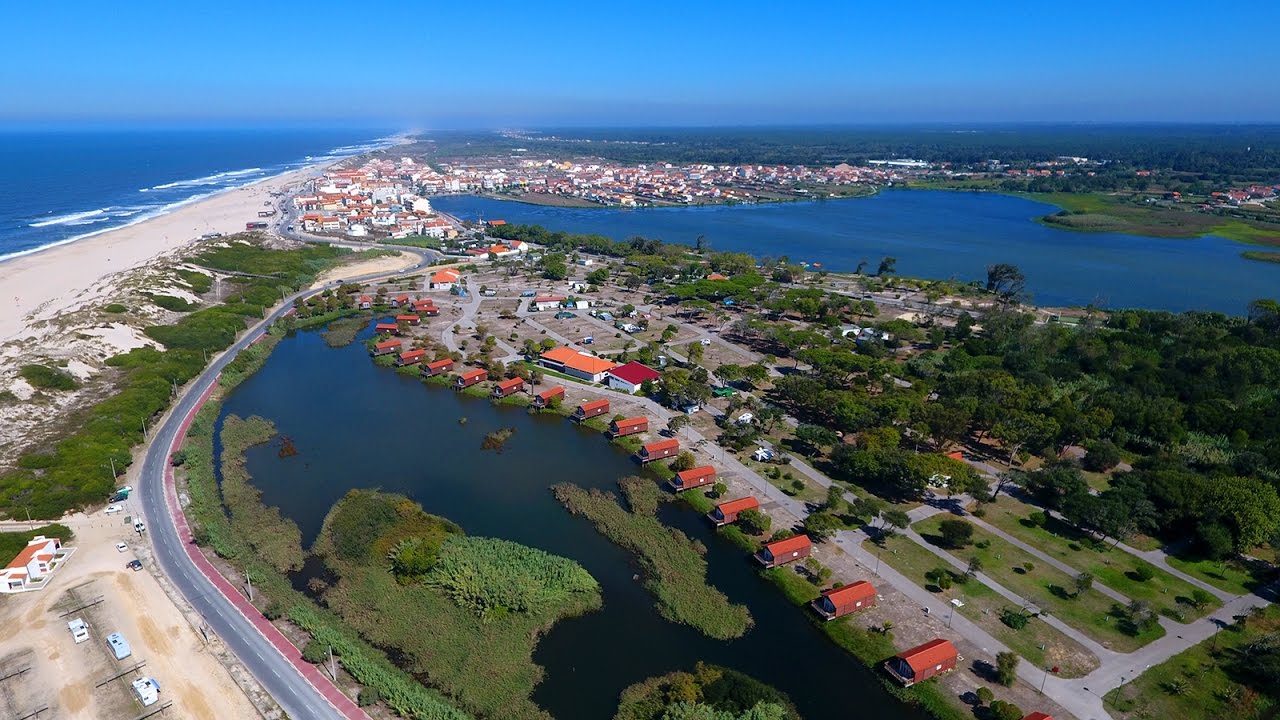
Mira Beach in Portugal the European record holder receives the 33rd Blue Flag
With 33 consecutive years "wearing" in blue, Praia de Mira is Europes record holder of the beaches with the most consecutive years to receive this dis... -
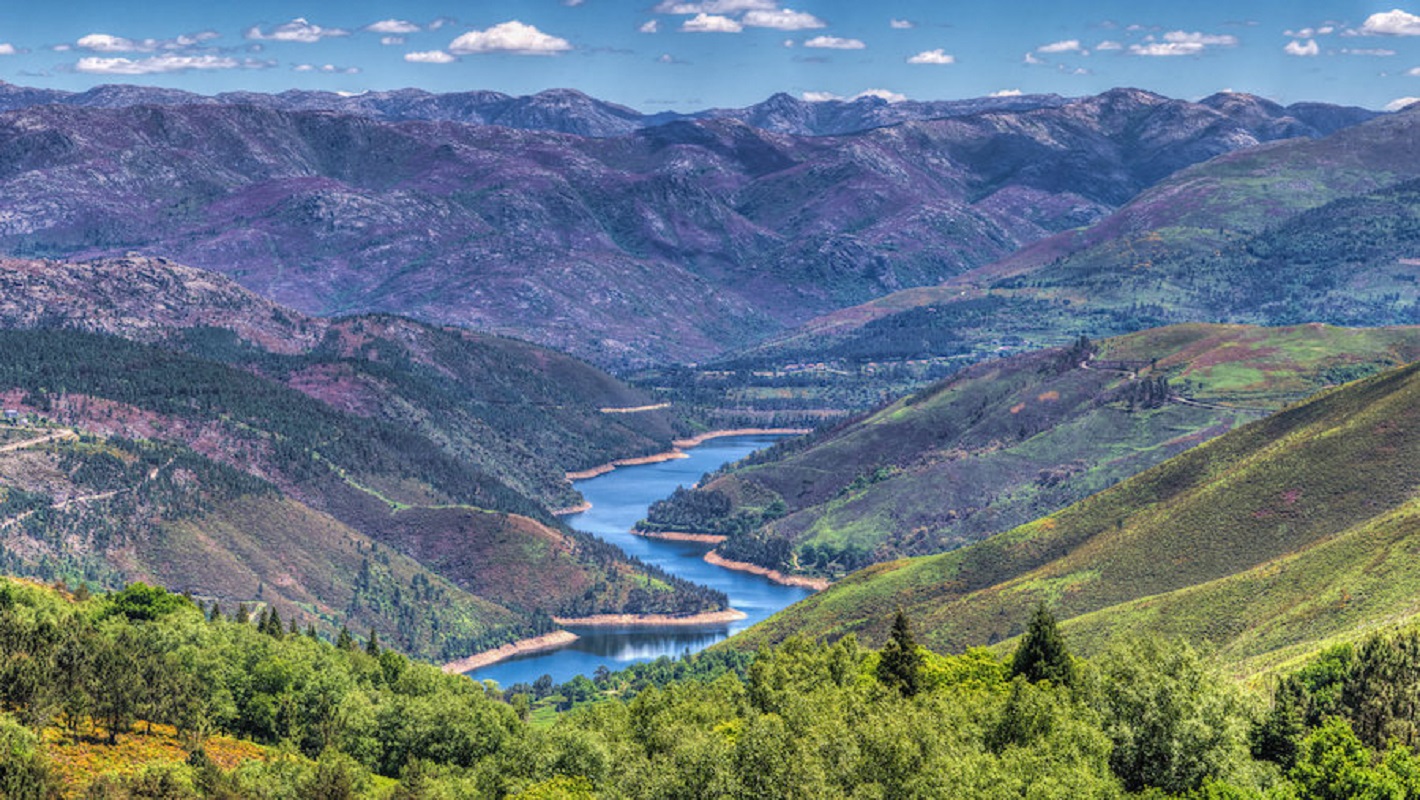
The 10 Most Beautiful Natural Parks in Portugal
In fact, the country is bathed in natural beauty and there are a plethora of unbelievable panoramas and views just waiting to be discovered. With... -

Chefs around the world choose Portuguese Fish as the best in the world
All over the planet, fish caught in Portugal is considered a product of the highest quality. The low salinity and 300 days of sunshine a year... -
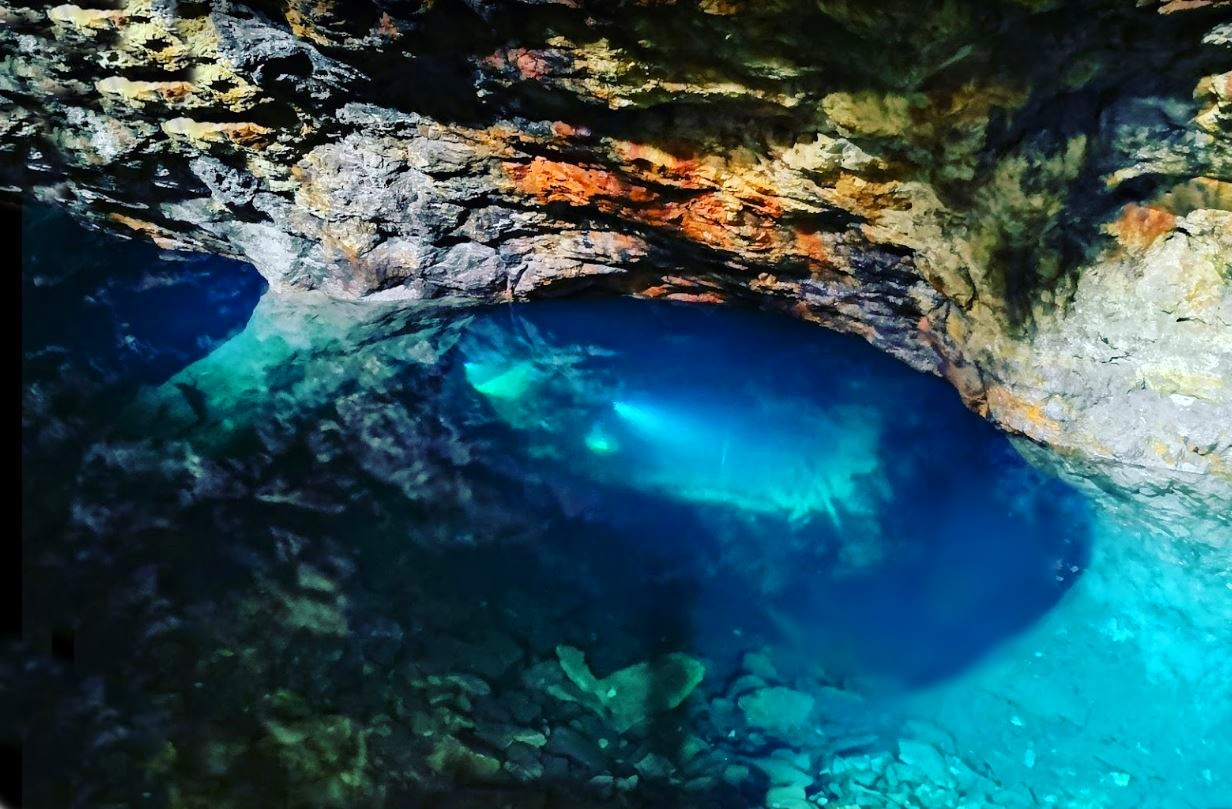
There is a secret cave and a blue lagoon in Portugal which is a true paradise to discover
Composed of the villages of Queiriga, Lousadela, Minas de Lagares and Quintas das Valas, the parish of Queiriga is 6km south of the county. It ha... -
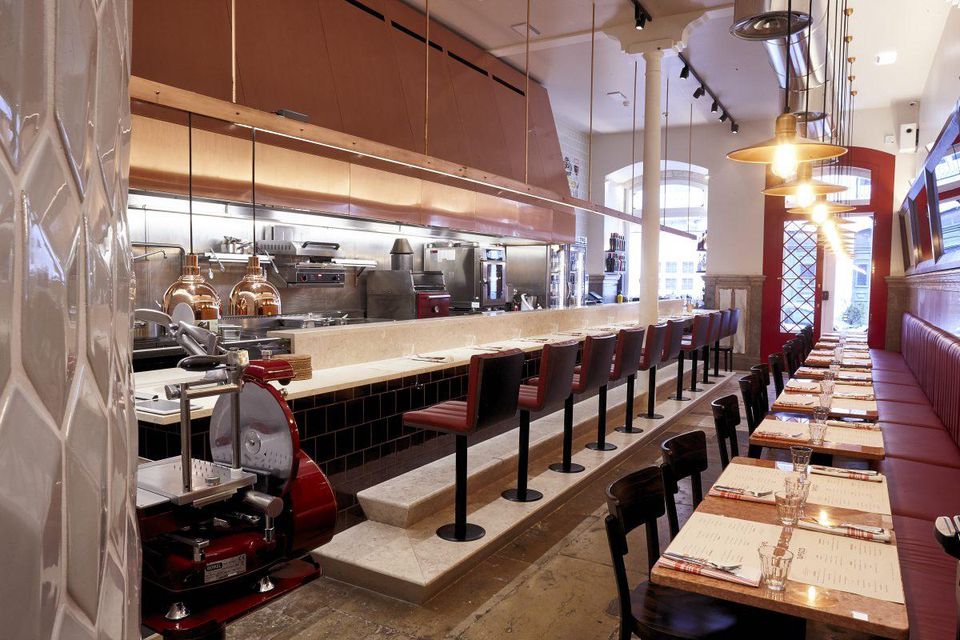
The 8 Best New Restaurants in Lisbon Portugal
Where to eat in Lisbon. Portuguese cuisine is finally reaching its place in the world, with names like José Avillez and Kiko Martins start... -

Top 20 Tourist Attractions in Portugal
Visiting Portugal is discovering a remarkably diverse destination. Inextricably linked to the sea, the country boasts over 800 kilometers of se...