
Archaeological Museum of Sanfins Citania Paços de Ferreira Portugal
The Archaeological Museum of Citânia is located in Sanfins de Ferreira, near Citânia, in a baroque building known as Casa da Igreja or Solar dos Brandões, which, with the old church and parish residence, constitute an architectural ensemble of local historical interest.
The solar has a very original organization and very marked by the site. The house was made, as inscribed by the inscription, in 1722, and later noble with stone of arms, granted in 1775. From this time, it is the noble portal that closes the courtyard of the house, in the Rococo style, where the large Guns stone.
The old church of Sanfins coexists and marked the former building.
In good granitic apparatus, it was remodeled in 1865, but conserves spaces and remains of the 16th century building, where the 16th century frescoes stand out. In its chancel are still dogs that belonged to an earlier phase of construction, medieval.
The museum was founded on October 18, 1947, occupying a room provided by the owners of the manor, was solemnly opened on January 14, 1984, after the acquisition of the City Hall of Paços de Ferreira.
Designed as a center for the study, conservation, exhibition and enhancement of Citânia de Sanfins and the councils archaeological heritage, this museum is today recognized as a dynamic institution with specialized research, pedagogical support, scientific dissemination and cultural intervention activities, which have been affirmed. of prime importance for the knowledge of our common past.
With the redesign of the Museum in 1995, financially supported by community programs, the exhibition area occupies the main building of Solar dos Brandões. The reserve and the research and administration unit are housed in the former parish residence, and the Old Church serves as an auditorium and temporary exhibition space. In the annexes is located the guards house, accommodation and other support services.
The permanent exhibition shows the collection of the Citânia de Sanfins excavations and the archaeological materials collected in the area of Paços de Ferreira, documenting numerous traces of the communities established in the region since the Neolithic.
The solar has a very original organization and very marked by the site. The house was made, as inscribed by the inscription, in 1722, and later noble with stone of arms, granted in 1775. From this time, it is the noble portal that closes the courtyard of the house, in the Rococo style, where the large Guns stone.
The old church of Sanfins coexists and marked the former building.
In good granitic apparatus, it was remodeled in 1865, but conserves spaces and remains of the 16th century building, where the 16th century frescoes stand out. In its chancel are still dogs that belonged to an earlier phase of construction, medieval.
The museum was founded on October 18, 1947, occupying a room provided by the owners of the manor, was solemnly opened on January 14, 1984, after the acquisition of the City Hall of Paços de Ferreira.
Designed as a center for the study, conservation, exhibition and enhancement of Citânia de Sanfins and the councils archaeological heritage, this museum is today recognized as a dynamic institution with specialized research, pedagogical support, scientific dissemination and cultural intervention activities, which have been affirmed. of prime importance for the knowledge of our common past.
With the redesign of the Museum in 1995, financially supported by community programs, the exhibition area occupies the main building of Solar dos Brandões. The reserve and the research and administration unit are housed in the former parish residence, and the Old Church serves as an auditorium and temporary exhibition space. In the annexes is located the guards house, accommodation and other support services.
The permanent exhibition shows the collection of the Citânia de Sanfins excavations and the archaeological materials collected in the area of Paços de Ferreira, documenting numerous traces of the communities established in the region since the Neolithic.

Outros Artigos Populares no Blogue
-
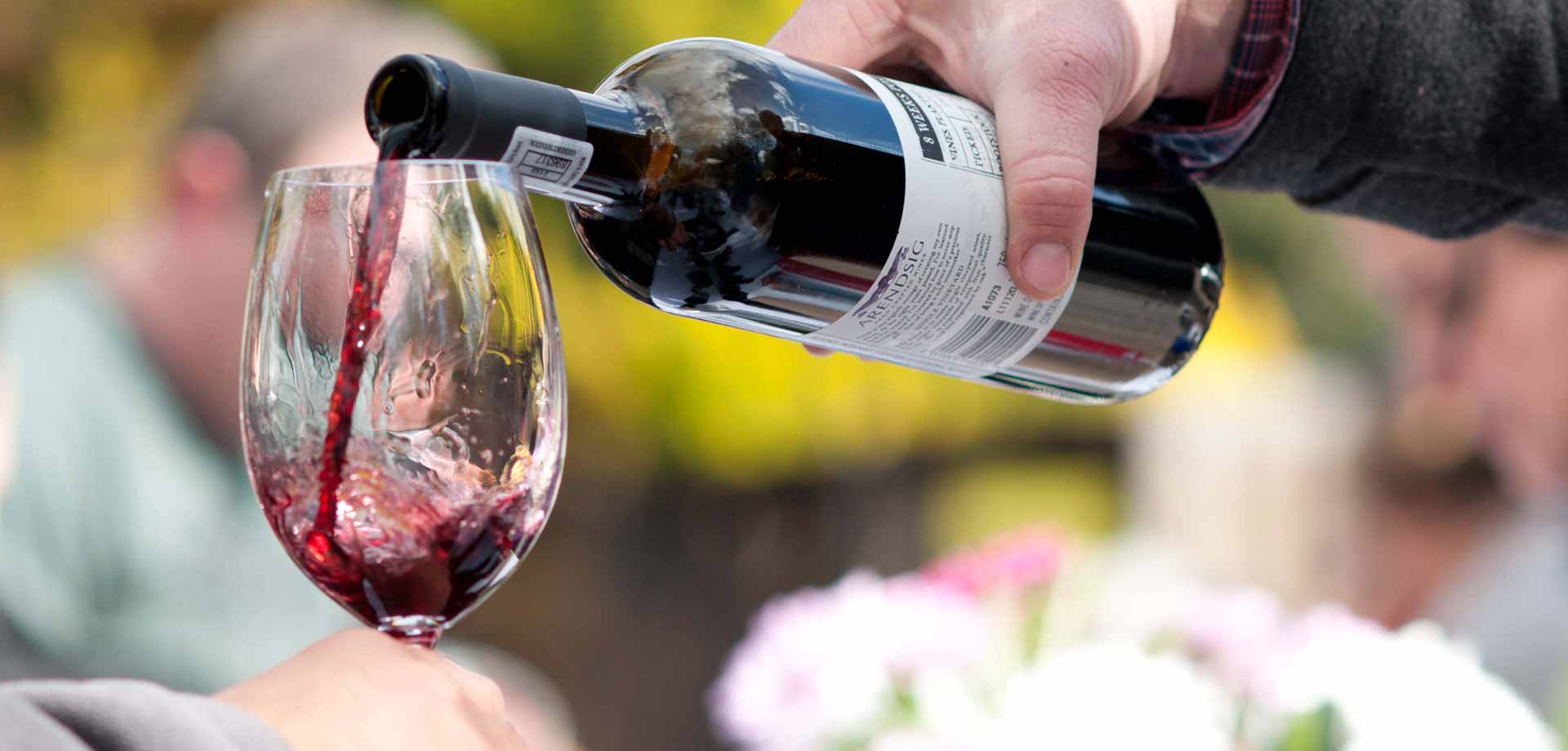

These are the 7 best Portuguese wines of 2019
The Oscars to the Portuguese, but here the main actors are the wines. The 2019 edition of the Wines of Portugal Contest distingu... -
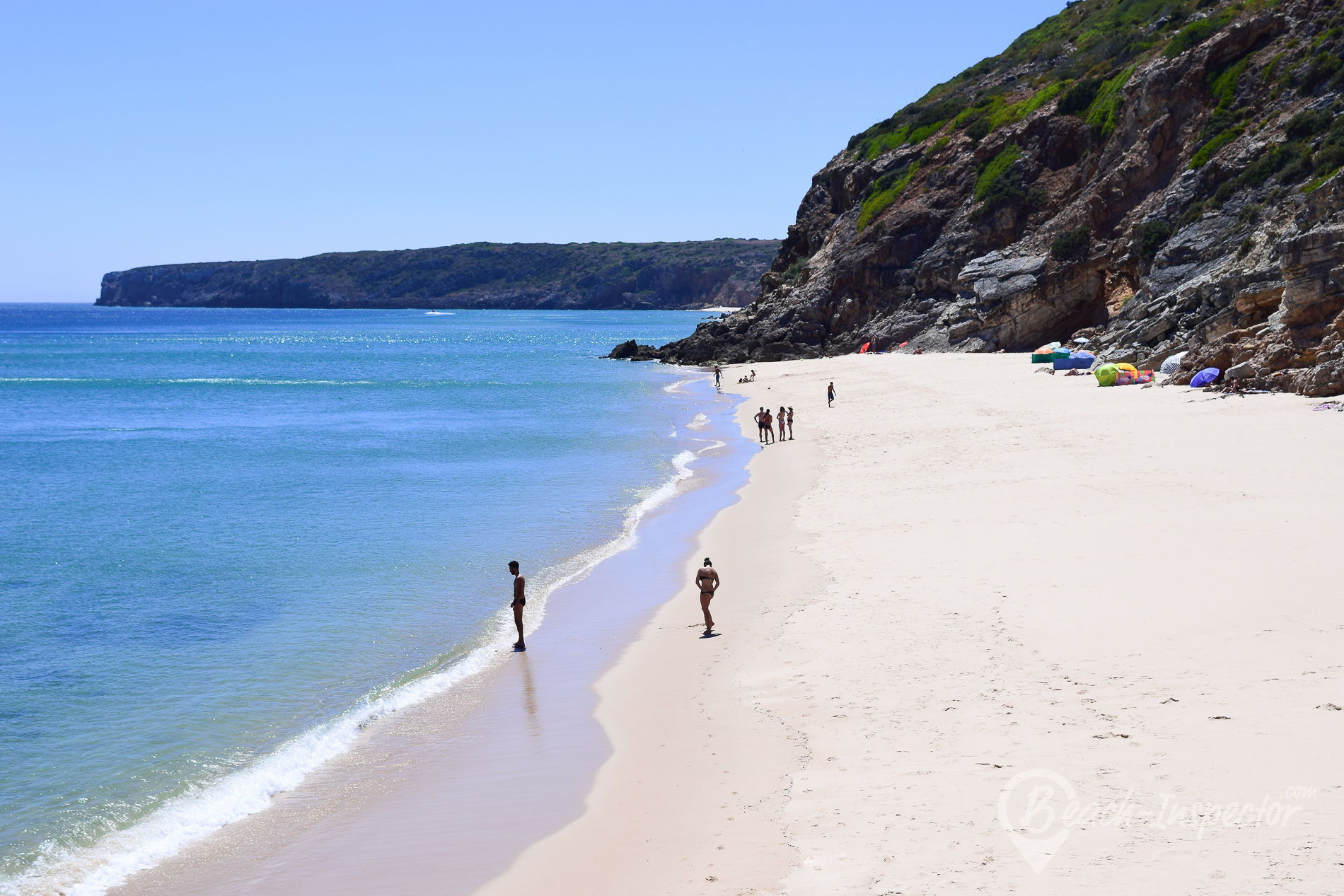
Figueira Beach one of the most secret in the Algarve unique place Portugal
The Figueira Beach is a beach in the town of Budens, Vila do Bispo municipality, Algarve, Portugal. It is located west of S... -
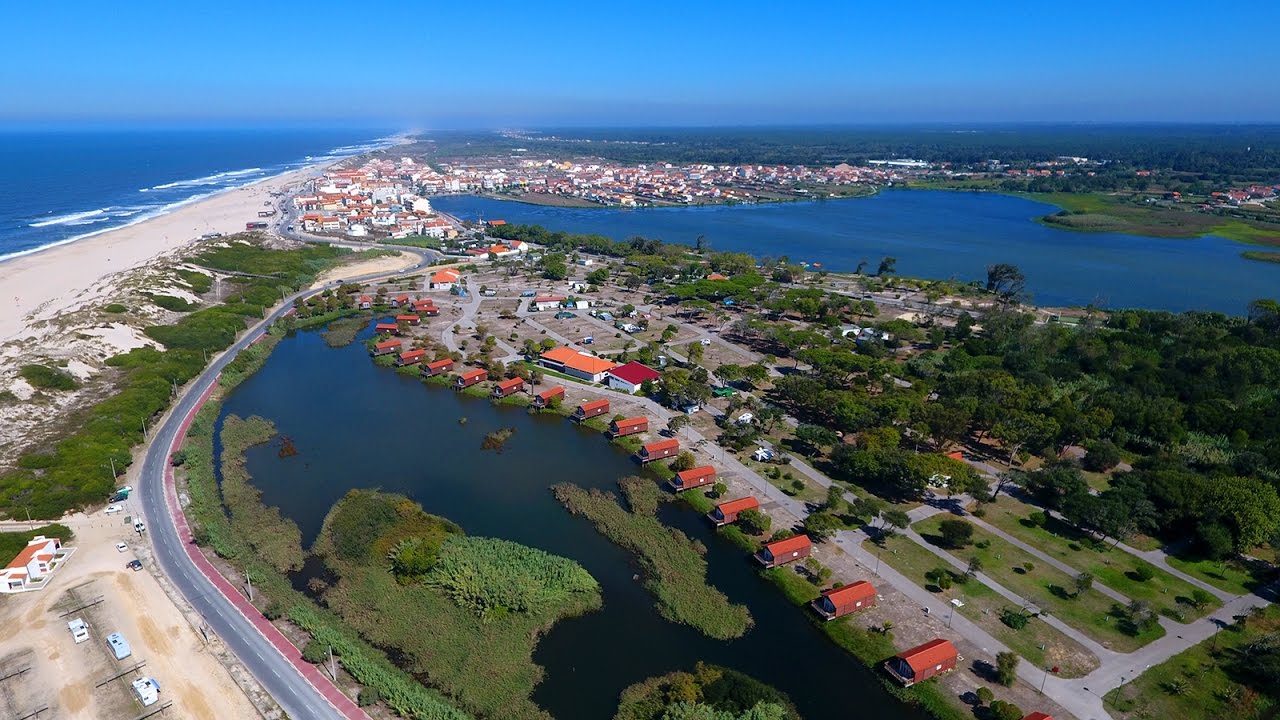
Mira Beach in Portugal the European record holder receives the 33rd Blue Flag
With 33 consecutive years "wearing" in blue, Praia de Mira is Europes record holder of the beaches with the most consecutive years to receive this dis... -
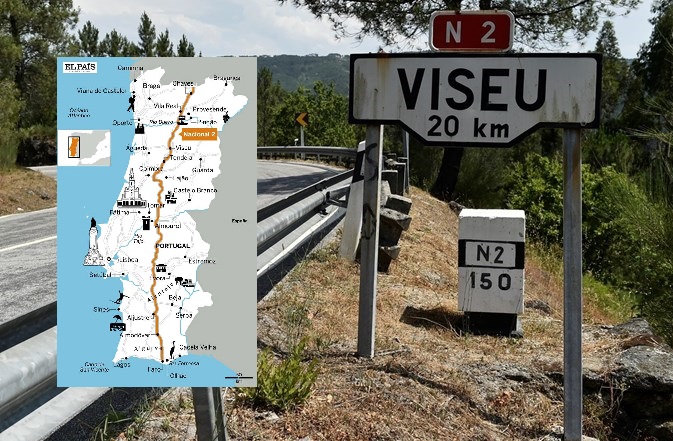
Roud trip 740km the largert rord of Portugal
In Portugal, National Road 2 is the longest. There are 738.5 kilometers of tar that connect the city of Chaves to Faro, a route that leads from n... -
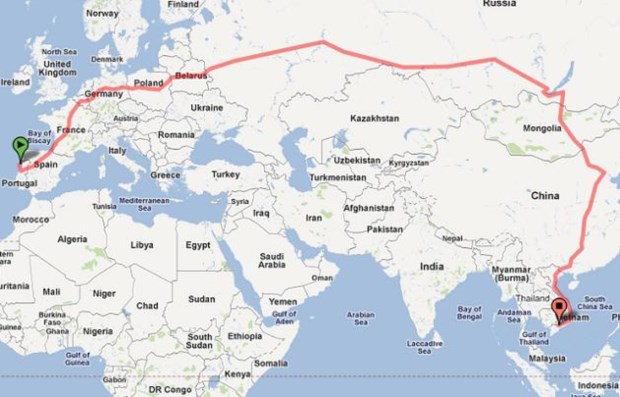
The longest train journey in the world starts in Portugal
The longest train ride in the world connects Portugal to southern Vietnam. The route is not new, but again made to talk on social networks this M... -
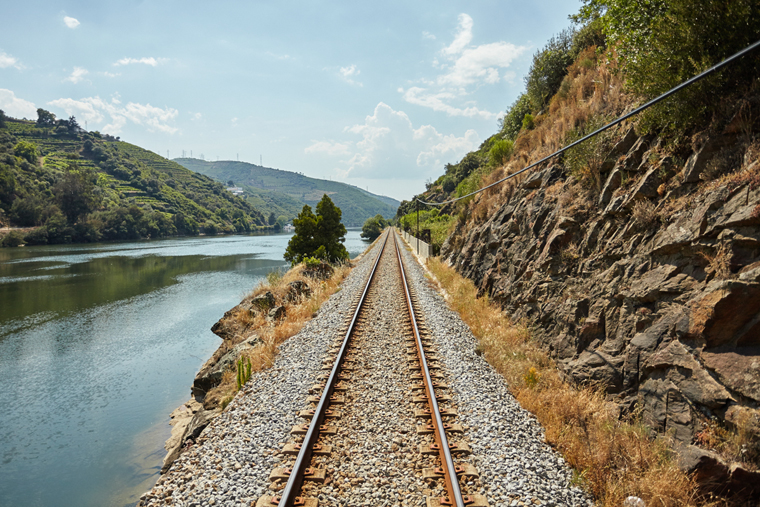
This is the most beautiful line in Portugal and one of the most beautiful in Europe
Ligação ferroviária de 36 quilómetros, entre a Régua e o Tua, Da Régua ao Pinhão e daí at... -
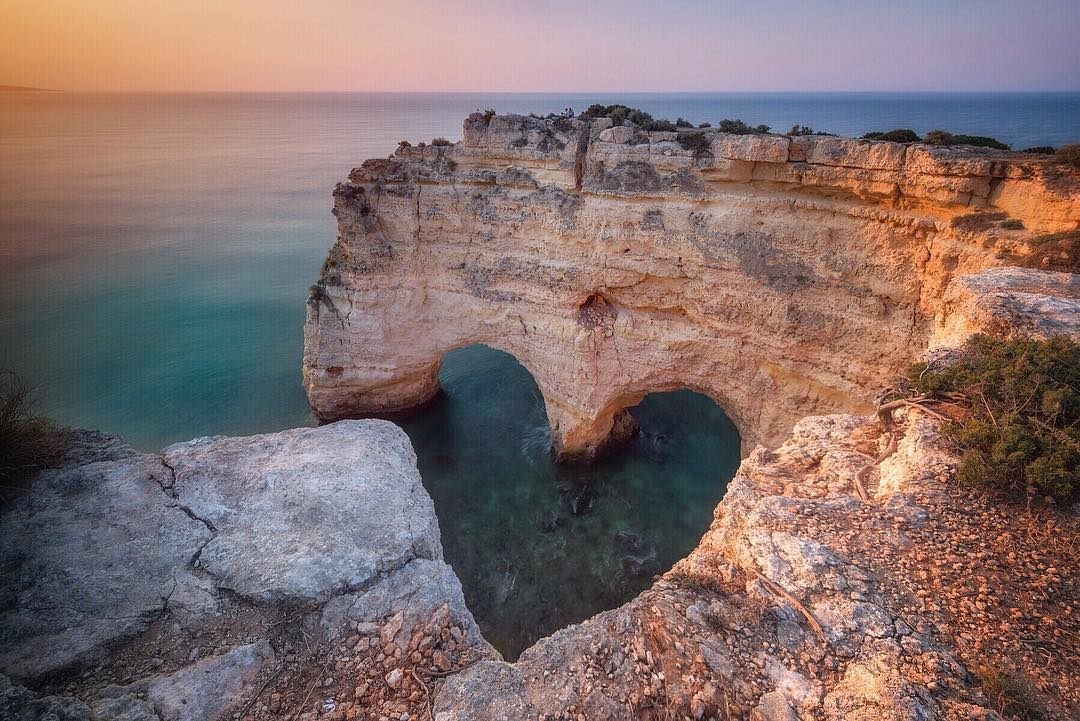
These are the best beaches in the world according to Tripadvisor 1 is Portuguese
10. Seven Mile Beach, Jamaica The gentle swaying waves of this beach of white sand and crystal clear water could very wel... -
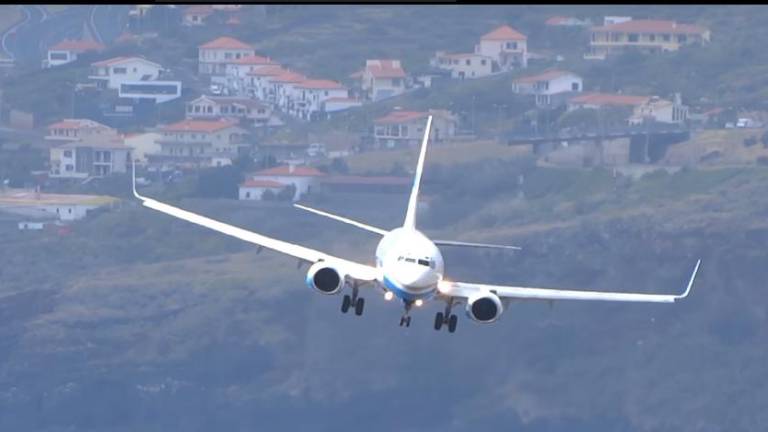
These are the 11 most dangerous airports in the world Portugal is on the List island Madeira
1. Princess Juliana International Airport, St. Maarten, Caribbean Vacationers flock to the Caribbean for a relaxed vacation. But getting to the ...