
National Museum of Ancient Art Lisbon Portugal
The National Museum of Ancient Art is the most important art museum of the 12th to 19th centuries in Portugal, hosting the most relevant public collection of ancient art in the country. Its collections - some 40,000 species - include painting, sculpture, drawing and European decorative arts, as well as collections of Asian (u00cdndia, China, Japan) and African (Afro-Portuguese ivory) art representative of the relations that have been established between the Europe and the East following the voyages of discovery - begun in the 15th century and of which Portugal was a pioneer nation.
The museum is located in a late 17th century palace, built by D. Francisco de Tavora, first count of Alvor. The Palace is known as the Palace of Alvor-Pombal because, in 1759, after the Távoras Process, the building was purchased at auction by Paulo de Carvalho and Mendonça, brother of Marquês de Pombal, who, by the death of the former, became the owner. of the palace. In 1879 the palace was rented, and later acquired, by the Portuguese state to install the National Museum of Bellas Arts and Archeology, officially inaugurated on May 11, 1884.
Created in 1884, inhabited for almost 130 years, Alvor Palace and fulfilling more than a century of its current designation, the MNAA-National Museum of Ancient Art houses the most relevant Portuguese public collection, including painting, sculpture, goldsmiths and decorative arts, Europe, Africa and the East.
Composed of over 40,000 items, the MNAA collection comprises the largest number of works classified by the state as “national treasures”. It also encompasses, in the various domains, reference works of the world artistic heritage.
Heritage of History (with emphasis on the incorporation of ecclesiastical goods and those from the royal palaces), the collection of the National Museum of Ancient Art was being enhanced by generous donations and important purchases, illustrating, in a level of objective excellence, the best of all. it was produced or accumulated in Portugal, in the domains mentioned above, between the Middle Ages and the dawn of contemporaneity.
An unavoidable partner in international museum activity, the MNAA historically belongs to the dignity of a normal national museum: this defines the norm, the good practices, once again in line with international standards, whether in conservation and museography. , either within the scope of its education service, pioneer in the country. arteantiga museum
The museum is located in a late 17th century palace, built by D. Francisco de Tavora, first count of Alvor. The Palace is known as the Palace of Alvor-Pombal because, in 1759, after the Távoras Process, the building was purchased at auction by Paulo de Carvalho and Mendonça, brother of Marquês de Pombal, who, by the death of the former, became the owner. of the palace. In 1879 the palace was rented, and later acquired, by the Portuguese state to install the National Museum of Bellas Arts and Archeology, officially inaugurated on May 11, 1884.
Composed of over 40,000 items, the MNAA collection comprises the largest number of works classified by the state as “national treasures”. It also encompasses, in the various domains, reference works of the world artistic heritage.
Heritage of History (with emphasis on the incorporation of ecclesiastical goods and those from the royal palaces), the collection of the National Museum of Ancient Art was being enhanced by generous donations and important purchases, illustrating, in a level of objective excellence, the best of all. it was produced or accumulated in Portugal, in the domains mentioned above, between the Middle Ages and the dawn of contemporaneity.
An unavoidable partner in international museum activity, the MNAA historically belongs to the dignity of a normal national museum: this defines the norm, the good practices, once again in line with international standards, whether in conservation and museography. , either within the scope of its education service, pioneer in the country. arteantiga museum

Outros Artigos Populares no Blogue
-

Gastronomy in Portugal for travelers
In her book Invitation to Portugal, Mary Jean Kempner reaches the heart of the Portuguese diet: "The best Portuguese food is provincia... -
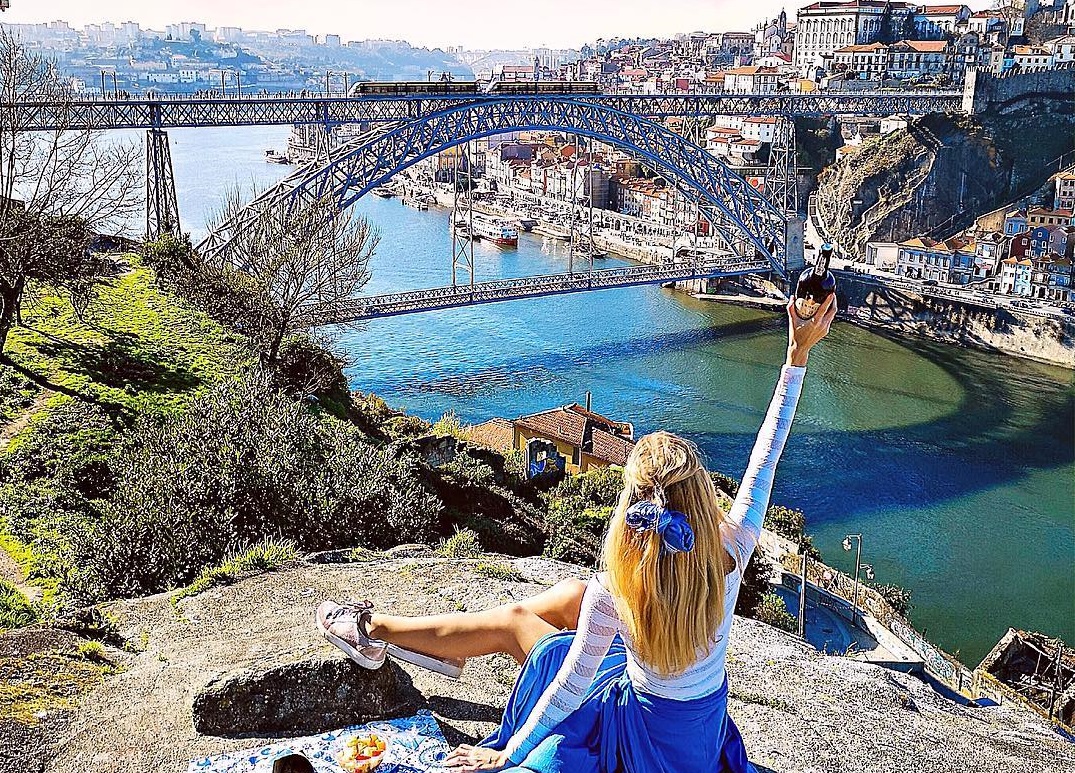
Porto voted the best city in Europe to visit in 2019 Portugal
Porto was voted the best European city to visit in 2019 - and the second in the world by Culture Trip experts and users. Culture Trip... -
Tips for Disabled Travelers in Portugal
Most disabilities should not prevent anyone from traveling. Due to Portugals many hills and numerous flights of stairs, disabled visitors may hav... -
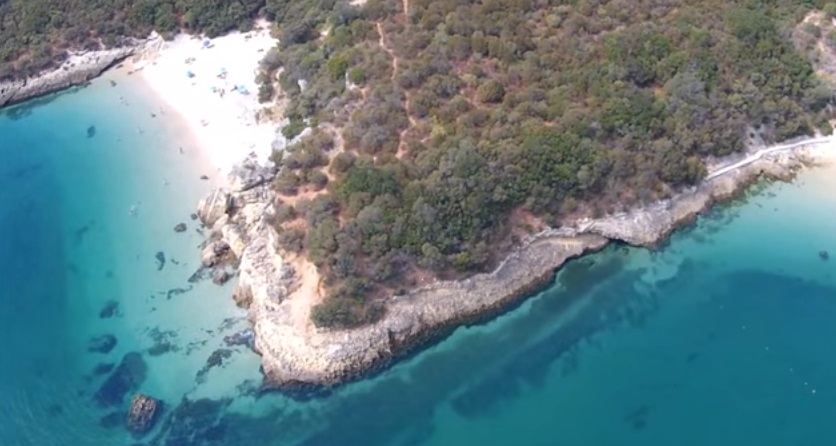
Is considered the most beautiful wild beach of Portugal a paradise of crystal clear waters
This wild beach is located in a small cove at the foot of the Arrábida mountain range. Access is by rail. Parking is limited and visitors... -
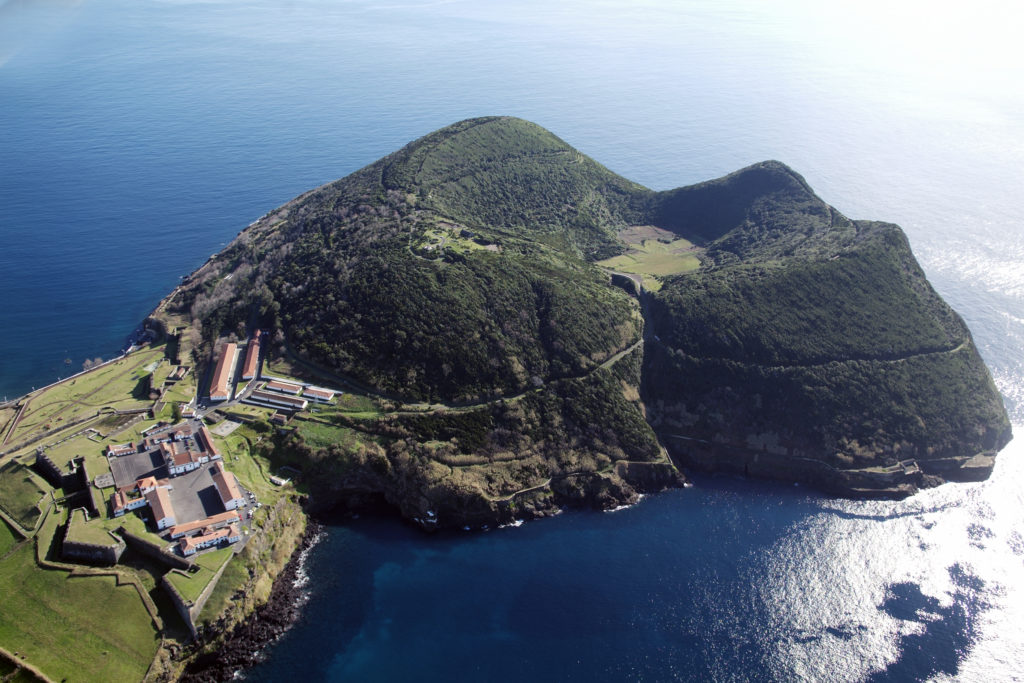
Monte Brasil is in Portugal and is an almost unknown pearl Island Azores
Always present south of the city are the remains of a cone created after the ancient eruption of the Guilherme Moniz volcano. This is at the end of a... -
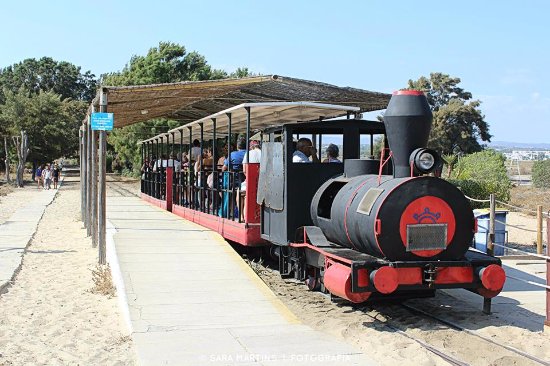
Praia do Barril in Algarve white sandy beach and gentle sea reached by train
Praia do Barril Beach is located in the middle of Tavira Island, a narrow tongue of fine white sand. When accessing the beach it is possible to m... -
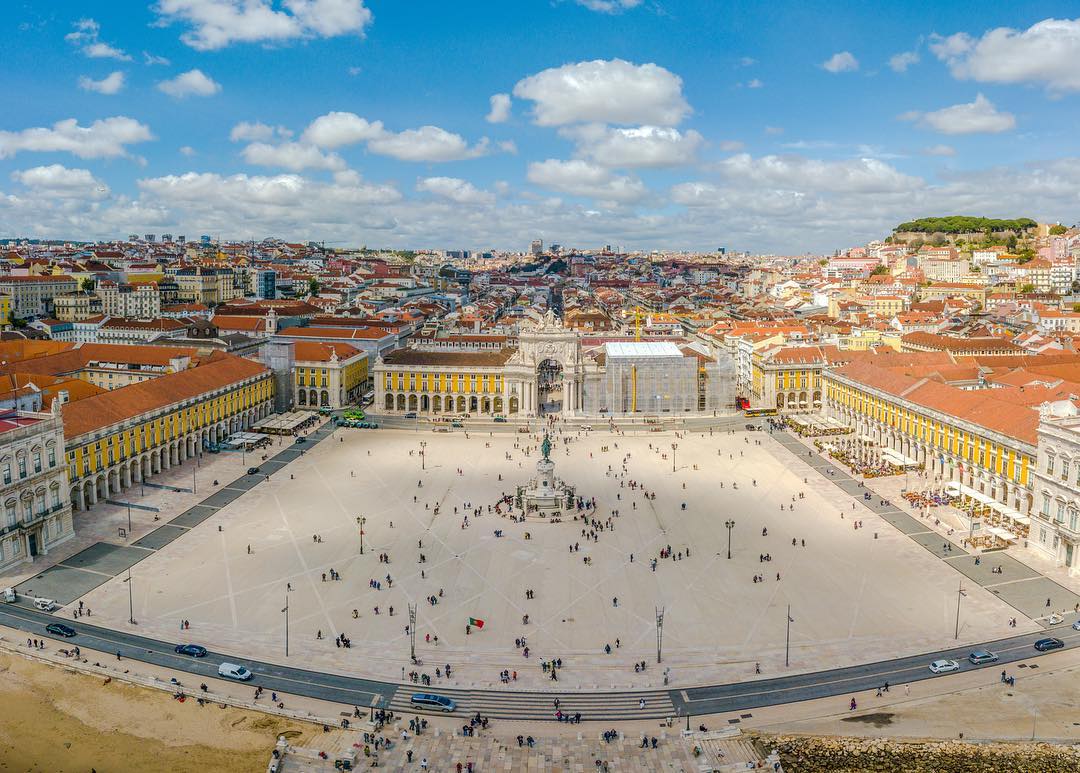
5 things that all tourists buy in Portugal
Here is a list of some of the most charming artifacts and crafts produced in Portugal:Arraiolos Rugs: The Moorish traditions that once prevailed in th... -

The 4 Best Day Trips from Lisbon Portugal
There is a lot to see and do in Lisbon, but if you want to escape the city for a day, traveling to nearby Portuguese towns and villages is too easy.&n...