
Pharmacy Museum Lisbon Portugal
The Pharmacy Museum located in the National Pharmacy Association building in Santa Catarina (Lisbon) was opened in June 1996.
The first pieces that gave rise to this museum were those donated to the National Pharmacy Association by Dr. Salgueiro Basso, followed by several donations from other associate pharmacists and other institutions.
The collection of this museum represents 5000 years of Health history and is made up of numerous pieces from different geographical origins (Egypt, Rome, Mesopotamia, etc.). Of note is the reconstitution of four Pharmacies, such as a Macao Pharmacy, as well as an 18th century portable pharmacy and portable pharmacy carried aboard the Space Shuttle Endeavor on the STS-97 mission. It also shows various machines and apparatus used by apothecaries in the manufacture and storage of medicines, such as mortars, apothecary vessels, glass pharmacy bottles, scales, matrices, portable pharmacy used by Roald Amundsen on the expedition to the North Pole in 1911, portable pharmacy used by Carlos Sousa at Lisboa Dakar 2006, etc. One of the rarest pieces on display is a Goa Stone.
The Museum of Pharmacy can also be visited in Porto (Zona Industrial - Ramalde), whose collection covers 500 million years of the history of mans struggle to cure disease and relieve pain. The collection brings together objects of rare historical, artistic, anthropological and scientific value from civilizations and cultures as distant in time and space as Mesopotamia, Egypt, Greece, Rome, the Incas, Aztecs, Islam, Africa, Tibet, China, Japan, among others. The heritage of the Portuguese pharmacy is represented by the excellent reconstitution of the Estácio do Porto Pharmacy, which was located at Rua Sá da Bandeira.
Correios de Portugal published a stamp collection with images of some pieces from the Pharmacy Museum
The first pieces that gave rise to this museum were those donated to the National Pharmacy Association by Dr. Salgueiro Basso, followed by several donations from other associate pharmacists and other institutions.
The Museum of Pharmacy can also be visited in Porto (Zona Industrial - Ramalde), whose collection covers 500 million years of the history of mans struggle to cure disease and relieve pain. The collection brings together objects of rare historical, artistic, anthropological and scientific value from civilizations and cultures as distant in time and space as Mesopotamia, Egypt, Greece, Rome, the Incas, Aztecs, Islam, Africa, Tibet, China, Japan, among others. The heritage of the Portuguese pharmacy is represented by the excellent reconstitution of the Estácio do Porto Pharmacy, which was located at Rua Sá da Bandeira.
Correios de Portugal published a stamp collection with images of some pieces from the Pharmacy Museum
The theme of Pharmacy and Health is approached with extremely high quality pieces from civilizations and cultures as distant in time and space as Mesopotamia, Egypt, Greece, Rome, the Incas, Aztecs, Islam, Tibet, China, Japan, and finally the European Pharmacy from the Middle Ages until 1929, with the isolation of penicillin by the English scientist Fleming.
The exhibition ends with the display of the portable pharmacies used on the Space Shuttle Endeavor on the last trip of the millennium (December 2000), along with medicines from Orbital Mir Station and the food of Russian astronauts.

Outros Artigos Populares no Blogue
-
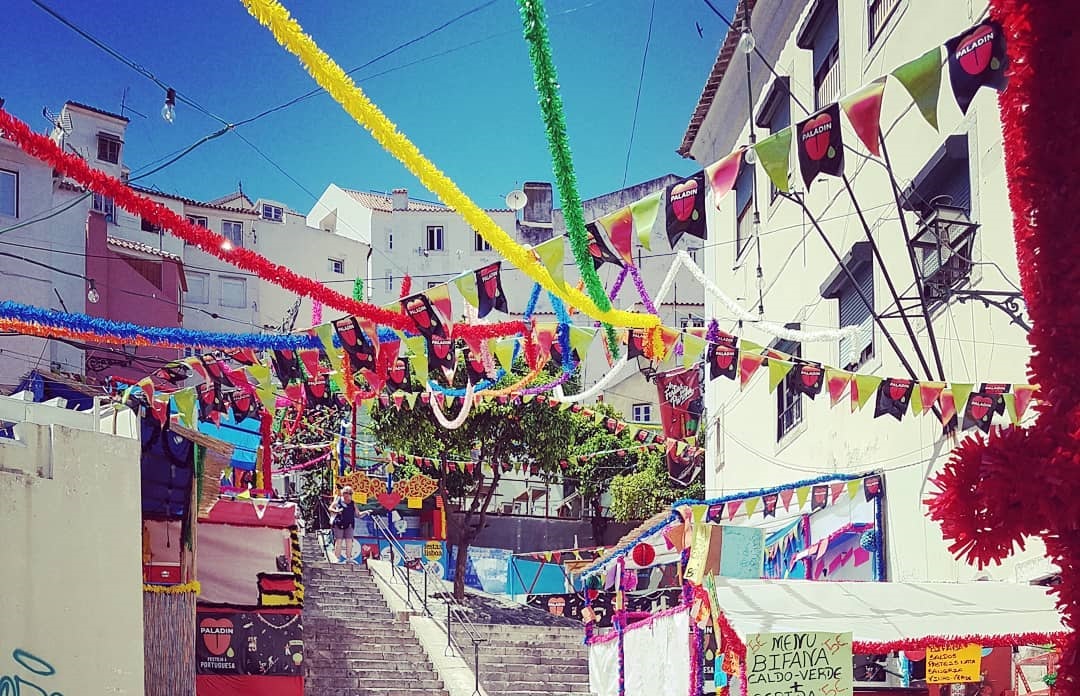

Calendar of the Best Events in Portugal
We suggest you check the dates below with a tour desk, as they can vary greatly from year to year. Sometimes last minute adjustments are made due... -
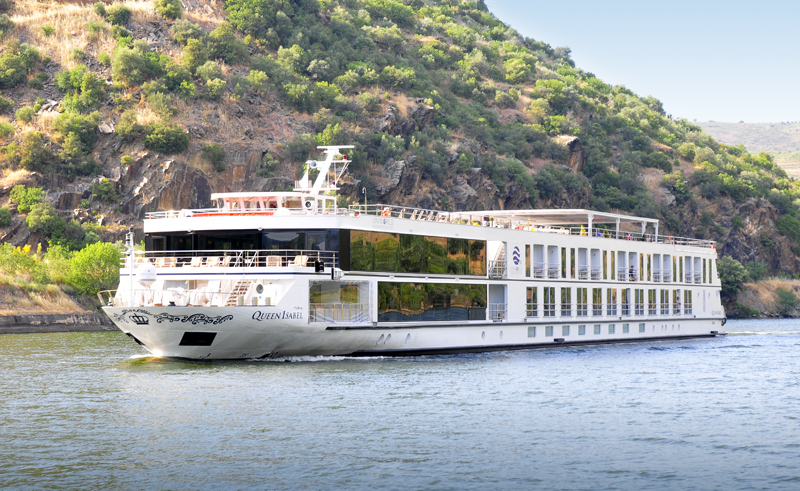
It is the best cruise to sail in the Douro and has 5 stars Portugal Porto
Scenic unveiled its latest and most luxurious Scenic Space-Ship, Scenic Azure, to be launched on the Douro River in Portugal Scenic is the first ... -
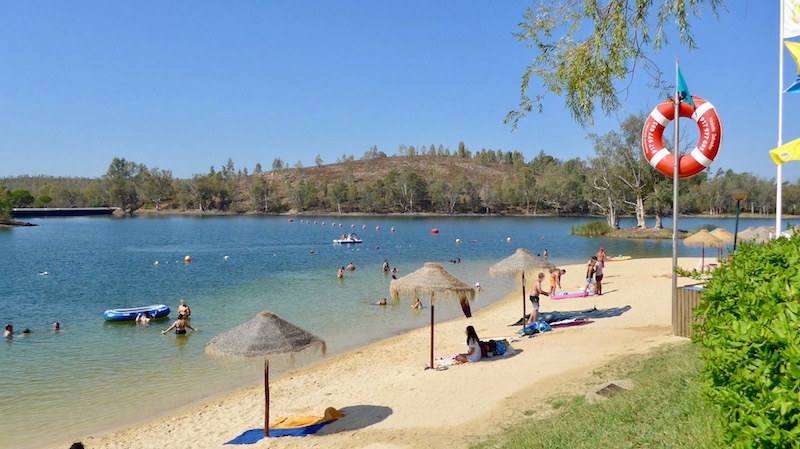
Alentejo River Beach voted the best in Europe Portugal
Tapada Grande River Beach in the São Domingos Mine, Mértola municipality, was elected for the first time the best European destination i... -
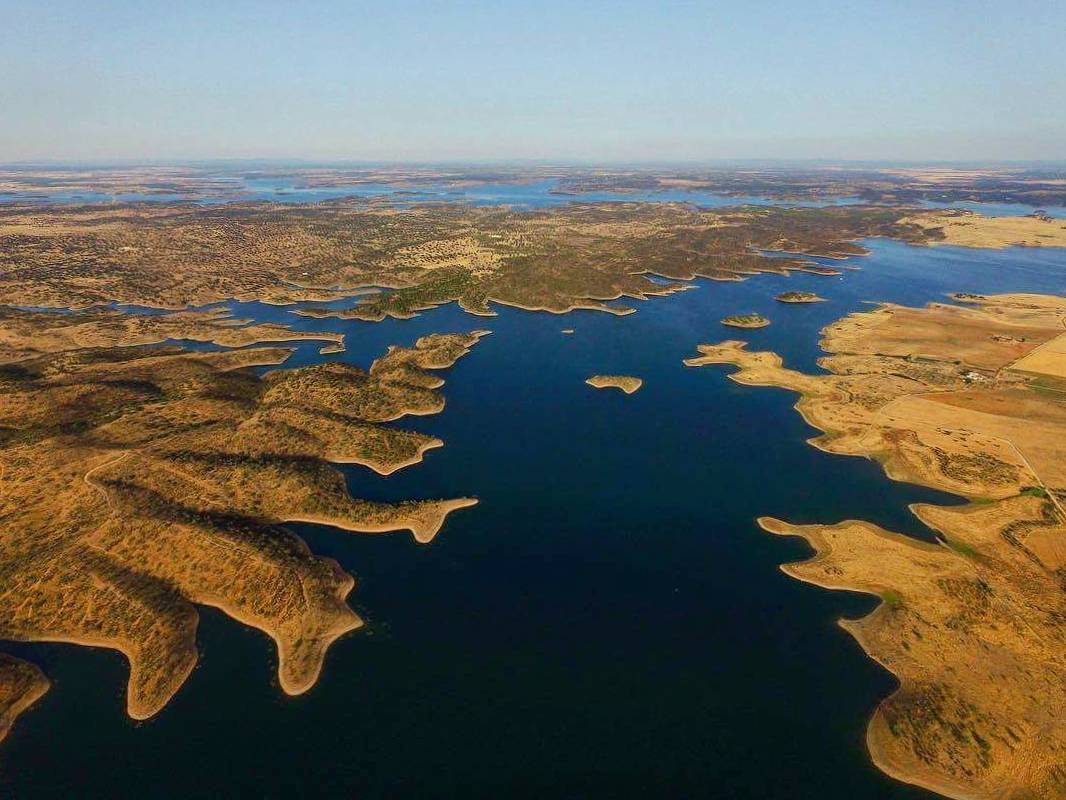
Portugals largest artificial lake in Portugal
It has a 250 square kilometer reservoir, covers five Alentejo municipalities, has many points of interest and stands out all over Europe. Discove... -
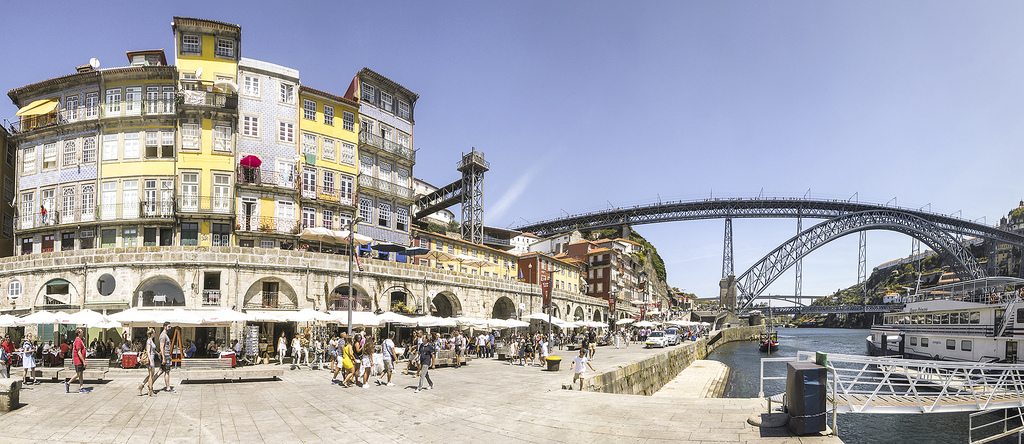
Unforgettable attraction visits Cais da Ribeira in Porto Portugal
The most typical area of the city of Porto is the Ribera pier, located in the lower zone, on the bank of the Douro river. It is a kind of promena... -

18 ways to order coffee in Portugal
Shot down In fact, its just a long coffee with more water, served in a large cup, just like a sock of milk. Coffee, spout or cymbalino It i... -
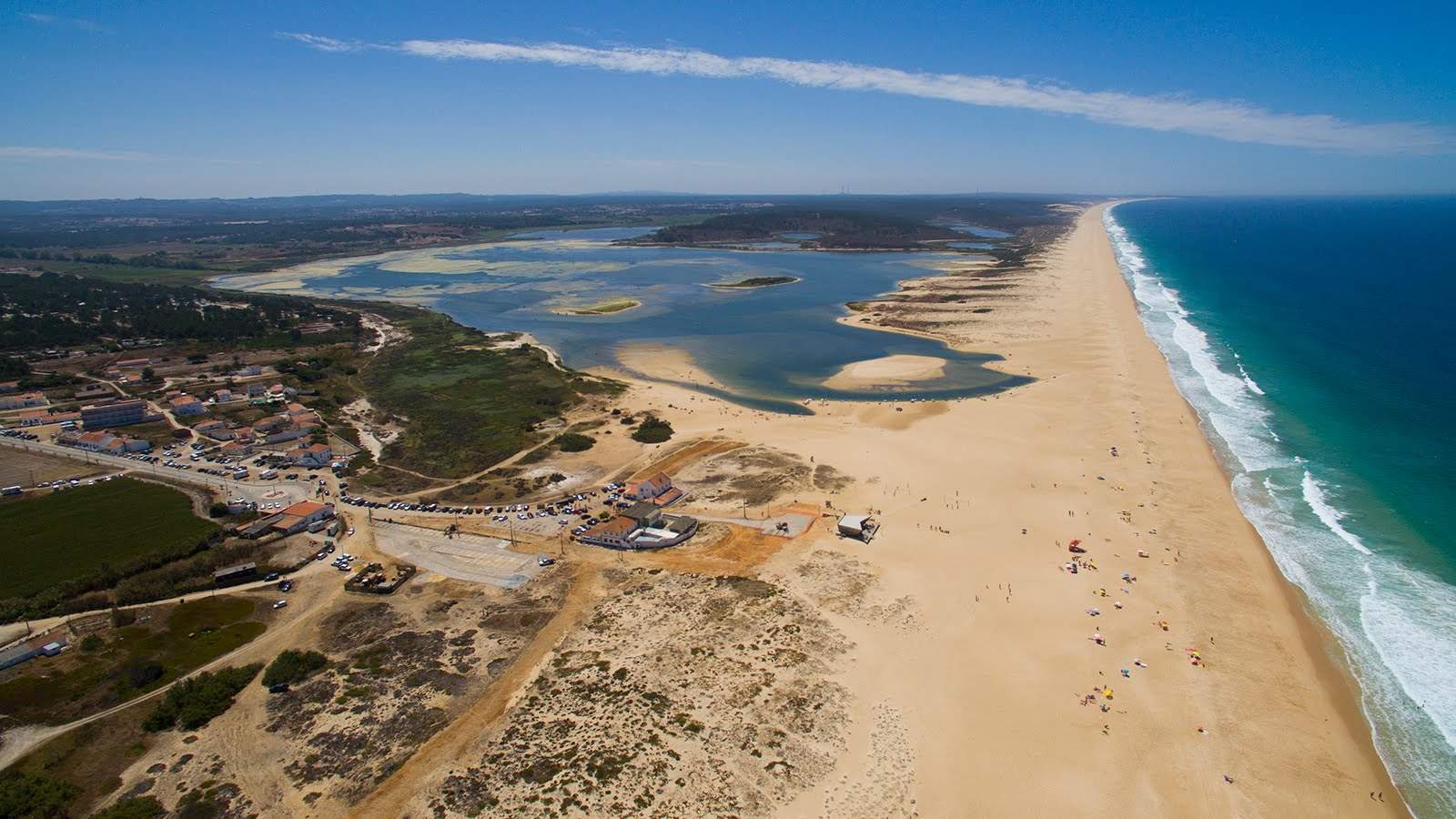
The 25 things on the Alentejo coast Portugal
São cada vez mais os turistas – nacionais e estrangeiros – que rumam ao Alentejo em busca das férias perfeitas. Seja para ap... -
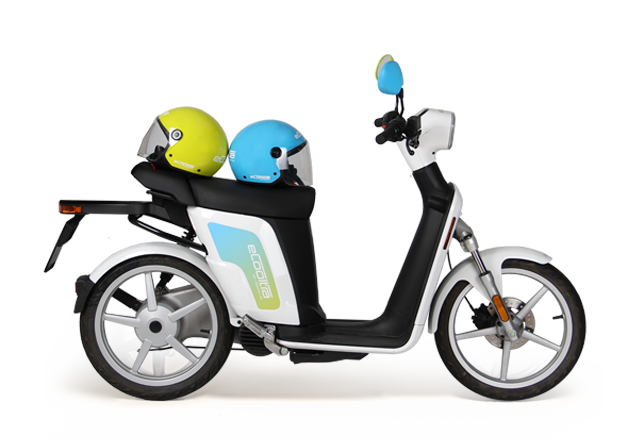
Do we have 30 free minutes for floors on eCooltra Electric Scooters? Lisbon Portugal
Enjoy the city, we have free minutes at ecooltra pays only the minutes you use and leave the rest with us (insurance, battery charged, helmets and mai...